Global Warming and Wildlife Extinction: Unveiling the Harrowing Link
In recent decades, the ominous shadows of global warming and climate change have not only darkened our atmospheric landscapes but have significantly imperiled the biotic fabric of the planet. As scientists and environmentalists grapple with the escalating impacts of climate alterations, a distressingly clear narrative emerges: the intricate link between global warming and wildlife extinction, which challenges the sustainability of biodiversity worldwide. This article seeks to explore that critical connection, unpacking how a warming planet accelerates species extinction and what this means for future conservation efforts.
Understanding Global Warming
What is Global Warming?
Global warming refers to the long-term increase in Earth’s average surface temperature due to human activities, primarily fossil fuel burning, which releases carbon dioxide and other greenhouse gases into the atmosphere. The enhanced greenhouse effect results in warming oceans, melting glaciers, and severe weather patterns, among other changes.
The Intensified Greenhouse Effect
Greenhouse gases naturally keep our planet warm enough to be livable, but their excessive concentration is driving up Earth’s temperature at an unnaturally rapid rate. This accelerated change disrupts the delicate climatic balance that many species depend on for survival.
Impact on Wildlife
Alteration of Habitats
Global warming leads to habitat changes that are too sudden for wildlife to adapt to. For instance, the warming oceans and melting polar ice caps markedly shrink marine and polar habitats. Species such as the polar bear, dependent on sea ice to catch seals, are finding it harder to feed, resulting in declining populations.
Shifts in Migration Patterns and Life Cycles
Numerous species rely on specific temperature cues for migration and breeding. For example, birds that migrate to the Arctic to breed arrive to find that peak insect availability—a key food source—has shifted earlier due to earlier springs, leading to potential reproductive failures.
Causes Behind Increasing Temperatures
Reliance on Fossil Fuels
The primary driver of global warming is the combustion of fossil fuels, which emits copious amounts of carbon dioxide. Despite the growth of renewable energy sources, coal, oil, and gas continue to dominate our energy landscape.
Deforestation
Forests absorb huge amounts of CO2 but extensive deforestation for agriculture and timber disrupts this balance, increasing atmospheric carbon levels and reducing biodiversity, further stifyling species’ ability to adapt.
Consequences for Biodiversity
Extinction Rates Accelerating
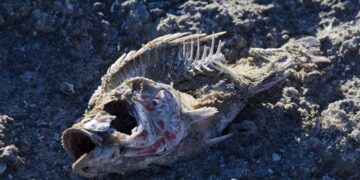
Current extinction rates are estimated to be 1,000 to 10,000 times the natural background rate, largely due to climate-induced disruptions. Amphibians, known for their sensitivity to environmental changes, have particularly high rates of decline.
Loss of Genetic Diversity
As populations dwindle, genetic diversity within species diminishes, reducing their ability to adapt to future environmental changes and increasing the likelihood of extinction.
Solutions and Conservation Efforts
Mitigating Climate Change
To combat the adverse effects of global warming on wildlife, significant global efforts to reduce greenhouse gas emissions are crucial. This involves transitioning to renewable energy, enhancing energy efficiency, and promoting sustainable land use practices.
Wildlife Conservation Strategies
Conservationists are employing strategies like establishing wildlife corridors to connect fragmented habitats and assisting species in relocation to more favorable climates. Protecting critical habitats, particularly breeding and feeding areas, is also essential.
Frequently Asked Questions
How does global warming cause wildlife extinction?
Rapid climate change alters habitats and disrupts existing food webs and reproductive cycles, making survival and adaptation difficult for many species.
Which species are most at risk from global warming?
Species that inhabit specialized niches or have limited range—like the polar bear, coral reefs, and many amphibians—are especially vulnerable to the impacts of climate change.
How can individuals help combat these issues?
Individuals can reduce their carbon footprint by using energy wisely, choosing sustainable products, supporting conservation-focused organizations, and increasing awareness of climate issues.
Conclusion
The link between global warming and wildlife extinction is strong and distressing. As our planet warms, the survival of countless species hangs in the balance. Tackling this issue requires an integrated approach involving policy change, community involvement, and global cooperation. By understanding and addressing the causes of climate change, we collectively work towards a more resilient and diverse natural world.