Harnessing the Power of Nature: The Critical Role of Renewable Energy in Sustainable Development
As the global population continues to rise and natural resources become increasingly scarce, the shift towards sustainable development is not just preferable but essential. Renewable energy sources play a pivotal role in this paradigm shift, offering a sustainable solution to meet our energy needs while mitigating environmental impacts. This article explores the importance of renewable energy in sustainable development, addressing common questions and providing valuable insight into the integration of eco-friendly power sources.
The Urgency for Renewable Energy
The world is at a critical juncture in its energy history. Traditional energy sources such as coal, oil, and natural gas have led to significant environmental issues, including global warming, air pollution, and acid rain. The urgent need for cleaner energy solutions brings renewable energy to the forefront of global initiatives. Harnessing the power of nature through solar power, wind energy, hydroelectric power, and other renewable sources not only decreases carbon footprints but also enhances energy security and independence.
Key Benefits of Renewable Energy
Eco-Friendliness: Renewable energy emits little to no greenhouse gases during operation, making it far better for the environment than conventional energy sources.
Sustainability: Unlike fossil fuels, renewable resources are not finite. The sun will keep shining, the wind will keep blowing, and rivers will keep flowing. Tapping into these continuous sources of energy ensures a perpetual energy supply.
Economic Advantages: Investing in renewable energy technology creates jobs in manufacturing, installation, and more. Furthermore, the decentralization of renewable energy production allows for the economic development of local communities, particularly in rural and isolated areas.
Integrating Renewable Energy into Everyday Life
Adoption of renewable energy isn’t limited to large-scale projects by governments or big corporations. Households and small businesses can significantly contribute by incorporating solar panels, wind turbines, and geothermal heating and cooling systems into their energy solutions. Such integration not only reduces dependence on fossil fuels but also leads to considerable savings on energy bills.
Incorporating Solar Energy
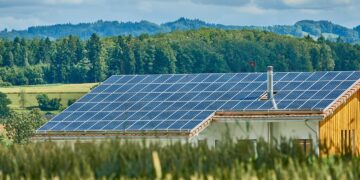
Solar power is one of the most accessible forms of renewable energy. Innovations have made solar panels more efficient and affordable, encouraging wider adoption. Whether for residential, commercial, or agricultural use, solar energy provides a reliable and cost-effective power supply.
Leveraging Wind Power
Wind energy, harnessed through turbines, can significantly offset traditional electricity usage. While wind farms are more common in rural or open areas, small-scale turbines can now be installed in homes or businesses, providing a direct source of clean energy.
Exploring Hydropower
Hydroelectric power, generated by water in motion, serves as a stable and continuous source of electricity. Small hydropower systems can be an excellent renewable option for areas near water sources, contributing both to the local grid and standalone systems.
Challenges and Solutions in Renewable Energy Adoption
Despite the advantages, there are challenges in shifting to renewable energy. Initial installation costs, intermittency issues, and integration with existing infrastructure pose hurdles. However, continuous technological advancements and government incentives are addressing these challenges. Battery storage technologies are improving energy reliability, and policies are increasingly favoring sustainable practices.
The Role of Government and Policy Makers
Effective policies are crucial for the widespread adoption of renewable energy. Incentives like tax rebates, subsidies, and grants encourage both businesses and individuals to choose renewables over traditional energy sources. Furthermore, governments can lead by example, integrating renewables into public buildings and services to demonstrate the practicality and benefits of these systems.
Global Impact and Future Prospects
Renewable energy has the potential to significantly impact global energy politics by reducing the reliance on imported fuels. Countries abundant in renewables are positioned to increase their geopolitical influence by becoming net energy exporters. Looking ahead, as technology advances and costs decrease, renewable energy sources are set to become even more integral to our global energy consumption, steadily replacing legacy systems and offering a cleaner, more sustainable future.
Conclusion
Renewable energy is no longer just an alternative but a necessary evolution in our energy consumption’s environmental, economic, and social dimensions. The transition to sustainable energy sources like wind, solar, and hydro serves a dual purpose: it addresses the urgent need for environmental preservation while promoting economic growth through new technologies and job opportunities. By harnessing the power of nature, humanity can sustain its energy needs and ensure a greener, more prosperous future.
By prioritizing renewable energy, societies around the world are not only protecting the environment but are also building resilient energy systems that can withstand the challenges of the future and foster sustainable growth. The critical role of renewable energy in sustainable development is undeniable and increasingly important as we progress into the future.
Thank you for reading about the potential of renewable energy in sustainable development. For more insights on environmental sustainability, keep following our articles.