Climate Change 101: A Beginner’s Guide to Earth’s Biggest Challenge
Climate change stands as one of the most significant global challenges facing humanity today. With rising temperatures, shifting weather patterns, and increasing more frequent natural disasters, it’s imperative that we understand the basics of this complex issue to effectively address its consequences.
Understanding Climate Change
Climate change refers to the long-term alteration in average weather patterns, both locally and globally. Over the last century, global temperatures have seen an unprecedented rise, largely due to human activities such as deforestation, and the burning of fossil fuels, which increase concentrations of greenhouse gases in Earth’s atmosphere. These gases include carbon dioxide, methane, and nitrous oxide, all of which trap heat near the Earth’s surface and lead to the greenhouse effect.
The Greenhouse Effect
The greenhouse effect is a natural process essential for life on Earth. However, human activities have intensified this effect, causing more heat retention than the natural environment can manage, leading to global warming and climate change.
Impacts of Climate Change
Climate change is not a distant problem; it’s a current crisis affecting every continent on the planet. Here are several areas where its impacts are profoundly felt:
Weather Patterns
- Extreme Weather: Increased temperatures can lead to more intense and frequent heatwaves, hurricanes, and rainfall, creating severe weather conditions worldwide.
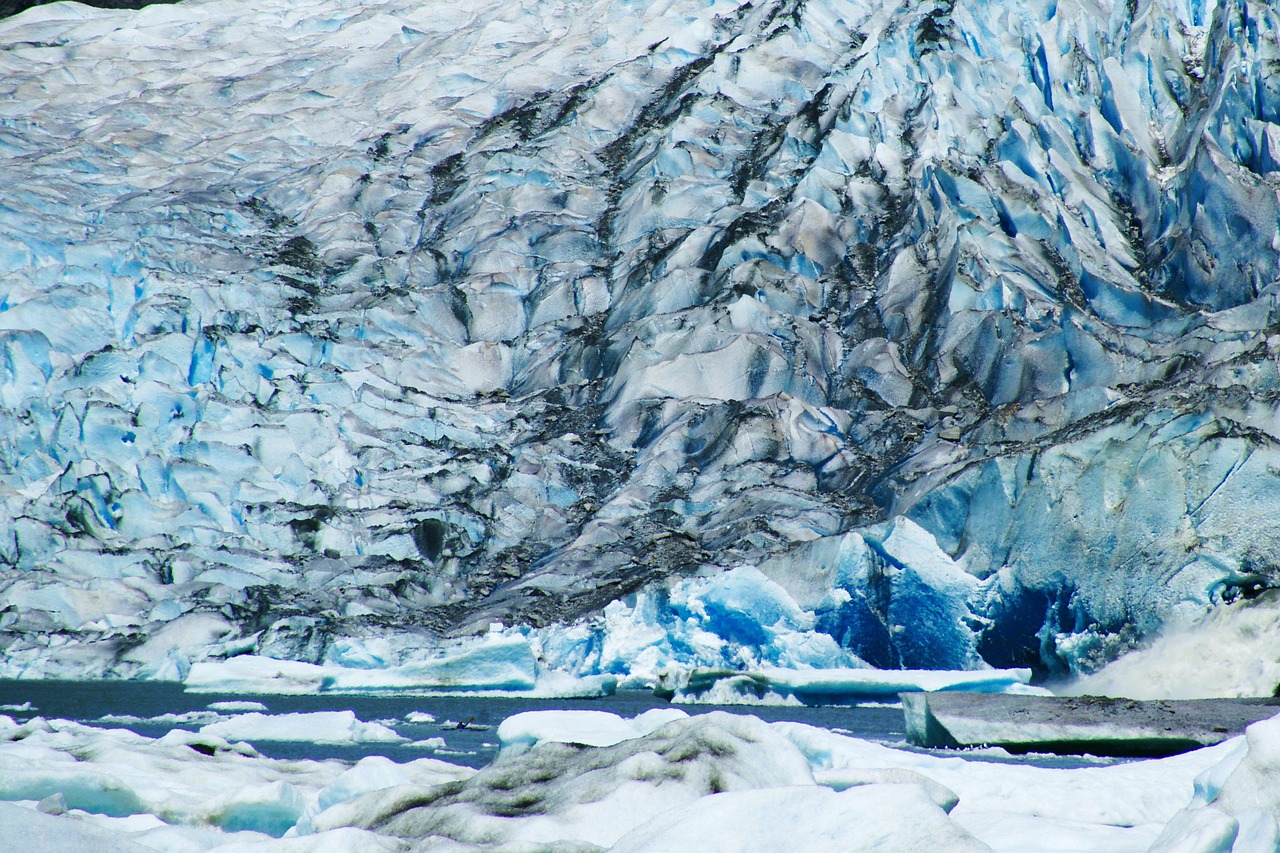
- Ice Melting: Polar ice caps and glaciers are melting at alarming rates, contributing to sea-level rise and impacting marine ecosystems.
- Droughts and Wildfires: Higher temperatures and evaporating moisture are causing longer droughts and more catastrophic wildfires.
Ecosystems and Wildlife
Warmer temperatures and changing landscapes directly impact plant and animal species, altering habitats and threatening biodiversity. Some species are forced to migrate to cooler areas, risking extinction in some cases.
Human Health
Climate change also poses serious risks to human health by exacerbating air pollution, fostering the spread of diseases, and increasing the frequency of heat-related illnesses.
What Is Causing Climate Change?
The primary driver of recent climate change is human activity, particularly the emission of greenhouse gases from burning fossil fuels like coal, oil, and natural gas. Deforestation and agricultural practices also contribute significantly by altering the Earth’s landscapes and releasing vast amounts of carbon dioxide.
Fossil Fuels
Fossil fuels are the leading source of greenhouse gases and are used primarily for electricity and heat, industrial processes, and transportation. Reducing dependency on fossil fuels is critical for mitigating climate change.
Addressing Climate Change
Combating climate change requires coordinated global action and robust policy frameworks. Here are key strategies to address climate change:
International Agreements
Agreements like the Paris Agreement bring together nations to commit to carbon reduction targets and foster global collaboration to combat climate change.
Renewable Energy
Investing in renewable energy sources such as wind, solar, and hydroelectric systems is crucial. These technologies produce little to no greenhouse gases and are essential to a sustainable future.
Energy Efficiency
Improving energy efficiency in homes, buildings, and transportation can drastically reduce greenhouse gas emissions and conserve resources.
Reforestation and Conservation
Forests absorb carbon dioxide, making reforestation and forest conservation vital actions for carbon sequestration and biodiversity preservation.
How Can You Help?
Individual actions matter when it comes to climate change. You can contribute by:
- Reducing Waste: Recycle and compost to reduce your carbon footprint.
- Conserving Energy: Turn off lights and appliances when not in use, and consider high-efficiency appliances.
- Supporting Sustainable Practices: Choose products from companies committed to reducing carbon emissions and conserving the environment.
- Educating Others: Share information about climate change to spread awareness and foster action.
Final Thoughts
Understanding and addressing climate change is critical for ensuring a sustainable and equitable future for all life on Earth. By embracing education, making informed choices, and advocating for strong policies and practices, individuals and communities can make a significant impact. The challenge is vast but, with collective action, not insurmountable.
Climate change is our reality, but it also is our opportunity to create a brighter, greener future through innovation, collaboration, and persistent effort.