Understanding Climate Change Amplification
Climate change is not just a simple linear process; certain mechanisms and feedback loops can significantly amplify its effects. This phenomenon, known as Climate Change Amplification, raises serious concerns about the pace at which our planet is warming and the subsequent effects on ecosystems and human populations. This article delves into the causes, effects, and potential solutions to climate change amplification, offering valuable insights to both laypersons and policymakers.
Causes of Climate Change Amplification
The primary drivers of climate change, including increased CO2 emissions and deforestation, are well-known. However, less discussed are the natural processes and feedback mechanisms that can significantly magnify these effects:
- Ice-Albedo Feedback: As global temperatures rise, ice caps and glaciers melt, reducing the Earth’s albedo (reflectivity). Darker ocean and land surfaces absorb more solar energy, leading to further warming.
- Permafrost Thaw: Warming temperatures can thaw permafrost, releasing methane – a potent greenhouse gas – into the atmosphere, which further accelerates global warming.
- Water Vapor Feedback: Warmer temperatures increase evaporation rates, and because water vapor itself is a greenhouse gas, this can lead to even more warming.
Understanding these amplification processes is crucial for developing accurate models of future climate behavior and for implementing effective mitigation strategies.
Effects of Climate Change Amplification
Climate Change Amplification has complex and far-reaching effects on the environment and human societies. Some of the most critical include:
- Extreme Weather Events: Amplified climate change contributes to more frequent and severe weather events such as hurricanes, droughts, and floods.
- Sea Level Rise: Accelerated melting of ice caps leads to higher sea levels, threatening coastal communities with increased flooding and erosion.
- Ecosystem Disruptions: Rapid climate shifts can outpace the ability of many species to adapt, leading to reduced biodiversity and the collapse of ecosystems.
These effects not only signify environmental degradation but also pose risks to agriculture, water resources, and human health, necessitating urgent and comprehensive action.
Global Responses and Solutions
Addressing the amplification of climate change requires both local actions and global cooperation. Here’s how different sectors are responding:
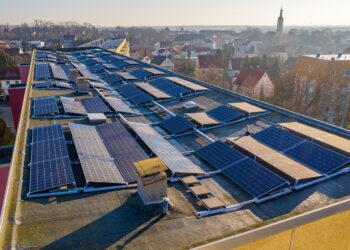
- Renewable Energy Adoption: Shifting from fossil fuels to renewable energy sources like solar, wind, and hydroelectric power helps reduce greenhouse gas emissions and their associated amplification effects.
- Climate Resilience Building: Communities are building resilience through infrastructure improvements and adaptive measures to withstand extreme weather events.
- Policy and Advocacy: Governmental policies play a critical role in regulating emissions and promoting sustainable practices. International agreements like the Paris Accord aim to unite global efforts against climate change.
Moreover, continuous research and innovation in climate science are essential for developing new strategies for mitigation and adaptation.
Empowering Communities and Individuals
While macro-level strategies are crucial, individual actions and community initiatives also play a significant role in tackling climate change amplification:
- Educational Programs: Increasing awareness and understanding of climate science is crucial for empowering individuals to make informed decisions.
- Green Living Choices: Simple lifestyle changes, such as reducing waste, conserving water, and supporting sustainable products, can collectively make a significant impact.
- Community-Based Projects: Local projects, such as tree planting or community gardens, can help sequester carbon and enhance local biodiversity.
Every action counts, and collective efforts can significantly curb the trajectory of climate change amplification.
Conclusion
Climate Change Amplification is a critical aspect of global warming that deserves more attention. By understanding its causes and effects, we can better prepare and implement effective solutions. From international agreements to individual choices, every effort contributes to a more sustainable and resilient planet. As we continue to face the challenges of climate change, it is imperative that we act with urgency and commitment to mitigate these amplified effects.
Addressing climate change is not just about avoiding the catastrophic scenarios but also about ensuring a healthy, vibrant planet for future generations. Let’s work together to tackle this monumental challenge.