Global Warming and Biodiversity Crisis: How Rising Temperatures Threaten Wildlife Survival
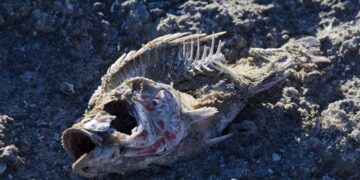
The impacts of global warming are far-reaching and multifaceted, affecting not just human life but also the myriad species that share the planet with us. As temperatures across the globe continue to rise, due to an increase in greenhouse gases like carbon dioxide and methane, the very survival of numerous wildlife species is at stake. This phenomenon not only exacerbates the biodiversity crisis but signals a critical warning that necessitates urgent action.
Understanding the Link Between Climate Change and Biodiversity
At the core, biodiversity encompasses the variety of life at all levels, including the genetic species and ecosystem variety in an environment. Research suggests a direct correlation between climate change and biodiversity degradation. As global temperatures rise, ecosystems—many of which are fragile and unable to adapt quickly—are undergoing rapid destabilization, leading to adverse effects on the species that inhabit them.
Key Effects of Rising Temperatures on Wildlife
Climate change introduces several critical threats to wildlife, which include:
- Alteration of Habitats: Increased temperatures can alter the makeup of natural habitats, making them inhospitable for the species that currently inhabit them.
- Forced Migration: As habitats become less viable, species are compelled to migrate to cooler areas, leading to overcrowding, or worse, extinction if no suitable habitats are available.
- Food Supply Disruption: Changes in temperature impact the availability and distribution of food resources, affecting feeding patterns and reproductive cycles of wildlife.
- Increase in Disease: Warmer climates can encourage the proliferation of diseases and pests that are deadly to plants and animals.
Case Studies: Wildlife at Risk
The polar regions and coral reefs are stark examples of ecosystems that are being heavily impacted by climate change:
Polar Regions
In polar regions, rapidly melting ice caps and glaciers due to warmer temperatures jeopardize the survival of species such as the polar bear and emperor penguin, whose breeding grounds and food sources are rooted in these ice-packed environments.
Coral Reefs
Similarly, coral reefs suffer from higher water temperatures, leading to coral bleaching—a phenomenon that deteriorates reef ecosystems and affects the diverse marine life that depend on them.
Strategies to Mitigate Climate Change Impacts on Wildlife
Combatting the adverse effects of global warming on biodiversity involves multifaceted strategies:
- Ecosystem Restoration: Active restoration of degraded habitats can provide refuge and breeding grounds for wildlife, promoting biodiversity.
- Conservation Policies: Adopting strong conservation policies and targeted protection measures can help preserve endangered species.
- Climate Action: Reducing greenhouse gas emissions through cleaner energy sources and better resource management is crucial in slowing global warming rates.
- Public Awareness and Education: Raising awareness about the impacts of climate change on biodiversity can drive collective action and support for conservation initiatives.
Common Questions About Global Warming and Wildlife
How Does Global Warming Affect Animals?
Global warming leads to habitat destruction, altered seasonal cycles, reduced food availability, and increased susceptibility to diseases, all of which threaten animal survival.
Which Animals Are Most at Risk from Climate Change?
Species like polar bears, coral reef dwellers, amphibians, and migratory birds face the highest risks due to their dependence on specific climatic conditions.
Can Wildlife Adapt to Rising Temperatures?
While some species can adapt over time, the rapid pace of climate change makes it difficult for many species to adjust adequately, leading to reduced populations and potential extinction.
Conclusion
The link between global warming and biodiversity loss is undeniable and alarming. As Earth’s temperatures continue to rise, the need for concerted global efforts to protect our natural habitats and the wildlife that depend on them becomes increasingly crucial. By understanding and addressing the multifaceted challenges of climate change, we can work towards safeguarding our planet’s biodiversity for future generations.