Green Energy Essentials: A Beginner’s Guide to Sustainable Solutions
As the world increasingly pivots towards sustainability, the importance of green energy as a viable alternative to fossil fuels has never been more prominent. Green energy offers numerous benefits, including reducing carbon footprints and promoting energy security. This comprehensive guide delves deep into the basics of green energy, illuminating the path for individuals keen on understanding and perhaps adopting these sustainable solutions.
Understanding Green Energy
At its core, green energy involves energy production methods that are significantly less harmful to the environment than traditional energy sources like coal and natural gas. Key types of green energy include solar, wind, hydroelectric, and geothermal energy, all of which produce little to no pollution or greenhouse gases.
Types of Green Energy
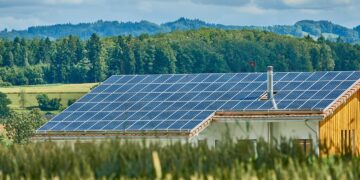
- Solar Power: Utilizes solar panels to convert sunlight into electricity.
- Wind Energy: Harnesses the power of wind through turbines to generate electricity.
- Hydroelectric Power: Uses the flow of water from rivers or dams to produce electrical energy.
- Geothermal Energy: Generates electricity by tapping into the heat stored underneath the Earth’s surface.
Each type of green energy has its benefits and challenges, but the common thread is their contribution to combating climate change.
Benefits of Green Energy
Switching to green energy sources can yield multifaceted benefits, not only for the environment but also for the economy and individual energy security.
- Environmental Impact: Reduces the emission of greenhouse gases and pollutants, helping in the fight against global climate change and air pollution.
- Economic Benefits: Creates jobs in green technologies and local energy projects, contributing to economic growth and stability.
- Energy Security: Decreases dependence on imported fuels, thus enhancing national energy security.
Understanding these advantages helps underline the importance of transitioning towards more sustainable energy practices.
How To Get Started with Green Energy
Embracing green energy involves several practical steps that can be tailored according to individual or community needs. Here are essential strategies to consider:
Energy Assessment
An initial step in transitioning to green energy is performing an energy assessment or audit of your home or business. This assessment will help identify the most effective ways to reduce energy consumption and increase efficiency.
Choosing the Right Technology
Deciding on which green technology to invest in depends largely on geographical and climatic factors. Solar panels, for instance, are more suitable in areas with high levels of sunlight, while wind turbines are ideal for places with consistent wind.
Financing Green Energy Projects
Investing in green energy can require significant upfront costs. Fortunately, many governments and private institutions offer grants, loans, or tax rebates to incentivize the adoption of green technologies. Educate yourself about local incentives available in your region.
Integration and Upgrading
Integrate green solutions by starting small—perhaps with solar panels or a residential wind turbine—and gradually scale up. It’s also crucial to upgrade insulation and appliances to improve energy efficiency.
Common Questions About Green Energy
Transitioning to green energy raises numerous questions, particularly for beginners. Here’s a rundown of some frequently asked questions:
Is Green Energy Reliable?
Yes, green energy is reliable. Advances in technology have significantly improved the efficiency and reliability of renewable energy sources. Additionally, modern energy-storage solutions mean that even intermittent sources like solar and wind can provide electricity steadily.
What Are the Costs Associated with Green Energy?
The initial installation of green energy systems often represents the most significant cost. However, the reduction in energy bills and the long-term savings often offset this initial investment.
Can I Completely Replace My Current Energy Source with Green Energy?
While complete replacement is possible, it often requires a combination of different green energy sources and energy efficiency measures. For many, a gradual transition might be more feasible.
Conclusion
Embarking on a green energy journey not only contributes to environmental conservation but also offers substantial benefits in terms of economy and energy security. With the rising availability of technologies and supportive policies, now is an opportune time to consider green energy solutions. Whether you’re a homeowner looking to cut costs, a business aiming to reduce carbon emissions, or a community striving for energy independence, green energy holds the key to a sustainable future.
Start your journey today by evaluating your energy needs, exploring suitable green technologies, and taking advantage of available incentives to embark on an eco-friendly path that promises long-term benefits.