Harnessing Nature’s Power: The Bright Future of Renewable Energy
In the quest for sustainable energy solutions, renewable energy stands out as a beacon of hope and innovation. As we forge a path towards a cleaner, greener planet, the role of renewable resources such as solar, wind, and hydro becomes increasingly crucial. This article explores the bright future of renewable energy, delving into its benefits, technological advancements, and its potential to reshape our energy landscape.
Understanding Renewable Energy
Renewable energy refers to power generated from natural sources that are continuously replenished. These include sunlight, wind, rain, tides, and geothermal heat. Unlike fossil fuels, these resources offer a limitless supply of energy, reducing our dependence on non-renewable resources and minimizing environmental impact.
The Current State of Renewable Energy
Global investment in renewable energy has seen exponential growth over the past decade. Technologies that were once considered niche are now mainstream, driven by both governmental policies and consumer demand for cleaner energy options. Solar and wind energy, in particular, have witnessed significant advancements, with costs plummeting and efficiency increasing dramatically.
The Rise of Solar Power
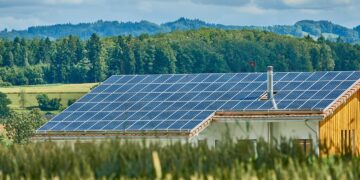
Solar power has transformed from a costly alternative to a competitive, dependable energy source. Innovations in photovoltaic (PV) technologies have led to higher energy conversion efficiency and longer-lasting equipment. Residential and commercial solar installations are on the rise, proving that solar energy is not only viable but also beneficial for reducing electricity costs and carbon footprints.
Advancements in Wind Energy
Wind energy has also seen remarkable technological progress. Modern wind turbines are more potent, reliable, and efficient than ever before. The development of offshore wind farms, capable of generating immense amounts of power, marks a significant advancement in this sector. These farms harness stronger and more consistent winds available offshore and contribute significantly to national energy grids.
Benefits of Renewable Energy
The shift to renewable energy sources offers extensive economic, environmental, and social benefits. Economically, it drives job creation in new sectors, from manufacturing to installation and maintenance of renewable energy systems. Environmentally, it alleviates the pressure on finite natural resources and cuts back on pollution, playing a crucial role in combating climate change. Socially, renewable energy can provide energy security and independence, particularly for remote or impoverished communities.
Economic Impact
Renewable energy sectors are labor-intensive, meaning they create more jobs per unit of electricity generated than fossil fuels. These jobs range from high-tech positions in engineering to roles in construction and panel installation. Economic incentives and declining costs also make renewables an increasingly attractive investment compared to traditional energy sources.
Environmental Advantages
Perhaps the most compelling argument for renewable energy is its ability to reduce greenhouse gas emissions. By harnessing the power of nature, we significantly lower the amount of carbon dioxide and other harmful pollutants released into the atmosphere, thus mitigating global warming and reducing air pollution.
Addressing Common Questions About Renewable Energy
Despite the apparent benefits, many still have questions about the viability and reliability of renewable energy. Addressing these concerns is crucial for wider acceptance and implementation.
Is Renewable Energy Reliable?
Renewables have made significant strides in reliability. Energy storage technologies, such as batteries, are evolving rapidly, ensuring that power generated by solar and wind can be stored for use during periods without sunlight or wind. Smart grid technologies also help manage energy flows more efficiently, improving the overall reliability of renewable energy sources.
What Is the Cost of Transitioning to Renewable Energy?
The initial investment in renewable energy can be higher than conventional energy sources. However, the long-term savings on energy costs and the declining prices of wind and solar technologies make it a cost-effective option over time. Furthermore, many governments offer subsidies and incentives to reduce the economic burden on those adopting renewable energy solutions.
The Future Landscape of Renewable Energy
Looking forward, the renewable energy sector is poised for even greater expansion. Continued technological advancements, coupled with more favorable government policies, predict a future where renewable energy could dominate global energy consumption. This transition not only promises a sustainable energy future but also a revitalization of economies and a substantive response to the global climate crisis.
Technological Innovations
Emerging technologies promise to make renewable energy even more efficient and widespread. For instance, floating solar panels maximize the use of surface area on reservoirs and lakes, and enhanced geothermal systems could enable us to harness the Earth’s heat more effectively than ever before.
Policy and Consumer Engagement
For renewable energy to achieve its full potential, both policy interventions and consumer engagement are essential. Enhanced government incentives, coupled with increased public awareness and education on the benefits of renewable energy, will accelerate the transition to a sustainable energy future.
In conclusion, the future of renewable energy is not just promising; it is essential for our sustainable development. With continuous advancements and increased understanding, the widespread adoption of renewable energy is within reach, offering a brighter, cleaner future for generations to come.