Revolutionizing the Urban Landscape: The Rise of Green Buildings
In recent years, the concept of ‘green buildings’ has gained tremendous momentum, driven by a global consciousness towards sustainability and environmental conservation. As urban areas expand and the world confronts the reality of climate change and resource depletion, sustainable construction is no longer an option but a necessity. This article explores how green buildings are reshaping the urban landscape, the benefits they bring, and answers some common questions about their implementation.
What are Green Buildings?
Green buildings, fundamentally, are constructions designed to reduce the overall impact of the built environment on human health and the natural environment. This is achieved through the efficient use of energy, water, and other resources, protecting occupant health and improving employee productivity, reducing waste, pollution, and environmental degradation.
The Growing Popularity of Green Buildings
The rise in the popularity of green buildings is due to a variety of factors. Heightened environmental awareness, governmental incentives, and the economic benefits of operating such buildings play a crucial role. Furthermore, as technologies improve and become more cost-effective, the feasibility of constructing green buildings improves, making them a compelling choice for new constructions and retrofits alike.
Technological Innovations Driving Green Architecture
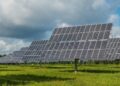
Advancements in technology have critically supported the green building industry. Innovations such as photovoltaic cells, rainwater harvesting systems, green roofs, and smart energy management systems have become more sophisticated and budget-friendly. These technologies help buildings to operate more efficiently and reduce their environmental footprint, making them a popular choice among architects, developers, and property owners.
Benefits of Green Buildings
The advantages of green buildings extend beyond environmental impact. They also offer significant economic and social benefits.
Economic Benefits
Initially, green buildings may cost more to construct than conventional buildings, but they pay off in the long run. Energy-efficient designs and technologies reduce utility costs dramatically. Additionally, green buildings tend to have higher property values and attract tenants more easily due to their modern amenities and lower operating costs.
Environmental Benefits
Environmentally, green buildings reduce waste, conserve natural resources, and diminish the harmful emissions associated with traditional building methods and materials. By optimizing resource use, these buildings minimize their carbon footprint, helping cities to mitigate the effects of urbanization on climate change.
Social Benefits
Green buildings also enhance the quality of life for occupants. They use non-toxic materials, maximize natural light, and improve air quality, which can significantly boost health and comfort. This fosters a healthier, more productive living and working environment.
Implementing Green Building Strategies
Making the shift towards green buildings involves several key strategies. These include integrated design approaches, strict adherence to building standards like LEED (Leadership in Energy and Environmental Design), and ongoing monitoring and maintenance of building performance.
Challenges in Adoption
Despite their benefits, the transition to green buildings faces challenges. High upfront costs, resistance to change, and a lack of awareness can hinder adoption. However, education and evidence-based policies can help overcome these barriers.
Case Studies: Successful Green Building Projects
Examples abound worldwide where green building projects have made a significant impact. The Edge in Amsterdam, for instance, is often cited as one of the greenest buildings globally, famed for its ultra-modern, energy-efficient design and employee-friendly spaces. Another example is the Bullitt Center in Seattle, which has achieved the impressive feat of being net energy positive.
FAQs about Green Buildings
- Are green buildings more expensive? While initial costs can be higher, green buildings often lead to savings in energy, water bills, and maintenance costs.
- What is a LEED certification? LEED (Leadership in Energy and Environmental Design) is a globally recognized certification system that provides a framework for healthy, highly efficient, and cost-saving green buildings.
- Can existing buildings be converted into green buildings? Yes, many older buildings can be retrofitted with green technologies to improve their efficiency and sustainability.
Conclusion: The Future is Green
The trend toward green buildings represents a crucial evolution in the architectural and construction industries. As resources become scarcer and environmental concerns grow, the movement toward sustainable building practices is expected to accelerate, transforming our urban landscapes. By embracing green buildings, cities around the world are not only contributing to the planet’s health but also improving the quality of life for their inhabitants. Indeed, the future of construction is unmistakably green.