

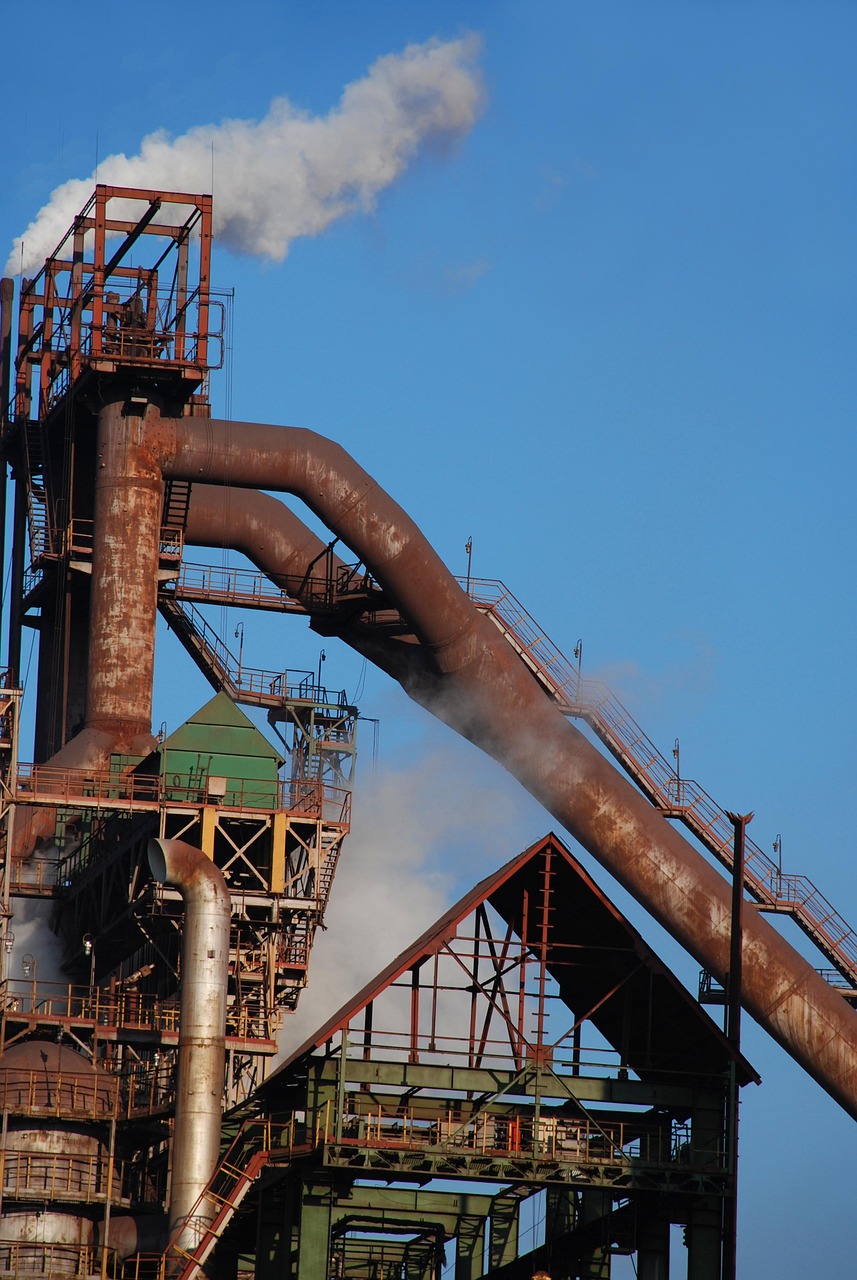
The Silent Impact of Air Pollution on Global Ecosystems
Air pollution, often regarded as an urban human health issue, casts a much wider net, deeply affecting the planet’s ecosystems in ways that are silent but deadly. From the dense green canopies of tropical forests to the lush depths of our oceans, the pervasive reach of air pollutants disrupts plant and animal life, complicating existing environmental challenges. This 1000-word article dives into the impact of air pollution on global ecosystems, exploring common pollutants and their effects, and discussing strategies to mitigate this invisible threat.
Understanding Air Pollution and Its Key Contaminants
Air pollution includes substances that can harm living organisms or destabilize natural processes. Key pollutants like ground-level ozone, sulfur dioxide, nitrogen oxides, and particulate matter are not just urban phenomena but pervasive environmental threats. Each of these contaminants has a unique pathway through which it disrupts ecosystem balance.
- Ground-level Ozone (O3): Often formed when vehicle emissions and industrial fumes react with sunlight, harming vegetation and reducing growth rates.
- Sulfur Dioxide (SO2): Emitted from burning fossil fuels and volcanic activities, it can lead to acid rain, which drastically alters soil and water pH levels.
- Nitrogen Oxides (NOx): These gases contribute to ground-level ozone formation and eutrophication in water bodies, leading to decreased oxygen levels which affect aquatic life.
- Particulate Matter (PM): These tiny particles can cover the surfaces of plants, impairing photosynthesis, and permeate aquatic environments, disrupting marine ecosystems.
Each of these components of air pollution contributes not only to environmental degradation but also exacerbates the global biodiversity crisis.
Impacts of Air Pollution on Terrestrial Ecosystems
On land, air pollution stunts plant growth, alters soil composition, and weakens the ability of ecosystems to function effectively. Forests around the world, particularly those in areas downwind of industrial sites, often bear the brunt of this impact. Acid rain, a byproduct of sulfur dioxide and nitrogen oxides, damages leaves and leaches essential nutrients from the soil. Ground-level ozone exacerbates this issue by damaging plant cells, leading to diminished growth and reduced resilience against diseases and harsh weather.
Air pollutants also have chronic effects on wildlife, particularly through the food chain. As plants absorb pollutants, these compounds can accumulate in tissues, transferring to herbivores and subsequent predators, leading to poisoning, decreased fertility, and decline in population viability.
Impact on Aquatic Ecosystems
In waters, the impact of air pollution is equally profound but less visibly apparent. Nitrogen oxides contributing to eutrophication is one of the major concerns. This process fuels an excessive growth of algae, which blocks sunlight and depletes oxygen in water, suffocating marine life and creating dead zones where most aquatic species cannot survive.
Heavy metals and other particulates emitted by industries can also settle on water surfaces, eventually sinking and integrating into the aquatic food web. This accumulation can lead to toxic conditions for water-dwelling creatures and can affect the purity of the water, impacting species reliant on these bodies for hydration and habitat.
Addressing Air Pollution: Strategies and Solutions
Combatting the effects of air pollution on ecosystems requires a multipronged approach. At the government and international levels, stricter regulations on emissions, investments in renewable energy, and rigorous environmental monitoring are essential. Effective policies that focus on reducing emissions from the most prominent sources, such as transportation and industry, are crucial.
On a local scale, conservation efforts can help, such as planting trees that absorb pollutants and restoring wetlands which can help buffer sensitive water regions from pollutants. Public awareness and community action can also drive significant change, pushing for cleaner transportation options and supporting local and national clean air initiatives.
Common Questions About Air Pollution and Ecosystems
- How does air pollution affect global biodiversity?
Air pollution can alter the natural habitat and food sources of many species, leading to decreased biodiversity. Contaminants accumulate in the food chain, leading to genetic mutations and extinctions. - What are dead zones?
Dead zones are areas in water bodies where oxygen levels are so low that most marine life cannot survive, frequently caused by eutrophication fueled by air pollution. - Can improving air quality aid in climate change mitigation?
Yes, reducing pollutants like carbon dioxide and methane directly impacts climate change, leading to a more stable global climate and healthier ecosystems.
Conclusion: Breaking the Cycle of Pollution
The silent impact of air pollution on global ecosystems is alarming and highlights an urgent need for comprehensive strategies to reduce emissions. Enhanced regulatory mechanisms, continued scientific research, and heightened public awareness are fundamental to mitigate this pervasive issue. As stewards of the planet, it is imperative to recognize that protecting air quality is not only about human health but is equally crucial for the health of our ecosystems.
Only a holistic approach involving coordinated global action against air pollution can ensure a resilient, sustainable future for our planet’s diverse ecosystems and wildlife.


