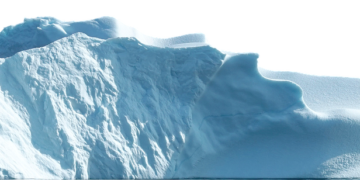
Vanishing Species: Tracing the Alarming Evidence of Global Warming
As the planet continues to warm at an unprecedented rate, the devastating impacts on biodiversity are becoming impossible to ignore. The alarming acceleration in the number of species facing extinction paints a dire picture of our ecological future. In this detailed exploration, we delve into the evidence linking global warming to the decline of biodiversity and scrutinize how rising temperatures are reshaping life on Earth.
The Link between Global Warming and Species Extinction
Global warming, primarily driven by human activities such as deforestation and the burning of fossil fuels, has led to significant changes in the Earth’s climate system. This warming trend impacts habitats globally, leading to perilous conditions for many species. The intricate balance of ecosystems, finely tuned to stable climate conditions, is being disrupted, creating an inhospitable environment for species that cannot adapt quickly enough.
Evidence from Marine Ecosystems
In marine ecosystems, global warming manifests through increased water temperatures and ocean acidification. Coral reefs, often known as the “rainforests of the sea,” are particularly vulnerable. The bleaching events, predominantly caused by elevated sea temperatures, have drastically reduced their biodiversity. Species that depend on coral reefs for shelter, food, and breeding grounds are at risk of extinction, threatening the entire marine food web.
Impact on Terrestrial Wildlife
On land, rising temperatures shift vegetation patterns and disrupt the seasonal activities of many species. Migratory birds, for instance, now face mismatches in timing, such that their arrival at breeding sites often does not coincide with optimal food availability. This misalignment, triggered by temperature anomalies, compromises their reproductive success and long-term survival.
Case Studies Highlighting the Crisis
To illustrate the breadth of the issue, several case studies on species decline underscore the real-world implications of global warming.
The Polar Bear: A Symbol of Climate Change
Polar bears, reliant on sea ice for hunting seals, have become icons of climate change. As Arctic ice continues to melt at alarming rates, their hunting grounds shrink, drastically reducing their access to food. This change threatens their survival and could lead to their extinction if current warming trends persist.
Bee Populations: Critical Pollinators in Decline
Bee populations across the globe are also experiencing significant declines. Climate change affects flower blooming times and, subsequently, nectar availability. This disruption in the lifecycle of bees not only threatens various bee species but also poses severe risks to global agriculture and food security, illustrating the interconnectedness of our ecological and food production systems.
Conservation Efforts and Strategies
Despite the grim outlook, significant conservation efforts are underway to mitigate the impact of global warming on species extinction.
Protected Areas and Wildlife Reserves
Expanding protected areas and creating wildlife reserves provide refuges for endangered species, offering them a chance to thrive without human pressures. These protected zones help maintain biodiversity and act as centers for ecosystem restoration and research.
Climate Action Policies
On a global scale, policies aimed at reducing carbon emissions are critical. The Paris Agreement, a legally binding international treaty on climate change, is geared towards limiting global warming to well below 2, preferably to 1.5 degrees Celsius, compared to pre-industrial levels. Effective implementation of such policies can significantly alter the trajectory of climate change, potentially curbing its most catastrophic outcomes.
Frequently Asked Questions
What Can I Do to Help Combat Global Warming?
Every individual can contribute to combating global warming by reducing carbon footprints, such as by using public transportation, reducing waste, conserving water, and supporting renewable energy initiatives. Educating others about the impact of climate change also plays a crucial role in global conservation efforts.
Why Is Biodiversity Important?
Biodiversity ensures the stability and resilience of ecosystems. It helps in everything from purifying water and air, controlling pests, and pollinating plants to cycling nutrients—critical functions that support life on Earth.
How Fast Are Species Going Extinct?
While extinction is a natural part of evolutionary processes, the current rate of extinction is estimated to be 1,000 to 10,000 times higher than the natural rate, predominantly due to human activities, including those driving climate change.
As we continue to grapple with the evolving challenge of global warming, the plight of vanishing species requires urgent and decisive actions. Only through a concerted global effort can we hope to preserve the rich tapestry of life on our planet.