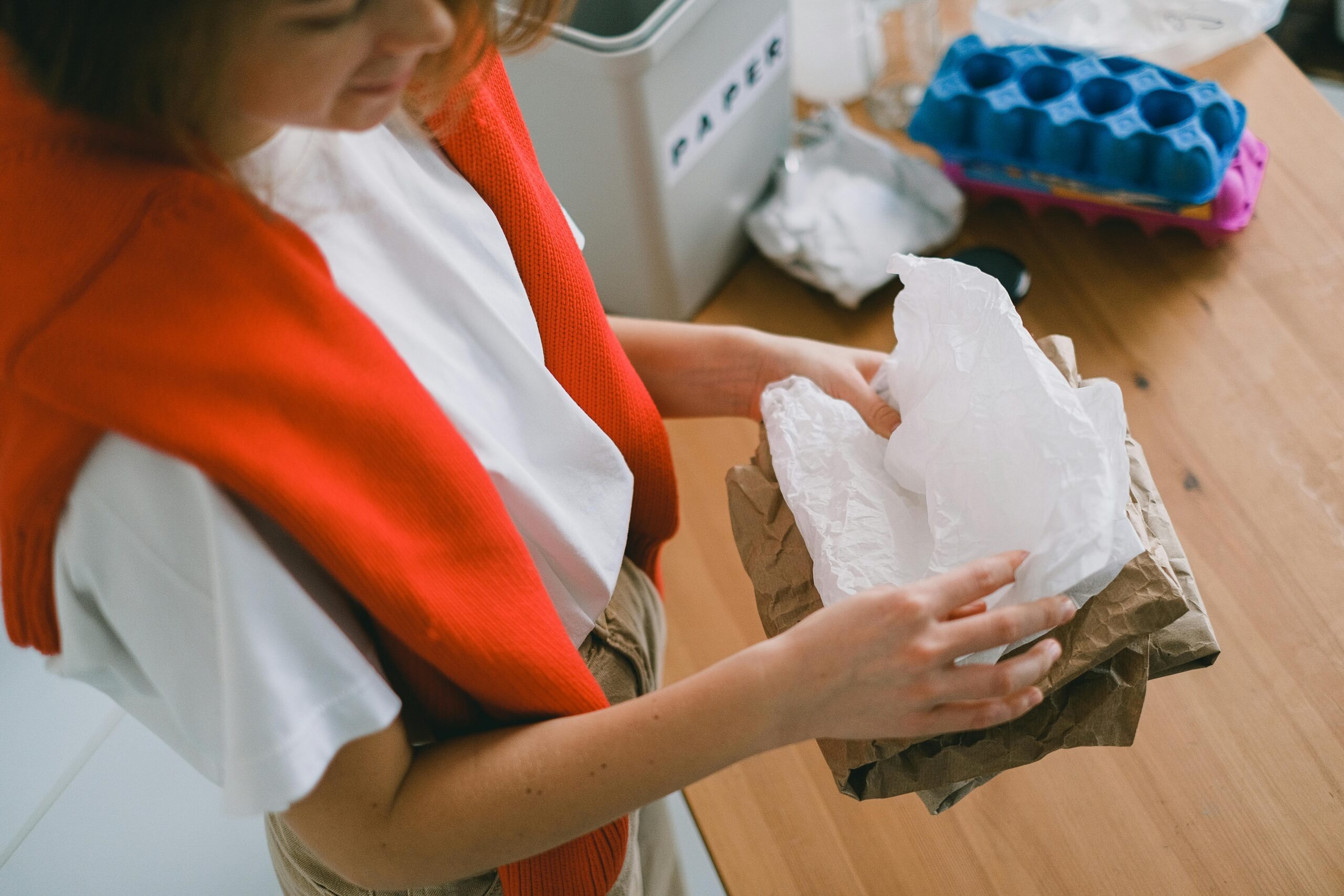
Zero Waste Living Simplified: Essentials for Beginners
Embracing a zero-waste lifestyle can appear daunting at first, but with the right guidance and tools, transitioning to an environmentally sustainable way of life can be simpler and more achievable than many might think. This comprehensive guide delves into the essentials of zero-waste living for beginners, offering practical advice and answering common questions to help you minimize your environmental footprint.
Understanding Zero Waste Living
Zero waste living is a sustainable lifestyle choice aimed at reducing personal waste generation to zero or as close to it as possible. This approach focuses on rethinking how we consume and manage resources, emphasizing the reduction of waste, reuse of products, and recycling of materials. Adopting this lifestyle not only helps in conserving natural resources but also reduces pollution and greenhouse gas emissions.
The Five Rs of Zero Waste
The cornerstone of zero waste living can be summarized into five essential principles, commonly known as the Five Rs:
- Refuse: Avoid single-use items and unnecessary freebies.
- Reduce: Minimize unnecessary consumption and waste.
- Reuse: Opt for reusable over disposable items.
- Recycle: Properly sort and dispose of waste that can be recycled.
- Rot: Compost organic waste whenever possible.
Benefits of Zero Waste Living
Adopting a zero waste lifestyle has several benefits not just for the environment but also for individuals and communities. These include reduced environmental impact, cost savings, support for local businesses, and the promotion of sustainability and resourcefulness.
Starting Your Zero Waste Journey: Tips and Strategies
Beginning a zero-waste lifestyle involves gradual steps towards reducing your waste. Here are practical tips and strategies to help you start:
1. Conduct a Waste Audit
Understanding the amount and types of waste you currently produce is the first step. Keep track of everything you discard over a week and identify items that can be refused, reduced, reused, recycled, or composted.
2. Simplify Your Shopping Habits
Bring your own bags and containers when shopping to avoid unnecessary packaging. Favor bulk purchases and choose items with minimal or recyclable packaging. Supporting local farmers and producers also reduces the carbon footprint associated with long-distance transportation of goods.
3. Optimize Household Item Usage
Replace disposable items with durable alternatives. For example, switch from paper towels to reusable cloths, from plastic straws to metal or bamboo ones, and from bottled water to a refillable container.
4. Embrace DIY Solutions
Many household products, like cleaning agents or toiletries, can be made at home using simple, natural ingredients. This not only cuts down on packaging waste but also reduces exposure to harsh chemicals.
5. Learn about Proper Recycling and Composting Techniques
Recycling rules can vary widely by location. Learn local regulations to ensure that you are recycling correctly. Additionally, start composting food scraps and yard waste to reduce landfill dependence and enrich your soil naturally.
Overcoming Common Challenges in Zero Waste Living
While transitioning to a zero-waste lifestyle, beginners may face several challenges. Here’s how to manage some of the most common ones:
Limited Access to Bulk Stores
If you live in an area without easy access to bulk stores, focus on eliminating waste in other areas of your life. You can also advocate for better sustainable options in your local stores or start a community buying club.
Dealing with Social Situations
It can be difficult to maintain zero waste principles in social settings without feeling isolated or judgmental. Communicate your choices with understanding and encourage curiosity about your lifestyle. Leading by example can be a powerful way to influence others positively.
Final Thoughts
Embarking on a zero-waste journey is a significant step towards a sustainable future. It’s about making mindful decisions that align with ecological responsibility. By starting small, educating yourself, and being persistent, you can make a substantial difference. Every step towards zero waste is a step towards preserving the planet for future generations.
FAQs About Zero Waste Living
Is zero waste living expensive?
While some eco-friendly products might have a higher upfront cost, zero waste living often saves money in the long run through reduced consumption and reliance on single-use products.
Can I achieve zero waste living in a rural area?
Absolutely! While urban areas might offer more ready-made zero waste resources like bulk stores, you can focus on growing your own food, buying local, and reducing consumption wherever you are.
Zero waste living is not only feasible but also enriching and essential in today’s environmentally aware society. With the basics in hand, beginners can confidently navigate their path to a cleaner, more sustainable lifestyle.