A Comparison of Efficiency and Sustainability: Achieving the Best of Both Worlds
In today’s fast-paced world, the concepts of efficiency and sustainability have become ever more critical. Businesses, governments, and individuals alike are increasingly tasked with finding methods that not only save time and resources but also protect and preserve the environment. In this article, we will delve into the nuances of both efficiency and sustainability, explore their interrelationship, and discuss best practices to optimize for both in various sectors.
The Core Concepts: Efficiency vs. Sustainability
Understanding Efficiency
Efficiency is about maximizing outputs from given inputs, ensuring that resources are used in the most effective way possible. This can relate to energy usage, manufacturing processes, workplace operations, and more. The primary goal is to reduce waste, streamline operations, and achieve better results with fewer resources. Efficiency is often connected to cost savings and improved productivity but can sometimes be implemented at the expense of long-term sustainability.
Understanding Sustainability
Sustainability involves using resources in a way that does not deplete them and ensures their availability for future generations. It encompasses environmental, economic, and social dimensions, often referred to as the triple bottom line. Sustainable practices ensure that growth and development are balanced with environmental stewardship and social responsibilities. While sustainability focuses on the long-term health of a resource or ecosystem, it may require more substantial initial investments and efforts compared to efficiency-focused strategies.
The Intersection of Efficiency and Sustainability
Efficiency and sustainability are not mutually exclusive and can often complement each other. An efficient use of resources can lead to reduced waste, which aligns well with sustainable goals. Conversely, sustainable methods can lead to more efficient systems over time by ensuring resources are replenished and remain available.
Case Study: Renewable Energy
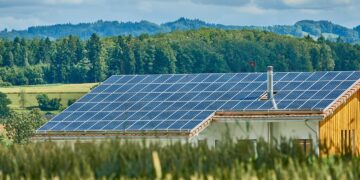
Renewable energy is a prime example of the synergy between efficiency and sustainability. Technologies such as solar and wind power require upfront investments and infrastructure. Once established, they provide a method of generating power that reduces the reliance on non-renewable resources and diminishes environmental impact. This sector demonstrates how initial efforts in sustainability can lead to long-term efficiency in energy production.
Practical Applications and Best Practices
In Corporate Settings
Businesses that integrate both efficiency and sustainability into their operations often see benefits in cost reductions, improved brand reputation, and legal compliance. Best practices include implementing energy-efficient appliances and machinery, reducing waste through recycling programs, and using sustainable materials in production. Companies like IKEA and Apple have set significant examples by investing in renewable energy and promoting sustainable material usage.
In Urban Development
Urban planners are increasingly tasked with designing cities that are both efficient and sustainable. This includes optimizing public transportation to reduce emissions, creating green spaces, and ensuring that buildings are both energy-efficient and built with sustainable materials. Efficient water management is also a critical aspect, involving the reuse and recycling of water resources.
In Agriculture
Modern agricultural practices often aim to balance efficiency and sustainability. Techniques such as drip irrigation and precision farming help in using water and fertilizers more efficiently, while crop rotation and organic farming support soil sustainability. By implementing these practices, farmers can increase yield and minimize environmental impact simultaneously.
Challenges and Considerations for a Balanced Approach
While the integration of efficiency and sustainability has many benefits, it also presents challenges. One of the primary concerns is the initial cost and investment required for implementing sustainable solutions. Moreover, there can be trade-offs between short-term efficiency gains and long-term sustainability benefits. For instance, single-use plastics are efficient for packaging but pose significant environmental problems.
Public Perception and Education
Public acceptance and understanding are crucial for promoting sustainable and efficient practices. Education and awareness campaigns are necessary to illustrate the benefits of such methods. Moreover, highlighting successful case studies can help in demonstrating the practical applications and benefits of integrating efficiency with sustainability.
Conclusion
In summary, while efficiency and sustainability might once have been seen as separate, even competing, agendas, today’s environmental and economic landscapes require a unified approach. By fostering a relationship where each complements the other, businesses, communities, and individuals can create more resilient, future-proof operations. Understanding their interplay and practical applications, amidst challenges, is key to progressing towards a more sustainable and efficient world.