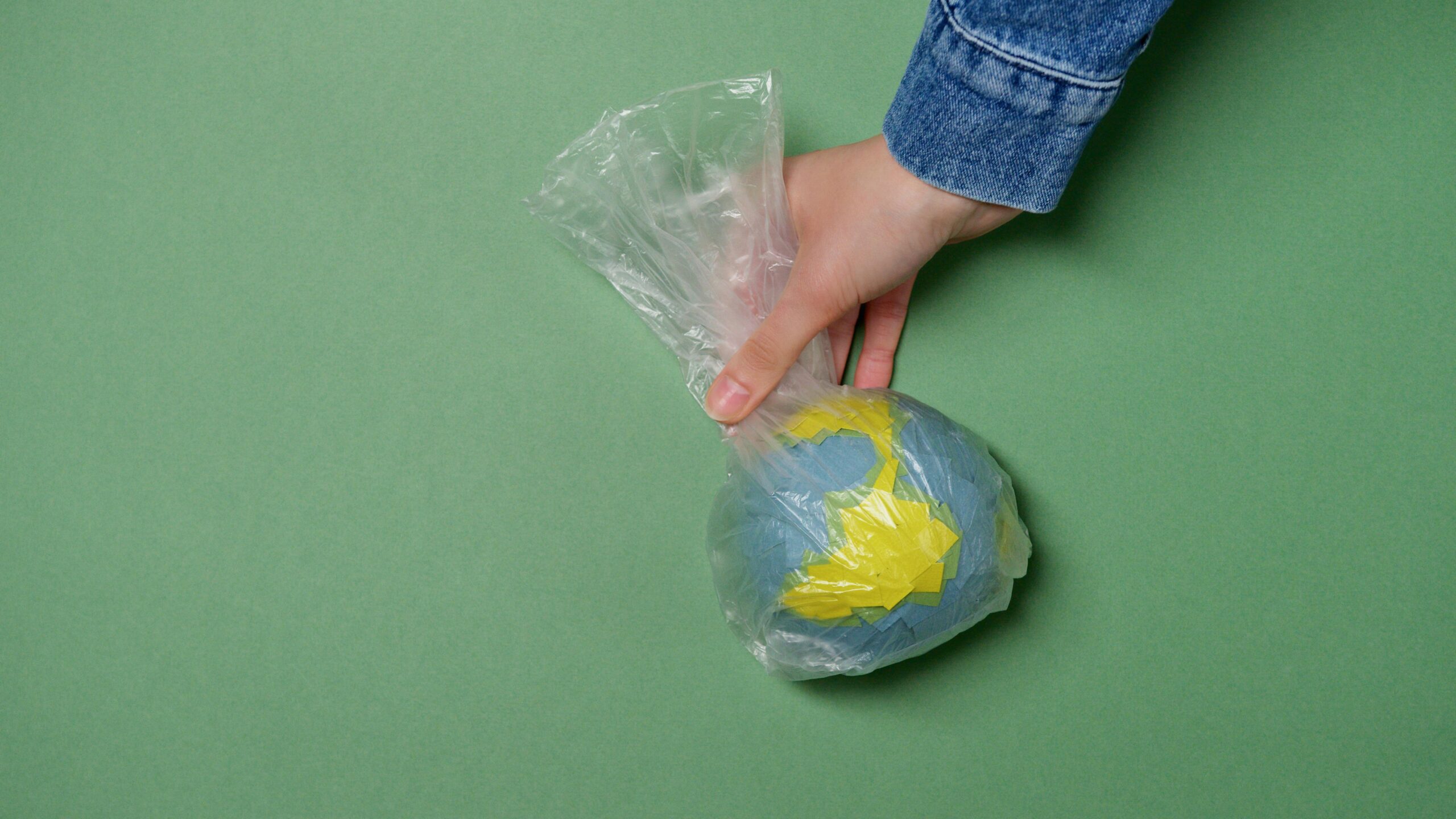
How to Prevent Global Warming: Simple Steps You Can Take Today
Global warming, a vast environmental issue, threatens the balance of our planet’s climate. However, combating this challenge doesn’t solely rest on the shoulders of scientists or policy-makers. Each of us holds the power to make impactful, positive changes. Below, discover simple, actionable steps that you, as an individual, can take to contribute to the global effort against climate change.
Understanding Global Warming
Before diving into the solutions, let’s clarify what global warming is. Simply put, it refers to the Earth’s rising surface temperature, primarily due to the increase in greenhouse gases like carbon dioxide, which are released by burning fossil fuels and deforestation. This temperature rise affects natural habitats, weather patterns, and sea levels globally.
Simple Steps to Combat Global Warming
Preventing global warming involves daily, conscientious decisions. Here’s what you can do:
1. Reduce Your Carbon Footprint
Every activity, from driving to heating your home, can contribute to carbon emissions. Here’s how you can reduce your footprint:
- Opt for Public Transport, Carpool or Bike: Decrease driving frequency by choosing public transportation, carpooling, or biking. This not only cuts down on emissions but also reduces traffic congestion.
- Home Energy Efficiency: Upgrade to energy-efficient appliances, insulate your home properly, and consider setting your thermostat a few degrees lower in winter and higher in summer.
- Adopt Renewable Energy: Consider installing solar panels on your roof, or choose a green energy provider to reduce dependence on fossil fuels.
2. Conserve Energy
Energy conservation is directly linked to reducing global warming. Implement these simple practices:
- Turn off Lights and Electronics: When not in use, ensure that lights, computers, and other electronics are turned off.
- Energy-efficient Appliances: When replacing old appliances, opt for energy-efficient models which use less power and lower emissions.
3. Reduce, Reuse, Recycle
Aligning with the three Rs of waste hierarchy minimizes the garbage ending up in landfills, which release methane, a potent greenhouse gas:
- Reduce: Cut down on what you throw away. Involve yourself in minimalistic purchases.
- Reuse: Choose reusable over disposable items. Store leftovers in reusable containers instead of single-use plastic bags.
- Recycle: Follow local guidelines to recycle products like paper, plastic, glass, and metals appropriately.
4. Support Sustainable Practices
Your buying habits significantly impact the environment:
- Buy Local and Organic: Food transportation contributes to GHG emissions. Buying local, organic food reduces your carbon footprint and supports sustainable agriculture.
- Eco-friendly Products: Choose products made with environmentally sustainable practices. Avoid ones that come with excessive plastic packaging.
5. Spread Awareness
Changing habits starts with awareness:
- Educate Yourself and Others: Stay informed about climate issues and share your knowledge. Awareness can foster more community action towards reducing global warming.
- Participate in Local and Global Initiatives: Join local clean-up efforts, tree plantation drives or global campaigns that focus on environmental conservation.
Addressing Common Questions
Can Individual Actions Truly Make a Difference?
Yes, absolutely! When individual efforts are multiplied across millions of people, they can have a profound impact on reducing global carbon emissions. Personal actions help foster a culture of conservation and can influence larger policy decisions.
Is It Expensive to Live More Sustainably?
While some eco-friendly products may be pricier, sustainable living typically saves money in the long run through reduced energy bills, less frequent purchases, and minimal waste. In essence, sustainability can be economical.
Final Thoughts
Countering global warming is a shared responsibility. Adopting even a few of the actions listed above can contribute to significant change. Let’s all work together to create a sustainable future, starting with simple daily steps today. Remember, every small action counts when it comes to conservation!