Exploring the Benefits of Small Scale Wind Energy for Rural Areas
In today’s quest for sustainability and clean energy, rural areas possess a unique advantage with the potential to harness the power of small-scale wind energy. This energy solution not only promises environmental benefits but also supports economic growth and energy independence in less urbanized regions. This article delves into how small wind systems can become a game-changer for rural communities around the globe.
Understanding Small Scale Wind Energy
What is Small Scale Wind Energy?
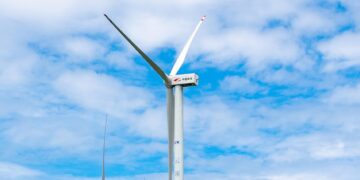
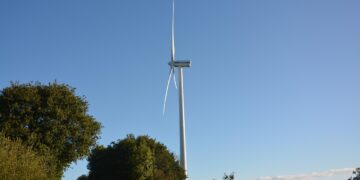
Small scale wind energy involves the use of compact wind turbines to generate electricity. These turbines are typically used to power individual homes, farms, or small communities, differing significantly from large-scale wind farms. They can be an ideal solution for areas with adequate wind resources, providing a reliable source of energy without the extensive infrastructure of traditional power grids.
How Does It Work?
Small wind turbines capture kinetic energy from the wind and convert it into electricity. The process begins as the wind moves the turbine’s blades, which spins a shaft connected to a generator. The generator then produces electrical power, which can be used immediately, stored in batteries, or even fed back into the electricity grid, depending on the system’s design and local energy policies.
Key Benefits of Small Wind Turbines in Rural Areas
Implementing wind turbines in rural settings offers numerous advantages from environmental to economic aspects:
1. Sustainable and Clean Energy Source
Wind energy is among the cleanest sources of power available today. By adopting small wind systems, rural areas can reduce their carbon footprint, contributing significantly to the fight against climate change.
2. Reduction in Energy Costs
One of the most immediate benefits of installing wind turbines is the significant reduction in electricity costs. After the initial investment in wind turbine installation, the ongoing expenses are relatively low, as wind is a free and perpetually renewable resource.
3. Energy Independence
Small wind turbines can increase energy independence for rural households and communities. By generating their own electricity, residents are less vulnerable to external energy prices fluctuations, and energy supply disruptions.
4. Supports Local Economies
The installation and maintenance of wind turbines create jobs and can help rejuvenate local economies. Further, increased local energy production can lead to ancillary business opportunities, such as manufacturing or tourism related to green technology.
Practical Implementation in Rural Settings
Despite the multiple benefits, the practical implementation of small scale wind turbines needs careful consideration of various factors:
Assessing Wind Resources
Before installation, it’s crucial to evaluate the wind resources of the area. An area with inconsistent or low wind speeds may not be suitable for wind turbines, or may require specific types of turbines designed for lower wind conditions.
Selecting the Right Wind Turbine
Various types of small wind turbines exist, each suited to different environments and wind conditions. Consideration of the turbine’s size, rotor type, and energy output is essential to maximize efficiency and meet local energy needs.
Understanding Zoning and Permit Requirements
Rural landowners must navigate local zoning and permit rules which can vary significantly between different regions. It’s important to understand these regulations to ensure compliance and smooth implementation.
Grid Integration and Storage Options
Small wind turbines can be integrated into the grid or set up as off-grid systems. Each option has its benefits and challenges and must be chosen based on energy goals, local infrastructure and regulations.
Making It Real: Success Stories
Many rural communities worldwide have successfully implemented small wind energy systems. For instance, a small farming community in Minnesota installed several turbines, which now supply a significant percentage of their electrical needs, reducing their reliance on traditional energy sources and decreasing their energy bills.
Wrapping Up
Small scale wind energy holds significant promise for rural areas, offering a path towards sustainable development, reduced energy costs, and increased energy independence. The journey to adopt wind power involves careful planning and community cooperation, but the enduring benefits can make a substantial impact on the local and global environment, proving that small steps can lead to big changes.
Whether it’s powering a single home or energizing an entire community, small wind turbines offer a flexible and viable solution to energy challenges in rural regions, marking a significant stride towards a greener future.