Transform Your Home with Sustainable Power: The Basics of Renewable Energy for Home
Are you curious about making your home more environmentally friendly and also potentially saving on energy bills? Renewable energy might just be the solution you’re looking for. This comprehensive guide will explore what renewable energy is, how it works, and how you can integrate it into your home in a practical and efficient manner.
Understanding Renewable Energy
Simply put, renewable energy comes from natural resources such as sunlight, wind, rain, tides, and geothermal heat, which are naturally replenished. Unlike fossil fuels, which can deplete and are a significant source of pollution, renewable energy sources contribute to less pollution and an inexhaustible energy supply. Here’s how this sustainable power can transform your home:
Types of Renewable Energy
- Solar Power: This involves capturing sunlight and converting it into electricity using solar panels installed on your roof or around your property.
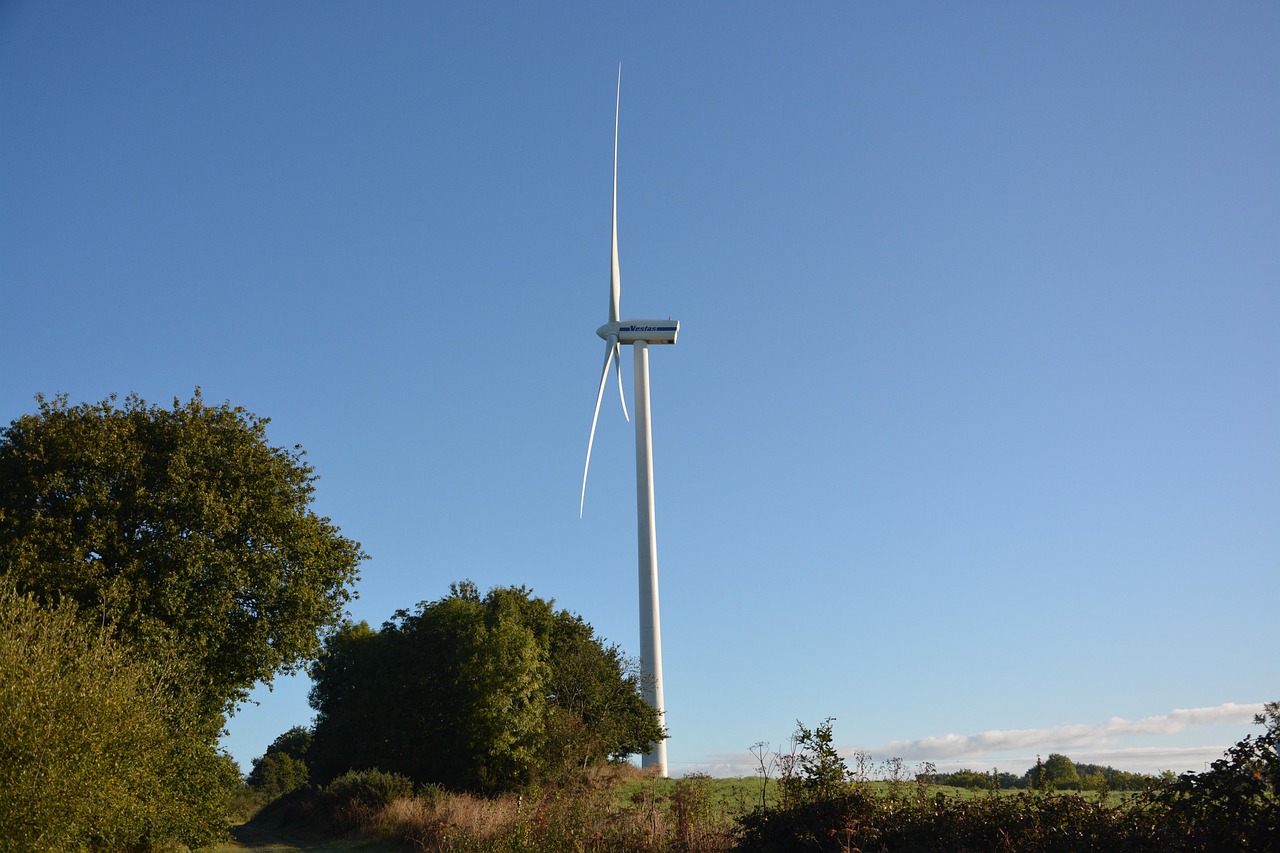
- Wind Energy: Less common for individual homes but possible in rural areas, small wind turbines can generate electricity from the wind.
- Hydro Power: If your home is near a water source, a small or micro hydropower system can be a reliable form of electricity generation.
- Geothermal Energy: Utilizing the earth’s heat, geothermal systems can heat and cool your home efficiently.
Advantages of Renewable Energy at Home
Integrating renewable energy into your home isn’t just good for the planet, it has numerous other benefits:
Economic Benefits
Investing in renewable energy can significantly reduce your utility bills over time. The initial installation might be a considerable investment, but solar panels and other renewable sources can provide long-term savings. Additionally, many governments offer subsidies, tax breaks, or rebates to encourage the adoption of renewable energy. It’s worth checking local regulations to see what financial support you might qualify for.
Environmental Impact
By reducing reliance on fossil fuels, you help decrease carbon emissions, contributing to cleaner air and a healthier environment. This shift not only impacts global climates and ecosystems but also enhances the quality of life within your community.
Energy Independence
By generating your own energy, you’re less dependent on national power grids and fluctuating energy markets. This independence can be especially crucial during times of natural disasters or other disruptions to the power grid.
Practical Steps to Adopt Renewable Energy in Your Home
Evaluating Your Home’s Energy Needs
Start by assessing your current energy consumption. Understand which areas of your home use the most energy and consider starting with those when switching to renewable sources. Professionals can conduct energy audits to help you make an informed decision.
Choosing the Right Technology
Pick a renewable energy source that aligns with your location and energy needs. For instance, solar panels are beneficial in areas receiving ample sunlight, while wind turbines are more suited to windy regions. Your local climate and the geography of your home play crucial roles in this decision.
Installation and Maintenance
Professional installation is key to maximizing the efficiency of renewable energy systems. Once installed, routine maintenance is required to keep these systems running smoothly, although the upkeep is generally minimal compared to traditional energy sources.
Monitoring and Adjusting
Once your renewable energy system is up and running, it’s important to monitor its performance. Many systems include apps or digital dashboards for tracking your energy production and consumption. This data can help you optimize your usage and ensure your system is operating at its best.
Overcoming Challenges
Despite the benefits, transitioning to renewable energy can come with challenges. Here are a few common ones:
Initial Costs
The upfront cost of renewable energy installations can be high. However, focusing on the long-term savings and possible financial incentives can mitigate these costs.
Weather Dependence
Renewable energy sources like solar and wind can be inconsistent, depending on the weather. Solutions include using hybrid systems or battery storage to ensure a continuous power supply.
Space Requirements
Larger setups like wind turbines and some solar systems require significant space, which can be a barrier in urban areas. In such cases, community-shared systems or smaller-scale technology options might be explored.
Empowering Your Home with Renewable Energy
Moving to renewable energy is not just a trendy choice—it’s a conscientious one that nurtures the planet while potentially easing your utility expenses. With the right preparation and choices, any home can be transformed into a beacon of sustainability. As the world turns more towards green solutions, starting with your home is a powerful step in the right direction.
Remember, each small step contributes to a much larger impact on our global ecological footprint. It is not just an investment in your own home, but in the future of our planet.