Beyond Pollution: The Wide-Ranging Environmental Impact of Plastic
Introduction
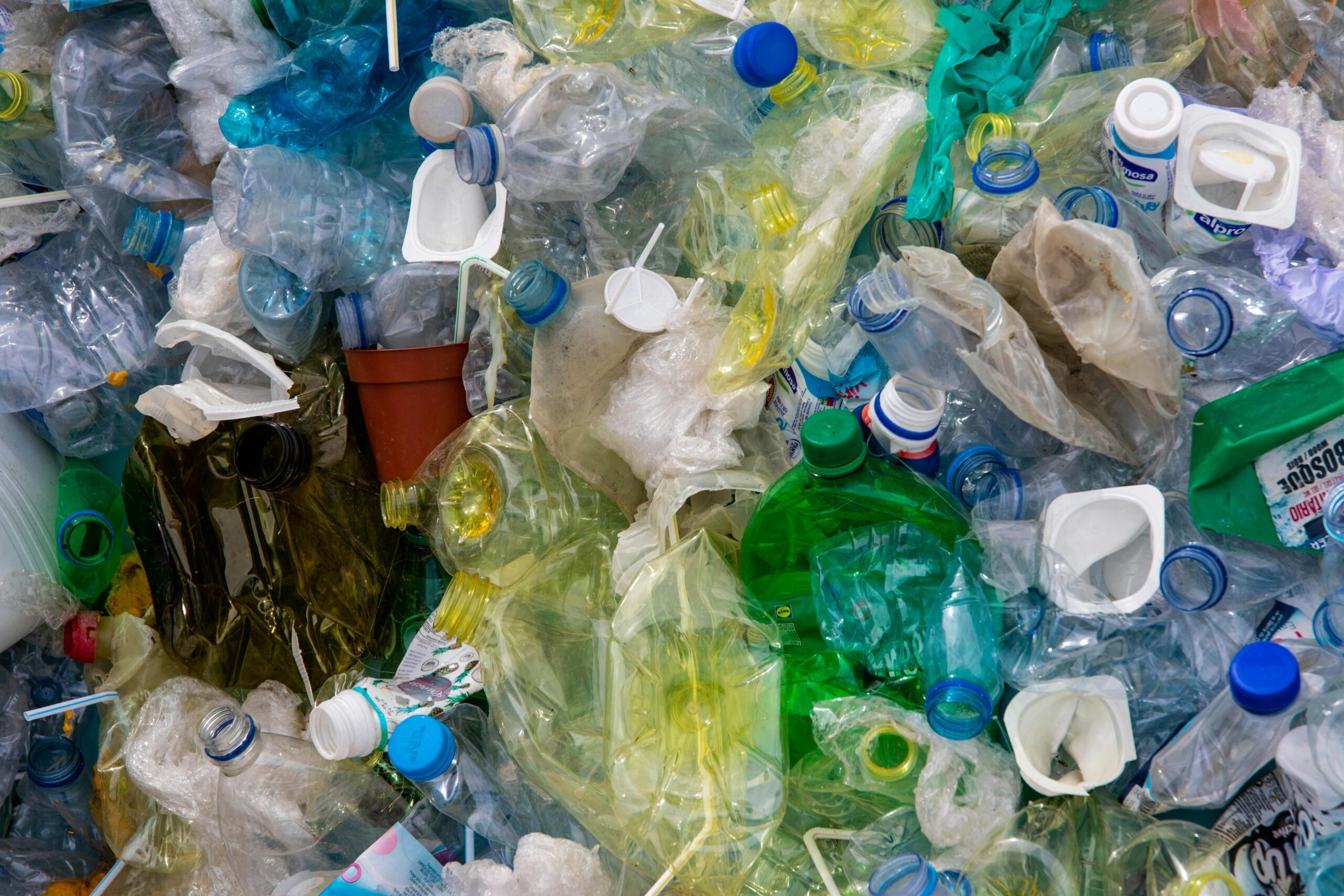
When you think of environmental pollution, the image of plastic bags tangled in tree branches or floating in ocean waters might spring to mind. However, the issue of plastic pollution extends far beyond just unsightly litter. This pervasive material impacts our planet in profound and multifaceted ways, affecting wildlife, human health, and ecosystems globally. Let’s explore the wide-ranging consequences of plastic use and discover practical steps we can take to mitigate its impact.
The Ubiquity of Plastics
How Plastics Have Shaped Our World
Since the mid-20th century, plastics have infiltrated every aspect of our lives, from packaging and construction to textiles and transportation. This widespread adoption owes much to plastic’s versatility, durability, and low cost. However, these same features make plastics a persistent environmental threat long after their useful life ends.
The Extent of Plastic Production
Annually, about 380 million tons of plastic are produced globally, with a significant percentage becoming single-use items such as shopping bags, food packaging, and straws. Disturbingly, less than 10% of this plastic is successfully recycled, while the majority ends up in landfills, incinerators, or the natural environment.
Environmental Consequences of Plastic Pollution
Oceans at Risk
The oceans bear the brunt of plastic pollution. An estimated 8 million tons of plastic waste enters the oceans from coastal nations every year. Once there, it poses a severe threat to marine life. Animals like turtles, seabirds, and fish often mistake plastic debris for food, leading to ingestion and, frequently, fatal blockages. Additionally, plastics can entangle animals, impeding their ability to move or eat.
Microplastics: A Pervasive Threat
Perhaps more alarming is the issue of microplastics—tiny pieces of degraded plastic smaller than five millimeters in length. These particles spread across the globe, discovered even in remote areas such as the Arctic ice and the depths of the ocean. Microplastics absorb toxins and are ingested by marine organisms, entering the food chain, potentially culminating in human consumption.
Impact on Human Health
Beyond the environmental toll, plastics pose indirect health risks to humans. Chemical additives in plastics, such as bisphenol A (BPA) and phthalates, can leach out and contaminate food and water. Research suggests these chemicals may interfere with hormone systems, potentially leading to reproductive, developmental, and metabolic issues.
Combating Plastic Pollution: Effective Strategies and Actions
Reducing Plastic Use
One straightforward approach is to minimize single-use plastics. Opting for reusable bags, bottles, and containers can significantly cut down the amount of plastic waste generated. Additionally, supporting businesses and products that prioritize sustainable packaging and practices encourages broader industry changes.
Improving Waste Management
Advancing waste management systems is critical, particularly in under-resourced areas. Enhancing recycling programs and facilities, investing in new technologies for recycling and composting, and strictly enforcing regulations against littering can dramatically improve the current situation.
Legislation and Policy Change
Government action plays a pivotal role in tackling plastic pollution. Policies such as bans on specific types of single-use plastics, restrictions on plastic production, and incentives for plastic alternatives can drive substantial progress. Public support for these policies boosts their effectiveness and encourages swift implementation.
Global Movements and Individual Actions: Making a Difference Together
Worldwide Initiatives Against Plastic Pollution
Globally, movements like the Plastic Free July challenge inspire people to commit to reducing plastic waste. International agreements and coalitions work towards cleaning up the oceans and cutting down on plastic production. These collective efforts are crucial for driving significant environmental change.
What You Can Do Today
Change begins at the individual level. Start by conducting an audit of your daily plastic use and identify areas for improvement. Whether it’s choosing products with less packaging, participating in local cleanup events, or educating others about the impacts of plastic pollution, every action counts. Sharing your journey and successes on social media can also motivate others to join in these efforts.
Conclusion: A Plastic-Free Future
The journey towards a sustainable future where plastics no longer pose a threat to our environment is long and challenging. However, with concerted global efforts and individual actions, a plastic-free future is achievable. Educate yourself, stay informed about local and global initiatives, and take proactive steps to reduce your plastic footprint. Together, we can build a cleaner, healthier planet for generations to come.
Stay Inspired and Engaged
Remember, every small change contributes to a large-scale impact. By staying informed, proactive, and motivated, you become part of a global movement towards a more sustainable and environmentally respectful world. Let’s make the change happen!