How Global Warming is Changing Your Daily Weather
Have you ever wondered why some days feel unusually hot or why winters seem milder than what your grandparents recollect? There’s a significant chance these changes are influenced by global warming. As we progress further into the 21st century, the signs of global warming are becoming more apparent, affecting not just polar bears or distant ecosystems, but the weather outside your window.
Understanding Global Warming and Climate Change
Before diving into the effects on daily weather, it’s crucial to grasp what global warming is. In simple terms, global warming refers to the Earth’s rising surface temperature due to increased levels of greenhouse gases like carbon dioxide in the atmosphere, primarily from human activities such as burning fossil fuels and deforestation.
The Greenhouse Effect
The greenhouse effect is a natural process where certain gases in our atmosphere trap heat from the sun, helping to warm the Earth. However, excessive amounts of these gases can increase the temperature more than usual, leading to various climatic changes, termed as climate change.
How Global Warming Influences Daily Weather
Your daily weather is actually a local experience of the broader phenomenon of climate change. Here are some of the most noticeable ways global warming reshapes our everyday weather experiences:
1. Increased Temperatures
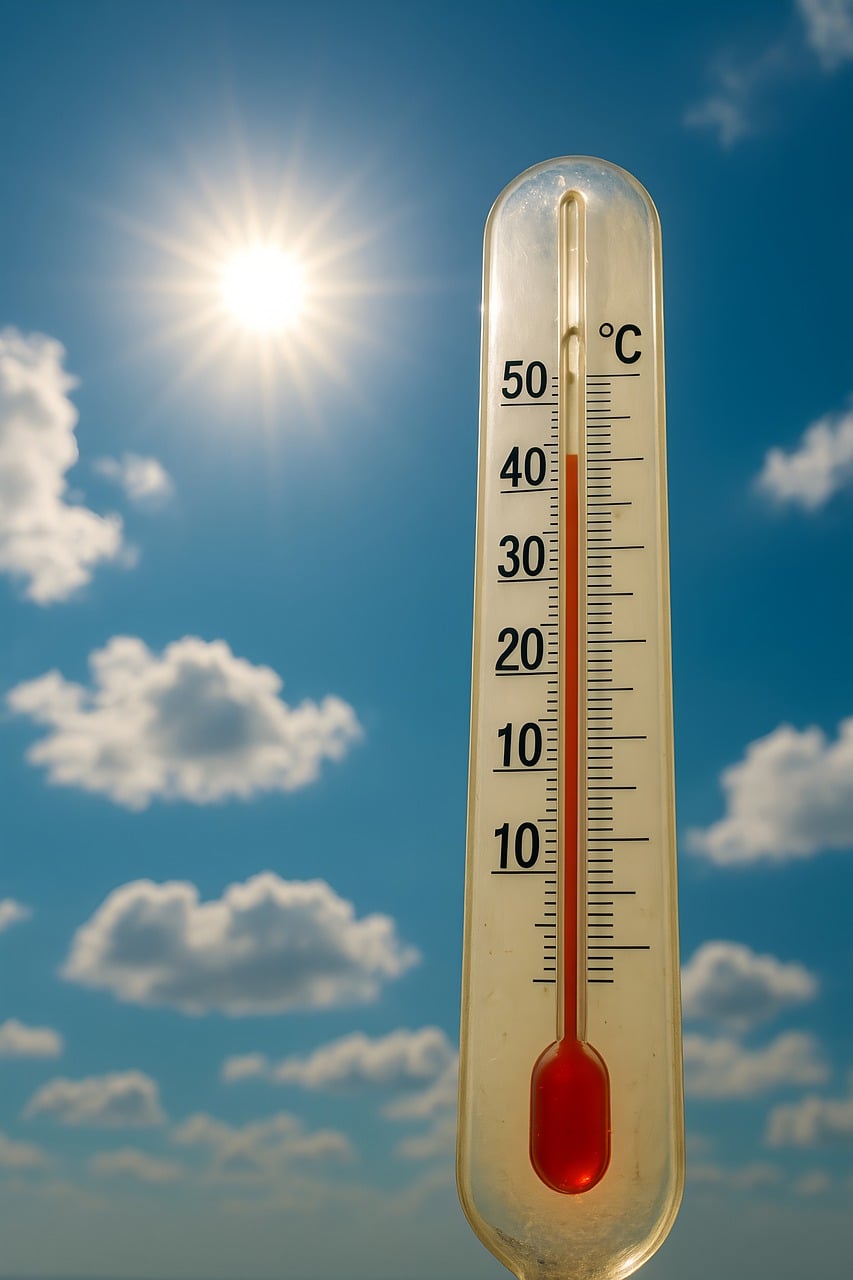
One of the most direct effects of global warming is an increase in temperatures. You might have noticed more frequent hot days and heatwaves. Cities are particularly prone to a phenomenon known as the “urban heat island” effect where urban areas become significantly warmer than their rural counterparts—an issue exacerbated by global warming.
2. Altered Precipitation Patterns
Have you observed changes in rainfall patterns? Perhaps, heavier downpours or longer-than-usual dry spells? Global warming affects evaporation and precipitation. As temperatures increase, more water evaporates into the air, and warmer air holds more moisture, which can lead to more intense and frequent storms.
3. More Severe Weather Events
Extreme weather events like hurricanes, tornadoes, and blizzards are becoming more intense and frequent. The increased energy in the atmosphere and higher sea surface temperatures fuel these severe events, leading to enhanced impact and often, greater destruction.
4. Unexpected Seasonal Changes
The timing and character of seasons are shifting. Springs may arrive earlier, while autumns may last longer. Such shifts can disrupt natural cycles, affecting agriculture, wildlife, and even water supplies.
Impacts of Altered Weather Patterns on Daily Life
Changes to weather patterns affect more than just the environment; they influence every aspect of our lives:
Economic Effects
Extreme weather events can cause significant economic losses. Damage to property and infrastructure, disruptions in manufacturing and supply chains, and agricultural losses all contribute to economic instability.
Health Risks
Increased temperatures and fluctuating weather patterns pose numerous health risks. Heatwaves can lead to heat exhaustion and heatstroke, particularly for the elderly and children. Changes in weather can also exacerbate air pollution problems, causing respiratory issues.
Effects on Mental Health
The stress of experiencing or even just hearing about extreme weather events can lead to mental health challenges such as anxiety and depression. Recognizing and addressing these impacts is as important as tackling the physical effects.
What Can You Do?
Understanding the influence of global warming on our daily weather invites us to take action. Here are some practical steps each of us can take:
Reduce Carbon Footprint
Consider how your actions contribute to carbon emissions and seek ways to reduce them. Simple steps like recycling, using public transportation, reducing energy use, and supporting renewable energy sources can make a difference.
Stay Informed and Educate Others
Staying updated on climate science and understanding global warming is crucial. Educating others, including friends and family, helps build a community aware of and ready to face these challenges.
Support Policies and Leaders
Supporting policies and leaders who prioritize the environment and sustainable practices is critical. Advocating for change at local, national, and international levels can lead to significant positive impacts.
Conclusion
Global warming and its effects on daily weather are complex but not insurmountable problems. By understanding the changes happening around us and taking proactive steps, we can mitigate these effects and safeguard our planet for future generations. Witnessing these changes in our daily weather is a call to action—a reminder that we are all stewards of the Earth.