Unveiling the Human Impact on Environment: What You Need to Know
From bustling urban centers to remote forests, the human footprint can be seen and felt across the globe. As stewards of planet Earth, it’s crucial that we understand how our behaviors and habits impact the environment. This understanding equips us with the power to make changes that safeguard the natural world for future generations.
Understanding Our Environmental Impact
Human activities affect nearly every aspect of the Earth’s ecosystems. Let’s dive into some of the most significant ways we’re making a mark:
The Issue of Pollution
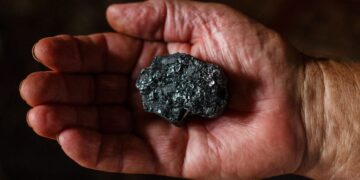
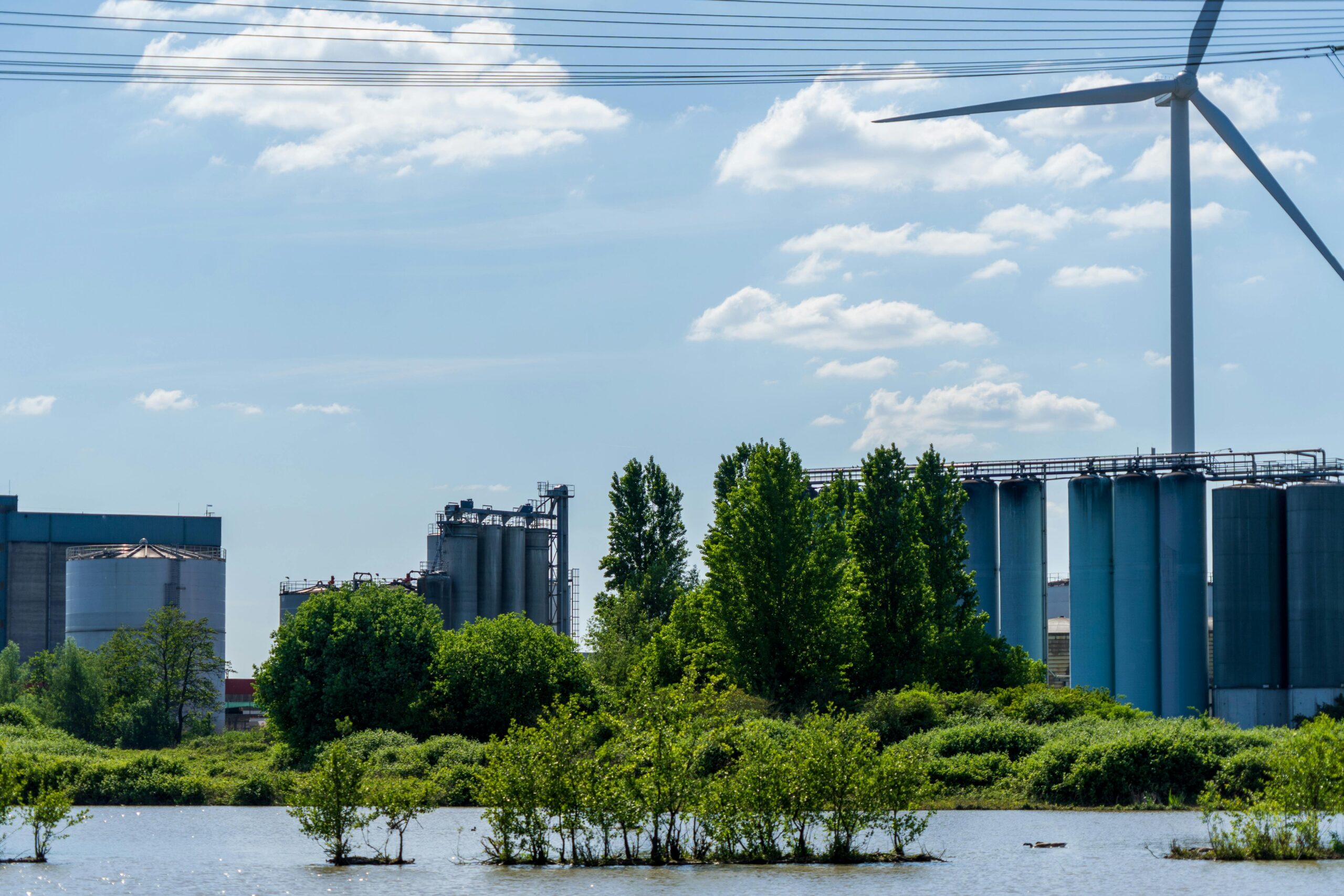
Pollution is perhaps the most visible form of environmental impact. Toxic substances from industrial processes, vehicle emissions, and improper waste disposal degrade air, water, and soil quality. For instance, the burning of fossil fuels releases greenhouse gases, which contribute to global warming and climate change, affecting wildlife and human communities alike.
Deforestation and Habitat Loss
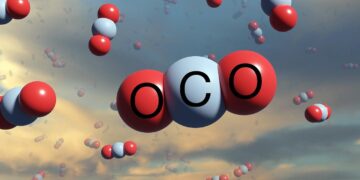
Forests around the world are being leveled at an alarming rate to make way for agriculture or urban expansion. This leads to loss of habitats for millions of species, and it disrupts the carbon dioxide oxygen exchange, intensifying global warming and altering local climates.
Overexploitation of Resources
Humans consume natural resources at unsustainable rates. Overfishing, water scarcity, and the depletion of minerals are stark reminders of our excessive consumption patterns. This overexploitation not only jeopardizes the ecosystems but also threatens human survival.
Effects on Biodiversity and Ecosystem Services
Biodiversity—the variety of life on Earth—plays a crucial role in maintaining the balance of ecosystems. However, human actions have led to a steep decline in biodiversity, affecting ecosystem resilience and functionality.
Flora and Fauna Under Threat
Many plant and animal species struggle to survive against habitat destruction, pollution, and climate change. This loss of biodiversity results in weaker ecosystems that are less able to support us and other living beings.
Disrupted Natural Cycles
Human activities also interfere with natural cycles such as the water cycle and the carbon cycle. This disruption can lead to more extreme weather events, such as hurricanes and droughts, and long-term changes in climate patterns.
What Can We Do About It?
Despite the grave impacts, there are numerous actions individuals and communities can undertake to mitigate environmental damage:
Adopt Sustainable Practices
Incorporating sustainability into daily life can drastically reduce one’s environmental footprint. Simple changes like using public transportation, reducing water usage, and decreasing energy consumption can go a long way.
Support Conservation Efforts
Engaging with and supporting local and global conservation initiatives can preserve endangered habitats and species. Whether by volunteering, donating, or simply spreading awareness, every action counts.
Advocate for Environmentally Friendly Policies
Being politically active and advocating for policies that protect the environment can drive large-scale change. This can include supporting renewable energy projects, stricter pollution controls, and sustainable land use planning.
Frequent Questions About Human Environmental Impact
How Serious Is the Problem of Environmental Impact?
The current environmental crisis is very serious, with scientists warning about irreversible damage if drastic measures are not taken immediately. The outcomes of environmental degradation, such as climate change, are already being experienced around the world and will intensify if left unaddressed.
Can Individual Actions Really Make a Difference?
Absolutely! While individual actions may seem small in isolation, collectively they can lead to substantial environmental benefits. Moreover, they set an example for others and often inspire wider community action.
Is There Still Time to Reverse the Damage?
While some changes are irreversible, it is still possible to mitigate many of the worst effects of environmental degradation. Immediate action is crucial, and involves concerted efforts from individuals, organizations, and governments worldwide.
Leaving a Lasting Impact
Understanding and taking action on the environmental impacts of human activities is not just a responsibility—it’s an imperative. By making informed choices, supporting the right causes, and advocating for effective policies, each of us can contribute to a healthier, more resilient world. It’s time to turn awareness into action and ensure that our legacy is one of stewardship and sustainability rather than destruction and decline.