Exploring Clean Energy: Understanding the Benefits and Drawbacks of Renewable Energy
As the world becomes more aware of the environmental impacts of traditional energy sources, the shift towards renewable energy is accelerating. This article takes a deep dive into the world of clean energy, exploring its benefits and drawbacks, and understanding how it affects our world today.
What is Renewable Energy?
Renewable energy comes from natural resources that replenish themselves over short periods of time. Unlike fossil fuels such as coal, oil, and natural gas which can take millions of years to form, sources of renewable energy include sunlight, wind, rain, tides, and geothermal heat. These resources are often abundant and can be used continuously to create energy.
Types of Renewable Energy
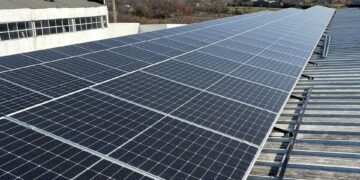
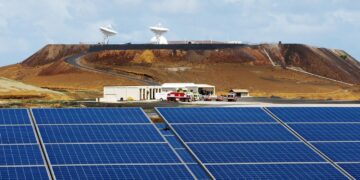
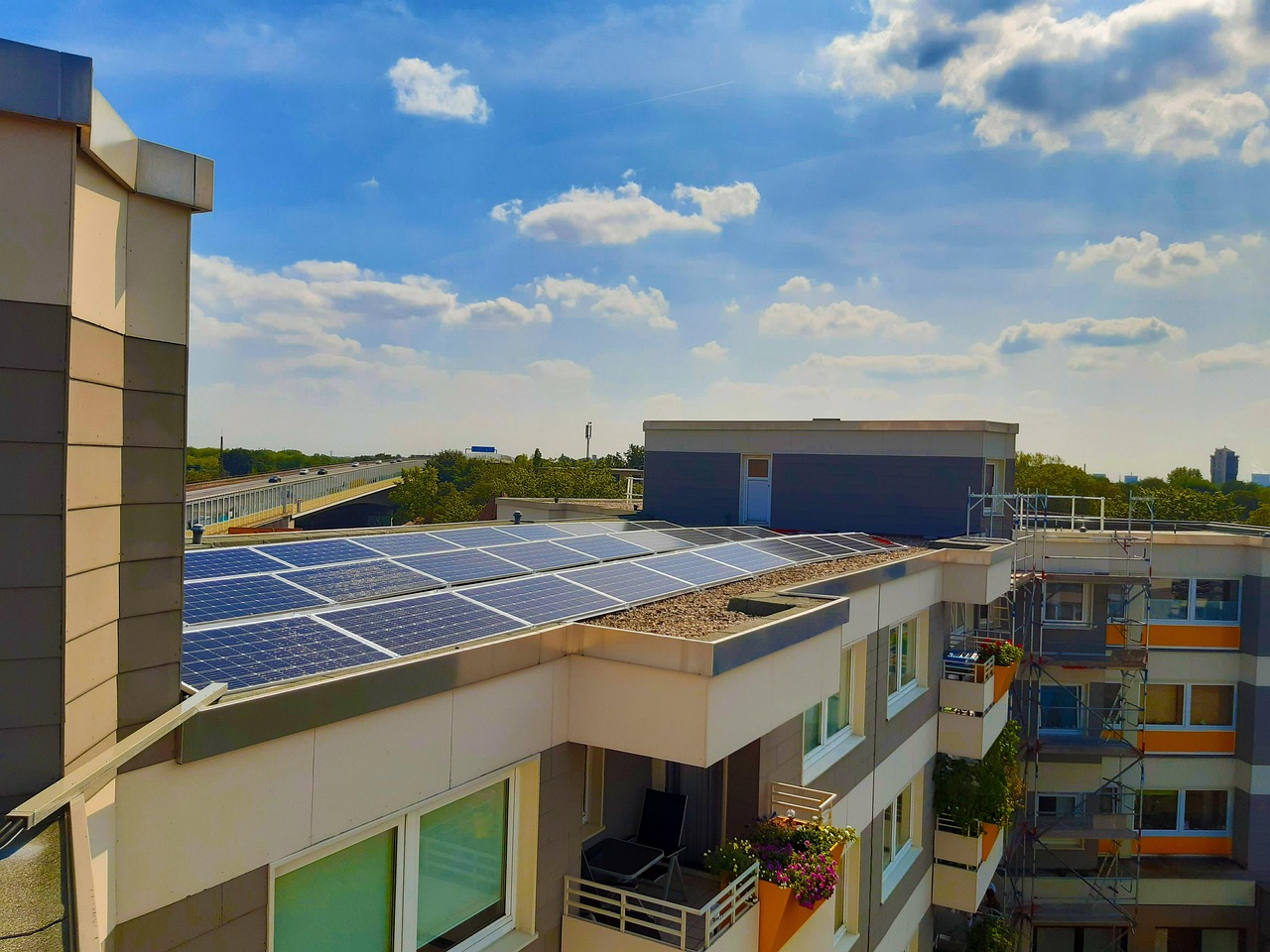
- Solar Energy: Generated by converting sunlight directly into electricity using solar panels.
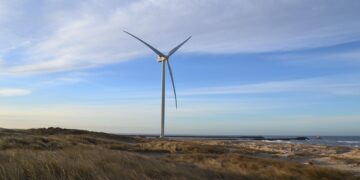
- Wind Energy: Produced using wind turbines that convert the kinetic energy in wind into mechanical power.
- Hydropower: Produced from the energy of running water moving from higher to lower elevations.
- Geothermal Energy: Generated through the heat from the Earth’s internal geological processes.
- Biomass Energy: Derived from organic materials such as wood, agricultural crops, or wastes.
The Benefits of Renewable Energy
Turning towards renewable energy sources offers numerous advantages both environmentally and economically.
Environmental Impact
Renewable energy produces little to no greenhouse gases or pollutants during operation, making it a clean source of energy. This significantly helps in reducing air pollution and the carbon footprint, combating global warming and climate change.
Economic Benefits
Investing in renewable energy technology is economically beneficial. It creates jobs in new and emerging sectors, reduces the dependency on imported fuels, and can also lead to significant savings in energy costs over time. Furthermore, renewable energy projects can boost local economies, particularly in rural areas where many facilities are built.
Renewability and Sustainability
The inexhaustible nature of renewable sources like the sun and wind mean that these energy supplies are continuously replenished and sustainably used, unlike finite fossil fuels which can deplete over time.
The Drawbacks of Renewable Energy
While renewable energy has many upsides, there are also challenges and limitations to consider.
Initial Costs
One of the largest hurdles for renewable energy adoption is the upfront cost. Technologies like solar panels and wind turbines require significant investment to install. Additionally, there may be a need for upgrading the current energy infrastructure to adapt to new technology.
Reliability and Availability
Some renewable energy sources depend heavily on the environment. For example, solar energy isn’t generated at night or during cloudy weather, and wind turbines need a minimum wind speed to operate efficiently. This can lead to inconsistencies in energy supply.
Geographic Limitations
Not all regions are suitable for every type of renewable energy technology. For instance, geothermal energy is primarily available in regions with volcanic activity, and hydroelectric plants require a significant and consistent water flow.
Making Renewable Energy More Accessible
To overcome challenges and maximize the benefits of renewable energy, both technological innovation and policy changes are critical.
Technological Advancements
Research and development are paving the way for more efficient and less expensive energy technologies. Innovations like battery storage systems and smart grids are also helping to overcome reliability issues.
Government Policies and Incentives
Policies such as subsidies, tax incentives, and mandates are crucial for encouraging the adoption and development of renewable energy technologies. These policies can help level the economic playing field with fossil fuels and make renewable options more attractive and financially viable.
Community Engagement and Education
Educating communities about the benefits of renewable energy and involving them in planning and development processes can lead to higher acceptance rates and smoother implementation of projects.
Conclusion: The Future of Renewable Energy
The shift towards renewable energy is not just an environmental or economic need but also a global movement towards sustainability. Understanding both its benefits and challenges helps us embrace and promote clean energy effectively and responsibly. By continuing to innovate, enact supportive policies, and educate the public, renewable energy can significantly alter our world for the better.
Learning about and supporting renewable energy initiatives in our local communities or adopting sustainable practices in our daily lives are steps we can all take to contribute towards a cleaner, sustainable, and energy-efficient future.