Green Power Pros and Cons: Navigating the Benefits and Drawbacks of Renewable Energy
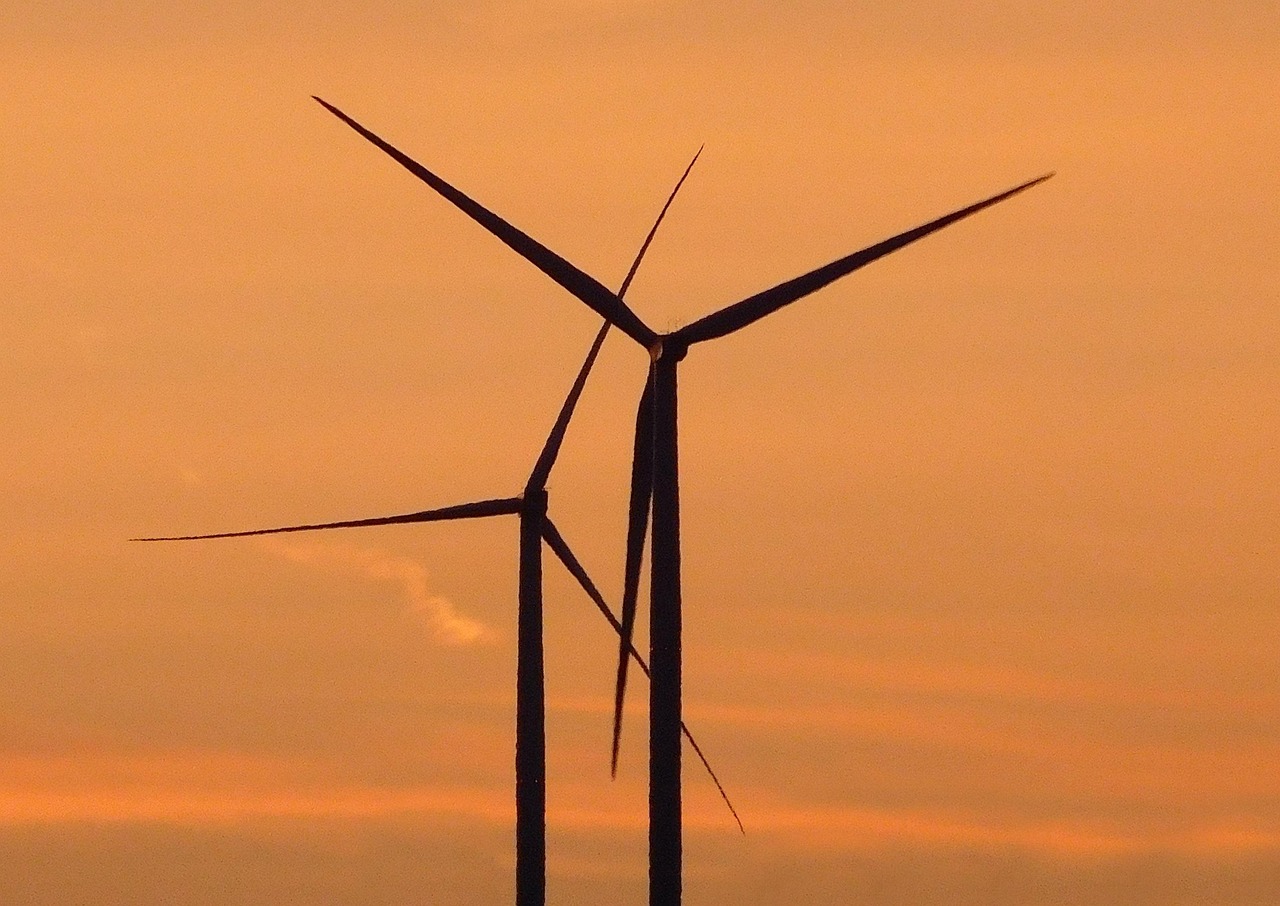
The shift towards renewable energy is unfolding globally at an unprecedented pace, driven by the growing awareness of environmental impacts and the urgent need to curb climate change. Renewable energy, commonly referred to as green power, includes energy derived from natural and continually replenishing resources such as the sun, wind, and water. In this article, we will explore the multifaceted benefits and potential drawbacks of renewable energy sources, and provide a balanced perspective to help individuals and communities make informed decisions about adopting green power.
What Is Renewable Energy?
To truly understand the scope of green power, it’s pertinent to first define what renewable energy encompasses. Renewable energy sources include solar, wind, hydro (water), biomass, and geothermal energy. These resources are considered ‘renewable’ because they are naturally replenished on a human timescale, unlike fossil fuels such as coal, oil, and natural gas, which can take millions of years to form and are depleted when used.
Pros of Renewable Energy
1. Environmental Benefits
One of the most lauded advantages of renewable energy is its low environmental impact. Renewable energy technologies produce minimal emissions during operation, making them cleaner alternatives to fossil fuels. For example, solar panels generate electricity without releasing carbon dioxide (CO2), a major contributor to global warming. This significant reduction in greenhouse gas emissions is crucial in combating climate change and reducing air pollution.
2. Sustainable and Renewable
The very nature of renewable energy is that it’s virtually inexhaustible. The sun will keep shining, the wind will keep blowing, and rivers will keep flowing. Harnessing these natural phenomena means that we can count on these energy sources day after day, year after year, without worrying about running out, ensuring a sustainable future for generations to come.
3. Economic Benefits
Investing in renewable energy can also lead to economic gains. The renewable industry is labor-intensive, creating numerous jobs in construction, installation, maintenance, and more. Additionally, as these technologies become more widespread, the costs continue to drop, making renewables increasingly competitive with conventional sources of energy. Moreover, the economic benefits are often local, supporting community development and resilience.
Cons of Renewable Energy
1. Intermittency and Reliability Issues
A significant challenge with renewable energy sources like solar and wind is their variability. Solar output dips on cloudy days and at night, while wind energy fluctuates with wind speeds. This intermittency can lead to reliability issues for power grids, which need a constant, balanced supply and demand. Advanced energy storage solutions and grid management are necessary to mitigate these effects, but they currently involve additional costs and technological hurdles.
2. High Initial Costs
While the long-term operating costs of renewable energy facilities can be relatively low, the upfront costs for technologies such as solar panels, wind turbines, and hydroelectric plants can be quite high. These costs include not just the technology itself but also infrastructure, like storage systems and upgraded power grids that can handle variable energy inputs.
3. Land and Resource Use
Renewable energy projects often require more land compared to conventional power stations. For example, a large area is necessary to install enough solar panels or wind turbines to generate substantial amounts of power. This can lead to ecosystem disruption, habitat loss, and other environmental issues if not managed sensitively. Additionally, manufacturing renewable energy systems involves mining and processing materials, which has its own environmental footprint.
Navigating the Future
To effectively implement renewable energy on a larger scale, a balanced approach that tackles the drawbacks while maximizing the benefits is essential. Innovation in technology can reduce costs and improve efficiency and reliability. Policies and incentives can ease the financial burden of transitioning to renewable energy, making it more accessible for more people and businesses.
As part of your personal or community decision-making, consider both the short-term implications and the long-term benefits of switching to renewable energy. Investments made today in green power can signal a commitment to a cleaner, more sustainable future, potentially delivering economic, environmental, and societal rewards.
Conclusion
Renewable energy represents a dynamic and vital part of our global effort to sustainably meet our current and future energy needs. While there are challenges inherent in transitioning to green power, the compelling advantages offer substantial reasons for its continued adoption and development. By understanding and addressing the pros and cons of renewable energy, individuals, businesses, and governments can make wise choices that contribute to a sustainable and prosperous future.