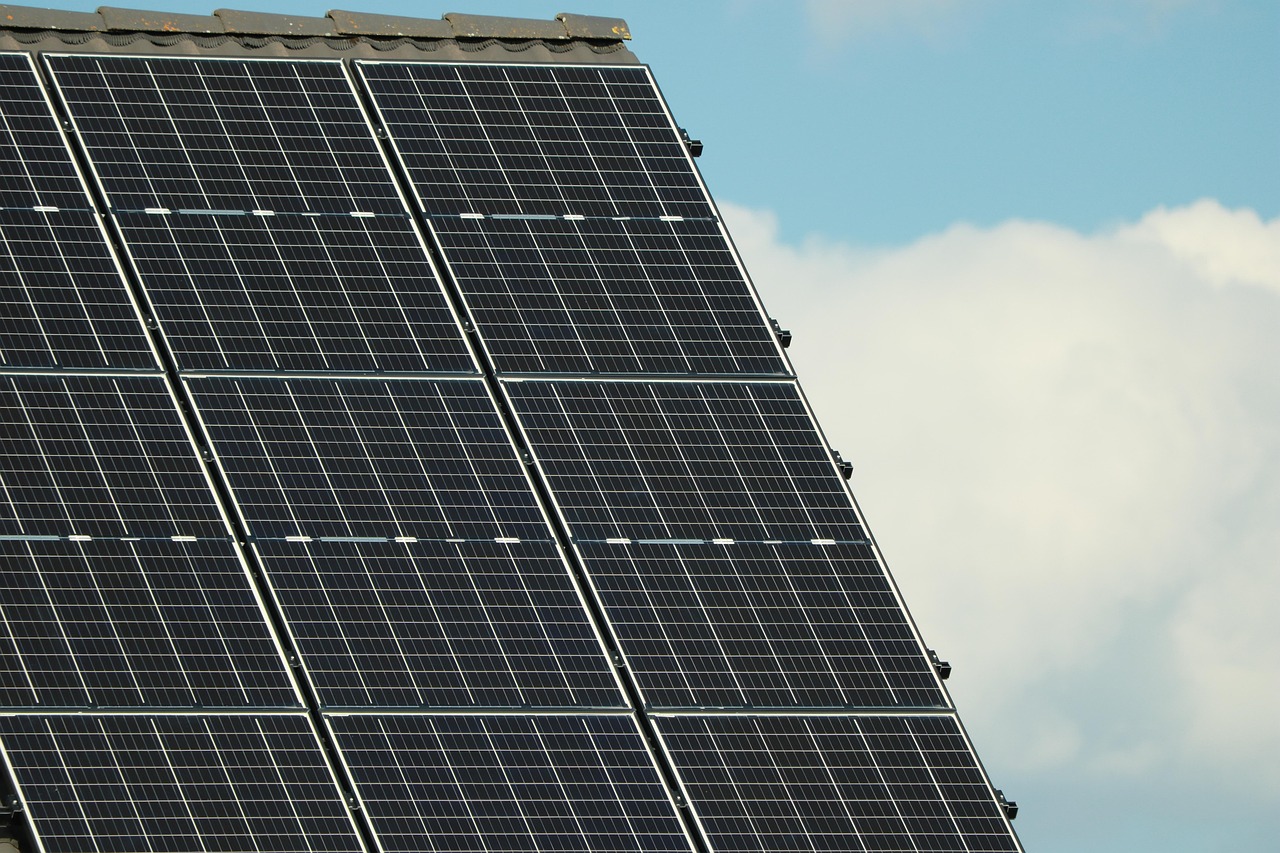
Step-by-Step Guide to Switching to Solar Power and Saving Money
Embracing solar power is more than just a trend; it’s a beneficial move toward reducing both your electricity bills and carbon footprint. This comprehensive guide will walk you through the necessary steps to transition smoothly to solar energy, ensuring you’re well-informed and ready to make the switch effectively.
Understanding Solar Power
Solar power converts sunlight into electricity either directly using photovoltaics (PV), or indirectly using concentrated solar power. It is clean, renewable, and increasingly becoming more affordable as technology advances.
Benefits of Solar Energy
- Reduces electricity bills: Sunlight is free, so once you cover the initial setup costs, your electricity costs will significantly decrease.
- Increases property value: Homes with solar power systems have higher property values and sell more quickly than non-solar homes.
- Environmentally friendly: Solar power reduces your carbon footprint, contributing to a reduction in greenhouse gas emissions.
- Low maintenance costs: Solar energy systems generally require little maintenance and are incredibly durable.
Step 1: Assess Your Solar Potential
Before jumping into solar, evaluate your home’s solar potential. Several factors influence this, such as location, the pitch of your roof, and potential shading from trees or other structures.
Tools and Resources
Utilize online tools like Google’s Project Sunroof, which provide estimates of solar potential by analyzing your roof shape, local weather, and shading patterns.
Step 2: Understand Your Energy Usage
Knowing how much electricity you currently use is crucial as it influences the size of the solar system needed. Examine your electricity bills to determine your monthly energy usage and consider factors that might affect your future energy needs, like purchasing an electric vehicle or adding a home extension.
Step 3: Explore Solar Financing Options
The initial cost of installing solar panels can be high, but various financing options can help manage these costs:
Options Include:
- Solar Loans: These are specific loans designed to cover the cost of your solar system with the benefit of owning your system outright. Owning the system often increases the value of your property more compared to leasing.
- Lease Agreements: Here, you lease the system from a company and pay a fixed monthly rate, which is usually lower than your current electricity bill.
- Solar Power Purchase Agreements (PPAs): You agree to purchase the solar energy generated by a system owned by a third party at a set price per kilowatt-hour.
- Incentives and Rebates: Many governments offer tax credits, rebates, and other incentives to reduce the cost of going solar. Check the Database of State Incentives for Renewables & Efficiency (DSIRE) for detailed information.
Step 4: Choose the Right Solar Provider
Selecting a reliable solar provider is crucial. Research various companies, read reviews, and ask for recommendations. Ensure they are licensed and insured, and inquire about their warranty on both the equipment and the installation.
Questions to Ask Potential Providers:
- What is the estimated cost and timeline for the installation?
- What financing options do they offer?
- What warranties do they provide?
Step 5: Installation and Maintenance
Once you’ve selected a provider, they will handle the installation of your solar panels. This process typically includes an initial site assessment, obtaining permits, the actual installation, and connection to the grid. Most companies also offer guidance on the operation and maintenance of your system to ensure maximum efficiency.
Step 6: Monitor and Manage Your Solar System
After installation, monitoring your system is important to ensure it functions properly. Many systems come with apps or other digital monitoring solutions, allowing you to view your system’s performance in real time.
Maintaining Your System
Regular maintenance is minimal but important. Keeping solar panels clean and free from obstructions like leaves and other debris will help maintain efficiency. It’s also wise to have periodic checks done by professionals.
Step 7: Enjoy the Benefits
With everything set, you can now enjoy the benefits of solar power. Not only are you saving on your electricity bills, but you are also making a significant impact on the environment by reducing carbon emissions and contributing to a sustainable future.
Conclusion
Switching to solar power is a robust path towards energy independence, enriched with numerous benefits. By following these steps diligently, you will be well on your way to making a wise, cost-effective, and environmentally friendly decision for your home energy needs.