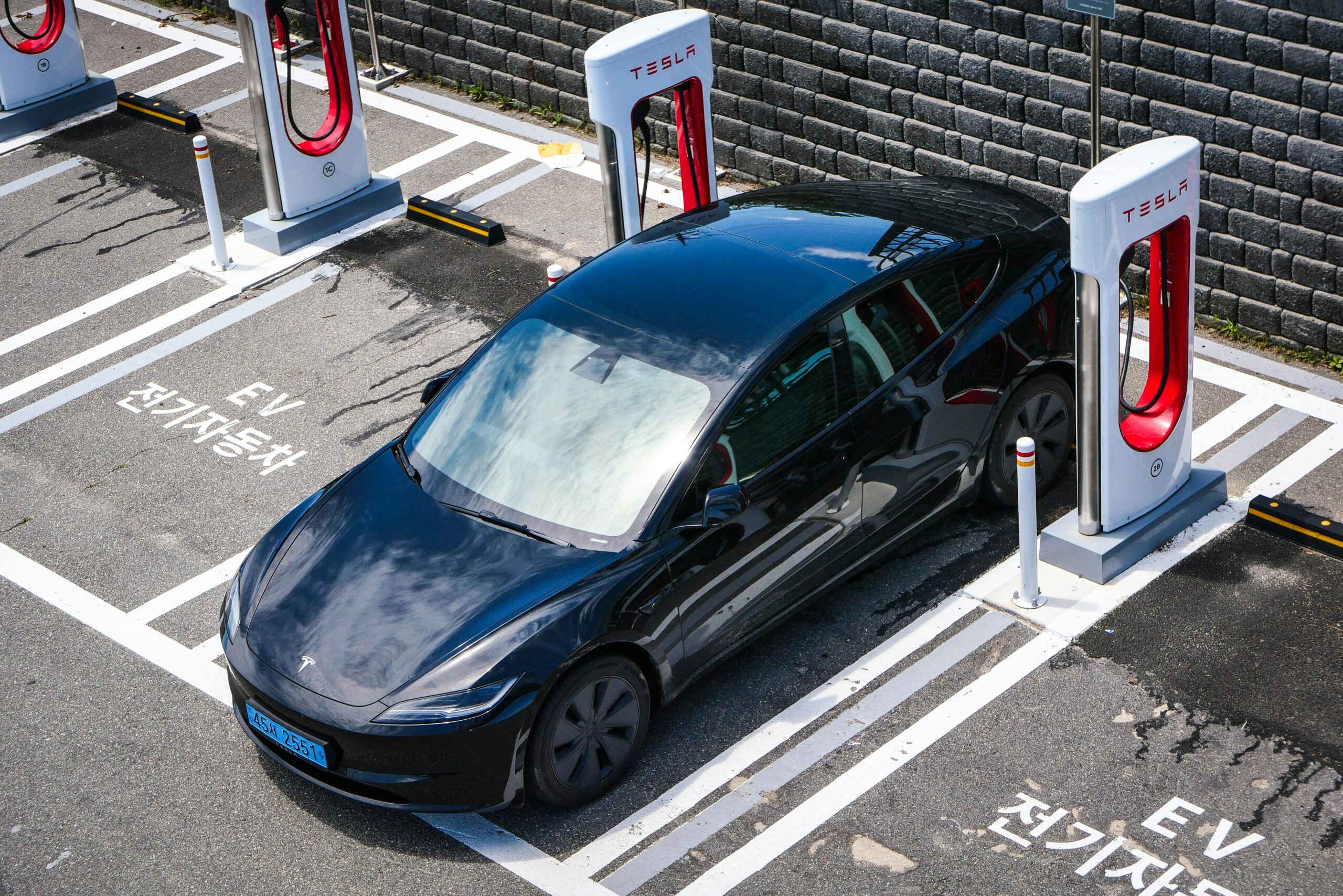
Electric Cars and Environmental Impact: Unveiling the Sustainable Future
Introduction to Electric Vehicles
In recent years, electric cars have surged to the forefront of transportation discussions, positioned as pivotal players in the quest for sustainability. As climate change concerns escalate, the shift from traditional internal combustion engine vehicles to electric vehicles (EVs) promises significant reductions in greenhouse gas emissions. This article explores the environmental impacts, benefits, and the broader implications of adopting electric cars, providing insights into why they might be the cornerstone of a sustainable future.
Understanding the Environmental Benefits of Electric Cars
Electric vehicles are acclaimed for their efficiency and reduced dependency on fossil fuels. By harnessing electricity, EVs sidestep the conventional automotive reliance on oil, leading to a substantial decrease in air pollutants. Zero tailpipe emissions mean that EVs don’t emit carbon dioxide, nitrogen oxides, or particulates while driving, which significantly lowers urban air pollution and contributes to a healthier environment.
Reduction in Greenhouse Gas Emissions
One of the most significant environmental advantages of electric cars is the reduction in greenhouse gases. Even when the emissions associated with electricity generation are considered, EVs generally produce fewer emissions than conventional vehicles. This is particularly true in regions where renewable energy sources, like solar and wind, form a substantial part of the energy mix. As the grid becomes greener, the gap in emissions between electric cars and gas vehicles widens, further enhancing the benefits of EVs.
Energy Efficiency and Resource Utilization
In terms of energy efficiency, electric cars are unmatched by combustion engines, which notoriously waste a large portion of the energy stored in fuel. Electric motors are approximately 85% efficient at converting energy from the grid to power at the wheels, while conventional vehicles are only about 20-30% efficient. Furthermore, electric vehicles can contribute to resource conservation through advancements in battery recycling processes and the reduction of rare earth elements in newer battery technologies.
Challenges and Considerations in Adopting EVs
Despite their benefits, electric cars present unique challenges that must be addressed to maximize their environmental benefits. The production of electric cars, especially the batteries, currently involves significant amounts of energy and resources, including metals like lithium, cobalt, and nickel. Responsible sourcing and recycling of these materials are crucial to mitigating the environmental impact associated with their extraction and processing.
Battery Manufacturing and Recycling
The environmental impact of battery production is a subject of ongoing research and optimization. Innovations in battery technology not only aim to improve the efficiency and lifespan of batteries but also reduce the ecological footprint of their production. Moreover, enhancing the recycling infrastructure for EV batteries can reduce the demand for raw materials, lower production emissions, and decrease waste.
Future Prospects and Technological Innovations
The future of electric vehicles is inextricably linked to technological advancements and regulatory frameworks. Innovations such as solid-state batteries, improved charging infrastructure, and autonomous driving technologies could further revolutionize the impact and usability of EVs. Governments around the world are also playing a critical role by incentivizing EV purchases, investing in renewable energy infrastructure, and setting ambitious emissions reduction targets.
Global Market Trends and Consumer Adoption
The adoption rate of electric vehicles is rapidly increasing globally, driven by both consumer demand and supportive government policies. In markets like Europe, China, and certain parts of the United States, stringent emissions regulations combined with incentives for electric car buyers have propelled the market forward. As more consumers become aware of the environmental and economic benefits of electric vehicles, a significant shift from traditional cars to EVs is expected to continue.
Conclusion: Electric Cars as Part of a Sustainable Future
Electric cars offer a promising path toward reducing automotive-related emissions, improving air quality, and leveraging renewable energy sources. While there are challenges to overcome, particularly in terms of battery production and resource use, the ongoing technological advancements and increasing global uptake of EVs are positive signs. By incorporating electric vehicles as part of a broader sustainability strategy, society can move closer to achieving a low-carbon future, marking a significant step in the battle against climate change.
Further Resources and Reading
For additional information about electric vehicles and their role in sustainable development, several authoritative sources offer comprehensive insights. Organizations like the International Energy Agency (IEA), the Electric Vehicles Initiative (EVI), and various national energy agencies provide updated reports and policy recommendations. Additionally, prospective and current EV owners might find forums and platforms dedicated to electric car technologies and user experiences helpful in making informed decisions.