Green Energy Solutions for Beginners: A Guide to Sustainable Living
Embarking on a journey toward sustainable living can often feel daunting to those new to the concept of green energy solutions. However, integrating eco-friendly practices into your daily life is not only beneficial for the environment but can also offer significant cost savings and health benefits. This definitive guide delves into beginner-friendly strategies that pave the way for a greener lifestyle and a healthier planet.
Understanding the Basics of Green Energy
Green energy refers to power sources that are environmentally friendly and non-polluting, unlike fossil fuels which emit greenhouse gases. Solar power, wind energy, hydroelectric energy, and biomass are primary examples of green energy sources. Harnessing these renewable resources can drastically reduce your carbon footprint and promote a sustainable environment.
Starting with Simple Home Modifications
One of the easiest ways to begin your green energy journey is by making simple changes at home:
Energy-Efficient Lighting
Replacing incandescent bulbs with LED lights is one of the simplest and most effective changes you can make. LEDs consume up to 90% less power and have a longer lifespan than traditional bulbs.
Smart Thermostats
Installing a smart thermostat can help significantly reduce energy consumption by automating heating and cooling schedules based on your daily routine, potentially lowering your energy bills and enhancing home comfort.
Water-Saving Fixtures
Low-flow showerheads and faucets can drastically reduce water usage without compromising performance. These fixtures are not only good for the environment but also for your wallet by reducing water bills.
Investing in Renewable Energy Systems
Solar Panels
Photovoltaic (PV) solar systems are a fantastic way for homeowners to generate their own clean electricity. Despite the initial setup cost, the return on investment is substantial, thanks to reduced electricity bills and tax incentives in many regions.
Wind Turbines
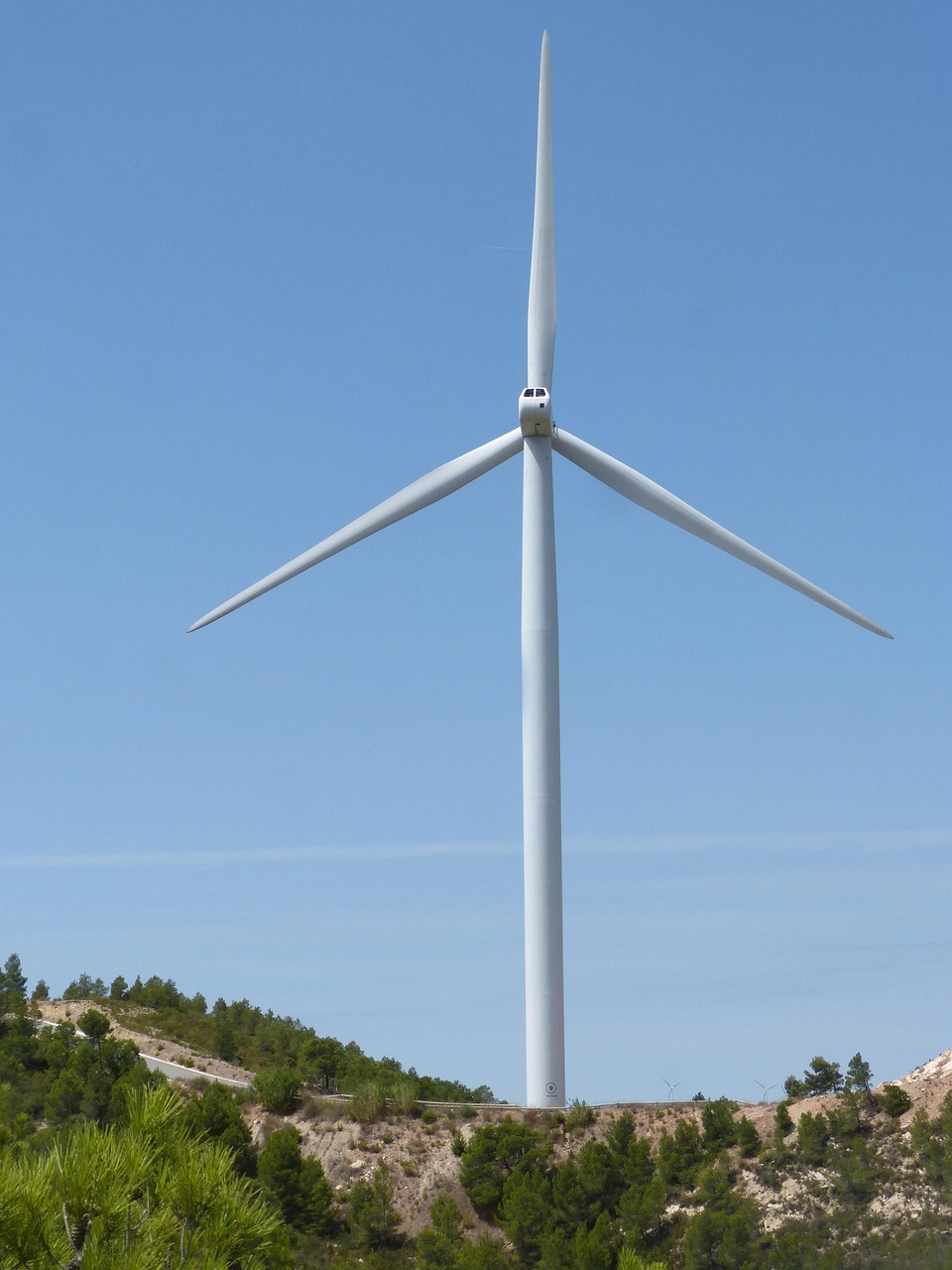
For properties in windy areas, small residential wind turbines can be an effective means of generating power. Combining wind and solar systems can also provide a more constant source of energy.
Geothermal Heat Pumps
These systems use the earth’s stable ground temperature to provide heating, cooling, and hot water at remarkably high efficiencies. While geothermal installations are more expensive upfront, their long-term savings and environmental benefits are considerable.
Choosing Green Energy Providers
If renewable energy installations are not feasible, switching to a green energy provider can be an excellent alternative. Many utilities now offer plans that source electricity from renewable energies. Opting into these programs can be an effortless way to support renewable energy industries.
Transport and Mobility
Eco-friendly Vehicles
Consider transitioning to hybrid or electric vehicles (EVs) as they emit fewer greenhouse gases and pollutants compared to conventional vehicles. Look out for government incentives that encourage the purchase of eco-friendly vehicles.
Public and Alternative Transport
Utilizing public transportation, carpooling, biking, or walking not only reduces your carbon footprint but can also decrease travel costs and improve your physical health.
Green Energy and Community Involvement
Supporting community-based projects such as local wind farms or solar panel installations can foster sustainable development in your area. Participate in community initiatives or start a group focused on promoting green practices among local businesses and homes.
Frequently Asked Questions (FAQs) about Green Energy
1. Is green energy more expensive?
Initially, some green energy solutions may require upfront investments, but they usually lead to significant savings in the long term through lower operational costs and tax incentives.
2. How do I choose the right green energy options for my home?
Consider factors such as your geographical location, budget, and energy requirements. Consulting with a green energy expert can also provide tailored insights and recommendations.
3. Can I make a difference by switching to green energy?
Absolutely. When individuals embrace green energy, it not only reduces their environmental impact but also drives demand for renewable technologies, influencing broader changes in energy policies and practices.
Conclusion
Transitioning to green energy solutions represents a proactive approach to environmental stewardship and sustainable living. By starting with small, manageable changes and gradually adopting more significant modifications, every individual can contribute to a healthier planet. Remember, the journey to sustainability is a progressive one, and every step counts.
With an ever-growing number of options and resources available, now is an excellent time for beginners to start embracing green energy solutions and paving the way for a brighter, cleaner future.