Harnessing Nature: The Efficiency Battle Between Solar and Wind Energy
Introduction to Renewable Energy Sources
In the quest for cleaner, more sustainable energy sources, solar and wind power have emerged as the front-runners. As concerns about global warming and environmental degradation escalate, both individuals and governments are increasingly investing in these technologies. But which of the two is more efficient? Understanding the nuances of solar and wind energy can help us make informed decisions for a sustainable future.
Understanding Solar Energy
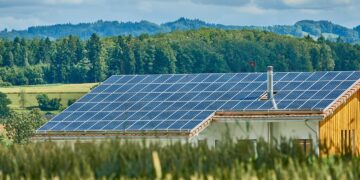
Solar energy is derived from the sun’s radiation and converted into electricity or heat using technology such as photovoltaic (PV) panels or concentrated solar power systems. The efficiency of solar panels has made significant strides over the past decade, primarily due to advances in material science and engineering improvements. According to the International Energy Agency, solar PV power is one of the fastest-growing energy technologies in the world, and its deployment is expected to set new records in the coming years.
Advantages of Solar Energy
- Ease of Installation: Solar panels can be installed on rooftops or in large fields, making them versatile for both residential and commercial properties.
- Low Maintenance Costs: Once installed, solar panels require minimal maintenance, often only needing periodic cleaning and inspection of electrical connections.
- Energy Independence: Solar energy offers users independence from the traditional power grid, providing energy security and potential cost savings on electricity bills.
Limitations of Solar Energy
- Weather Dependency: Solar energy production is directly affected by weather conditions, particularly cloud cover and shorter daylight hours in winter months.
- Storage Costs: To ensure a consistent power supply, especially during nighttime and overcast days, stored energy in batteries is necessary, which can be expensive.
Exploring Wind Energy
Wind energy, on the other hand, utilizes the flow of atmospheric air to power turbines, which in turn create electricity. It has been used for hundreds of years in various forms but has significantly scaled up in recent decades to serve large-scale energy demands. Wind farms can be located on land or offshore, which dramatically affects their installation and maintenance dynamics.
Advantages of Wind Energy
- Cost-Effectiveness: Once a turbine is erected, the operational costs associated with extracting energy from the wind are remarkably low compared to conventional energy sources.
- Large-Scale Generation Potential: Wind farms can generate vast amounts of electricity, suitable for industrial applications and providing power to grids.
- Low Environmental Impact: Besides land use, wind energy produces no greenhouse gas emissions during operation, contributing positively towards combating climate change.
Limitations of Wind Energy
- Geographic Dependency: Effective wind energy generation is highly dependent on location. Areas with the most wind power potential are often remote, requiring significant infrastructure investment for energy transmission.
- Noise and Visual Impact: Wind turbines are sometimes criticized for the noise produced and their visual impact on the landscape.
Comparative Efficiency: Solar vs. Wind
The efficiency of solar versus wind energy can vary greatly depending on geographic location and technology used. Generally, wind turbines operate with an efficiency rate of 30-50%, depending on wind conditions. Solar panels typically convert about 15-22% of solar energy into usable electricity.
However, solar panels can produce energy at a broader scale of locations than wind turbines, which require specific wind conditions to be cost-effective. The global capacity factor—a measure of an energy source’s actual output compared to its potential output if it operated at full capacity—is higher on average for wind turbines (around 34%) compared to solar (around 25%), indicating more consistent production in suitable locations.
Economic and Environmental Impact
Both wind and solar energy have different economic and environmental impacts. Installation costs for solar systems have dropped by over 70% in the last decade, making it more accessible to a wider audience. Wind energy requires a higher initial investment but promises a faster rate of return in windy regions.
Environmentally, while both technologies are green, the manufacture, transportation, and disposal of solar panels and wind turbines involve carbon emissions and other environmental challenges like habitat disruption, though these impacts are minimal compared to fossil fuels.
Conclusion
The choice between solar and wind energy often comes down to specific local factors including climate, topology, and the infrastructural costs involved. While both offer substantial efficiency and environmental benefits compared to conventional energy sources, integrating both into the energy mix might be necessary to ensure a steady, reliable, and clean energy supply in the quest towards total sustainability.
As research continues and technology improves, the efficiency battle between these two titans of renewable energy is sure to intensify, offering exciting opportunities for innovations that will further shape the landscape of global energy consumption.
FAQs
- Which is more efficient, solar or wind energy? Efficiency depends on conditions such as location and technology advancements. Generally, wind is more efficient in suitable locations.
- Are solar panels or wind turbines more expensive? Initial costs for wind turbines are higher, but the cost of solar panels has decreased significantly, making them more competitive.
- Can solar and wind energy completely replace fossil fuels? While it is challenging to completely replace fossil fuels currently, integrating solar and wind energy into the existing infrastructure significantly reduces dependence on non-renewable resources.