Simple Changes to Your Daily Routine: How to Reduce Your Carbon Footprint
Concern about climate change and environmental degradation is growing, and many are wondering how they can make a difference. The solution often begins on an individual level, with simple alterations to our everyday habits. By making minor yet impactful changes to your daily routine, you can significantly reduce your carbon footprint—the total amount of greenhouse gases you personally contribute to the atmosphere. In this guide, we’ll explore practical and accessible ways to live more sustainably, lessening your environmental impact without sacrificing your lifestyle.
Understanding Your Carbon Footprint
The term “carbon footprint” denotes the sum of all emissions of CO2 (carbon dioxide), which were induced by your activities in a given time frame. Usually, a carbon footprint is calculated for the time period of a year. It includes various factors, from the electricity you use in your home, to the mode of transportation you choose.
Why Does It Matter?
Your individual carbon footprint might seem insignificant in the global landscape, but when millions of people make a concerted effort to reduce theirs, the cumulative effect can be tremendous. Understanding and taking responsibility for your personal emissions is the first step towards a larger, collective change.
Effective Lifestyle Adjustments
Making a few changes to your daily routine can go a long way towards reducing your carbon footprint. Here’s how you can start:
1. Opt for Public Transport or Carpooling
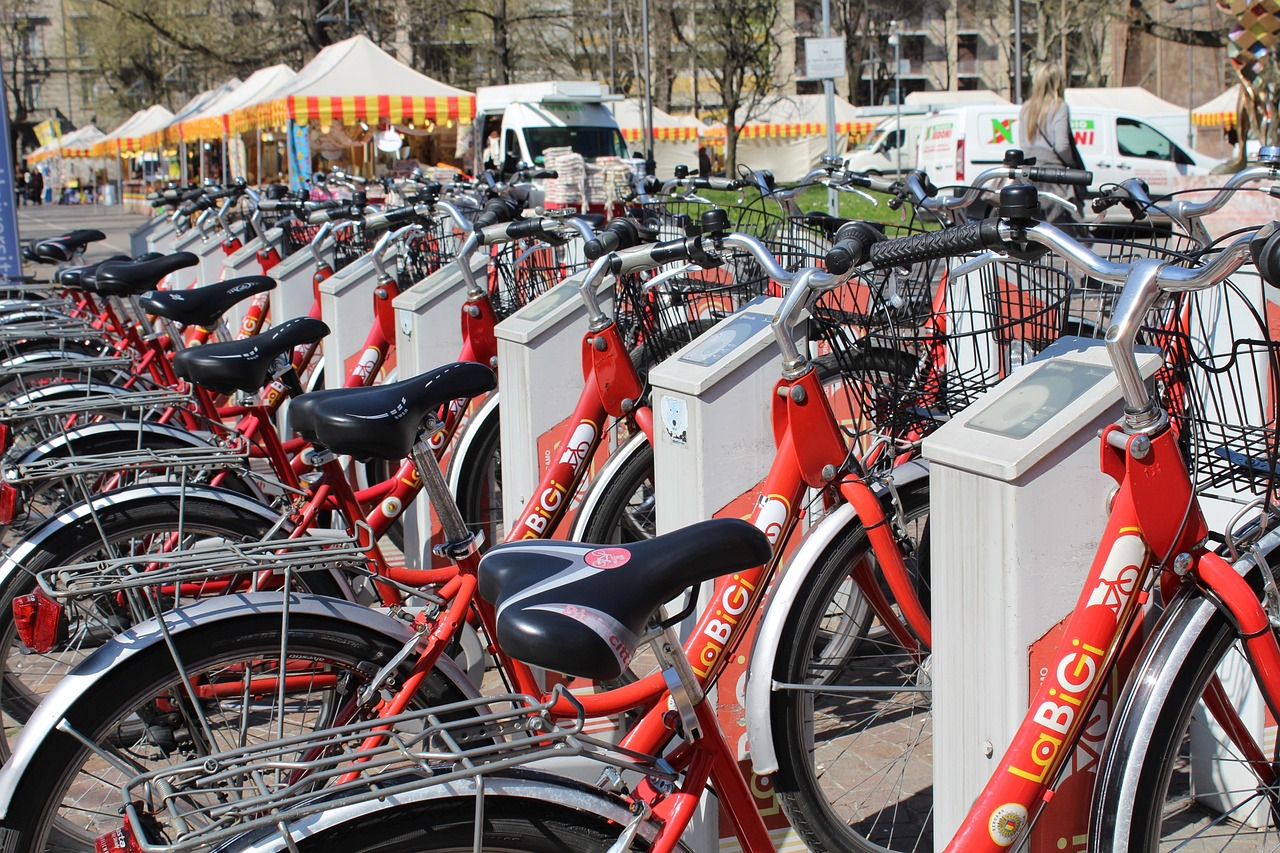
Transportation is one of the largest sources of CO2 emissions worldwide. You can cut down on these emissions significantly by opting for public transportation, carpooling, biking, or walking instead of driving solo. For example, switching to public transit can save approximately 0.6 pounds of CO2 for every mile when compared to driving alone.
2. Reduce, Reuse, Recycle
The three R’s: Reduce, Reuse, Recycle, are pivotal in minimizing waste and conserving resources. By reducing what you use, reusing products, and recycling items appropriately, you not only cut down on waste but also decrease the need for production which in turn reduces pollution and energy consumption.
- Reduce: Opt for buying bulk to minimize packaging, and choose products that have less environmental impact.
- Reuse: Use items multiple times and repurpose others where possible. For example, glass jars can be cleaned and used for storage.
- Recycle: Participate in local recycling programs and make sure to separate your waste as required.
3. Streamline Your Energy Consumption
Whether it’s heating, cooling, lighting, or appliances, inspecting how you consume energy can significantly cut your carbon footprint. Consider these easy steps:
- Switch to energy-efficient light bulbs like LEDs.
- Unplug devices when they’re not in use or invest in smart power strips.
- Use appliances responsibly, utilizing economical settings and repairing instead of replacing whenever possible.
4. Support and Buy Local
Goods produced locally often have a much lower carbon footprint than those that are shipped across the globe. By purchasing locally, not only do you support your local economy, but you also reduce transportation emissions. Similarly, eating seasonal products can cut down on the energy required to grow and transport food items.
5. Modify Your Diet
Meat and dairy production is pretty resource-intensive. Reducing your meat consumption, particularly beef and lamb, can have a marked impact on your carbon footprint. Engaging in “Meatless Mondays” is a good way to start this change.
Fostering Sustainable Habits
While individual actions may seem small, when multiplied across communities, they can lead to significant environmental benefits. A sustainable lifestyle not only helps in reducing your carbon footprint but also sets a precedent for future generations.
Engaging with Community and Policy
While personal changes are crucial, supporting broader environmental policies and community initiatives can amplify your impact. Engage with local environmental groups, support green policies from businesses and governments, and educate others about the benefits of reduced carbon footprints.
Continuous Learning and Improvement
Sustainability is not a static goal but a continuous journey. Stay informed about new technologies, strategies, and habits that can help you further decrease your ecological footprint. Remember, every small change contributes to a larger cause.
Conclusion
Reducing your carbon footprint through simple daily modifications is a vital step toward a sustainable future. By adopting more environment-friendly habits, you not only contribute to the health of our planet but also encourage a culture of mindfulness and responsibility. Start small, think big, and inspire others around you to join in the effort. Together, we can make a significant difference.