Unveiling the Link: How Deforestation Is Accelerating Climate Change
The eerie sound of chainsaws shredding through lush greenery and the thunderous falls of ancient trees might seem distant, but the effects of deforestation are closer to us than we often realize. The intricate link between deforestation and climate change is both profound and alarming, affecting every corner of the planet.
Understanding the Basics
What is Deforestation?
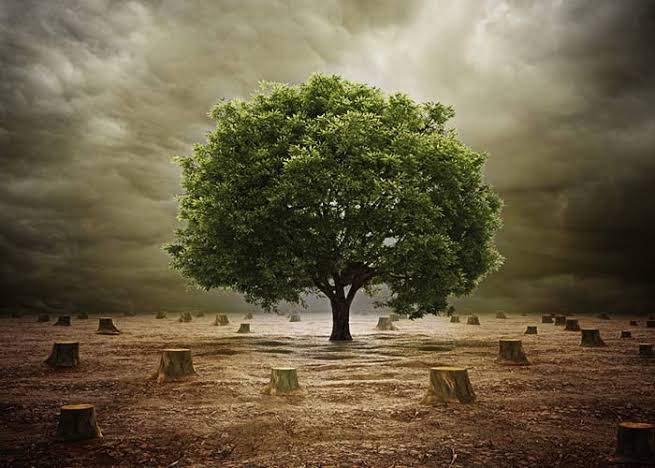
Deforestation refers to the large-scale removal of forest land, typically to make way for agriculture, urbanization, or logging. The immediate visual of barren lands might be striking, but the invisible changes to the global climate system are even more significant and concerning.
Why Should We Care About Climate Change?
Climate change encompasses global temperature increases, erratic weather patterns, and a host of other environmental shifts. These changes stem from rising levels of greenhouse gases like carbon dioxide (CO2) in Earth’s atmosphere, primarily due to human activities such as burning fossil fuels and deforestation.
The Direct Impact of Deforestation on Climate Change
Carbon Storage: Forests as Carbon Sinks
Forests act as carbon sinks; they absorb CO2 from the atmosphere and store it. When trees are cut down, not only does this carbon-absorbing capacity plummet, but the carbon stored in trees is released back into the atmosphere, adding to the greenhouse effect that warms the planet.
Decrease in Oxygen Production
Through photosynthesis, trees convert CO2 into oxygen. Reduced forest areas mean not only more CO2 left in the atmosphere but also less oxygen production. This double-edged sword exacerbates the atmospheric imbalance contributing to climate change.
Widening the Lens: Broader Ecological Disruptions
Effects on Biodiversity
Forests are vibrant ecosystems, home to over 80% of terrestrial biodiversity. Deforestation leads to habitat loss, threatening countless species with extinction. This loss of biodiversity affects ecosystem stability, reducing nature’s resilience to environmental stresses, including climate extremes.
Alteration of Water Cycles
Forests play a crucial role in water cycles by regulating water flow and sustaining river systems. Their destruction disrupts these cycles, leading to issues like droughts in some areas and floods in others, further influenced by climate change dynamics.
Seeing the Bigger Picture: Economic and Social Impacts
Economic Consequences
While deforestation might seem economically beneficial in the short term—opening land for agriculture and providing wood—it undermines long-term sustainability. The resultant climate change can destroy crops, degrade soil, and increase the frequency of severe weather events, impacting economies profoundly.
Social Repercussions
The implications of deforestation-driven climate change stretch into the social realm, particularly for indigenous and rural communities who depend on forests for their livelihoods. As forests dwindle, these communities face economic hardship, displacement, and loss of cultural heritage.
Turning Knowledge into Action
How Can We Combat Deforestation?
Addressing deforestation requires concerted global action. Promoting sustainable land management, enforcing stricter logging regulations, and supporting reforestation and afforestation efforts are vital. Every individual can contribute by supporting eco-friendly products, adopting a more sustainable lifestyle, and raising awareness about these issues.
The Role of Technology and Innovation
Innovative solutions like drone reforestation, smart agriculture, and blockchain for transparent supply chain management are helping combat deforestation and mitigate its impact on climate change. These technologies promise a greener future if adopted widely and effectively.
Conclusion: A Call to Action
The link between deforestation and climate change is undeniable and devastating. However, with informed actions and persistent efforts, we can address this issue. It starts with understanding and accepting the magnitude of the problem and then stepping forward to become part of the solution. Each tree saved, each acre preserved, each conscious decision made adds up. We have the power to shape the future of our planet, and the time to act is now.