Understanding the Signs of Global Warming: A Complete Guide
Global warming, a term that spells change for our planet, affects everyone—from ice caps thousands of miles away to the backyard in your own neighborhood. In this guide, we’ll explore the signs of global warming, understand its impacts, and discuss why it’s crucial for each of us to be aware and take action.
What is Global Warming?
Simply put, global warming refers to the gradual increase in the Earth’s average surface temperature due to excess greenhouse gases in the atmosphere. These gases, like carbon dioxide and methane, act like a blanket, trapping heat from the sun and warming the planet. This warming is a key part of what is known as climate change, which encompasses a broader range of environmental changes.
Key Signs of Global Warming
To truly grasp the breadth of global warming, we must observe the multiple signals our planet gives us. These signs are evident in the air, land, water, and even life on Earth.
1. Rising Temperatures
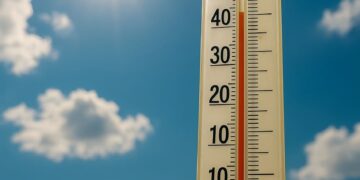
The most direct sign of global warming is the increase in global temperatures. Over the past century, the average global temperature has increased by about 0.8 degrees Celsius (1.4 degrees Fahrenheit). This may sound small, but even slight changes in average temperature can lead to significant and severe weather patterns and climate effects.
2. Melting Ice
Arctic ice is dwindling at an alarming rate. Each summer, the amount of ice that melts is generally more than what freezes in winter, leading to glaciers retreating worldwide. This not only affects wildlife dependent on ice but also increases sea levels, which can lead to flooding in coastal regions.
3. Increased Extreme Weather Events
The intensity and frequency of extreme weather events, such as hurricanes, heatwaves, and heavy rainfall, have increased. These events can be devastating, causing loss of life and significant damage to infrastructure and ecosystems.
4. Changing Wildlife Patterns
Climate change disrupts the natural habitats of many species, forcing them to migrate and adapt to new conditions if they survive. Some species are becoming endangered or extinct because they cannot adapt quickly enough to the changing climates.
Why Should We Care?
The impact of global warming extends beyond environmental degradation. It affects our health, our homes, our food, and our safety. By understanding and acting on global warming, we can protect not just the planet but also our future.
Impact on Human Health
Increased temperatures and extreme weather can lead to health crises, such as heat strokes, increased incidence of respiratory disorders, and diseases transmitted through water and insects. Air quality is compromised, and allergies are worsened by the longer pollen seasons and increased pollen production associated with global warming.
Impact on Our Homes and Communities
Rising sea levels could displace millions of people living in low-lying areas, making them environmental refugees. Severe weather events like hurricanes and floods not only destroy homes but can also lead to financial and emotional distress.
Safety and Food Security
Extreme weather threatens safety and can devastate crops, leading to food shortages and increased prices. Droughts reduce water availability, impacting agriculture and drinking water supplies, leading to conflicts and social unrest.
How Can We Help?
Understanding global warming empowers us to take steps to mitigate its impact. Each action, no matter how small, contributes to a larger change.
Reduce Carbon Footprint
We can start by reducing our carbon footprint. This means making smarter choices in everyday activities—like using public transportation, reducing waste, recycling, and conserving electricity and water.
Support Clean Energy
Investing in clean energy sources such as solar, wind, and hydroelectric can reduce reliance on fossil fuels, which are a major contributor to global warming. Encourage local leaders to support these initiatives at a community level.
Educate and Spread Awareness
Stay informed about climate issues and educate others. Awareness creates a stronger collective action. Schools and communities can engage in programs and initiatives that promote environmental awareness.
Conclusion: Every Step Counts
Each small step we take towards understanding and acting against global warming can lead to significant changes. By staying informed and proactive, we’re not just saving our environment; we’re building a better future for the next generations. Let’s take responsibility for our planet together—turn awareness into action, and the tides can begin to change.
Remember, global warming is not just a prediction; it is happening now. The signs are clear, and the time to act is today. Let’s work together to make our planet a better place.