Surviving the Surge: How Global Warming’s Effects on Humans Are Shaping Our Future
As temperatures rise globally, the effects of global warming are becoming ever more apparent and impactful on our everyday lives. Understanding and addressing these effects is not just about conserving nature, but crucially about safeguarding human life and reshaping our future. In this article, we’ll explore the multifaceted impacts of global warming on human health, economies, and communities, providing practical advice on how we can adapt and thrive in a warming world.
Understanding Global Warming and Its Direct Human Impacts
Global warming, primarily driven by the increase in carbon dioxide and other greenhouse gases in the Earth’s atmosphere due to burning fossil fuels, deforestation, and other human activities, affects the planet in numerous ways. These include rising temperatures, changing weather patterns, and increased frequency of extreme weather events.
Health Challenges
One of the most immediate effects of global warming on humans is health-related issues. Increased temperatures can lead to heat exhaustion, heatstroke, and aggravate chronic conditions like cardiovascular and respiratory diseases. Moreover, warmer climates favor the breeding of pathogens and vectors like mosquitoes, resulting in the spread of diseases such as malaria and dengue fever.
Economic Impact
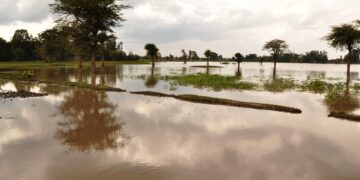
Economically, global warming can be devastating. Extreme weather events such as hurricanes, floods, and droughts can destroy infrastructure, disrupt industries, and lead to financial insecurity. Agriculture, one of the most affected sectors, faces enormous challenges due to altered rainfall patterns and extreme temperature, impacting food security globally.
Community Disruption
Communities, particularly those in vulnerable areas like coastal regions and drought-prone zones, face displacement and loss of livelihood. Rising sea levels and extreme weather force people to migrate, creating climate refugees, and intensifying urban crowding and resource depletion in safer areas.
Strategies for Individuals and Communities to Adapt
While the situation is grave, there are numerous strategies and innovations that can help individuals and communities adapt to these changes.
Building Climate Resilience
Building resilience against climate change involves preparing for the predictable and safeguarding against the unforeseen. This includes constructing weather-resistant infrastructure, diversifying crops to those that can withstand altered growing conditions, and implementing water-saving techniques to combat drought.
Adopting Sustainable Practices
Individually, adopting more sustainable lifestyle choices can have a profound cumulative effect. This involves reducing energy consumption, using public transport or carpooling to lower carbon emissions, and supporting local products to reduce the carbon footprint associated with their transportation.
Community-Based Solutions
Community action can provide a broad range of solutions. Establishing local disaster preparedness programs, sharing resources and information, and building communal alternative energy projects can amplify individual efforts. Community gardens, for instance, not only help reduce food miles but also enhance food security and community cohesion.
Policy and Global Action
While individual and community actions are crucial, substantial change must occur at the policy and international levels to mitigate the effects of global warming.
Advocating for Policy Change
Advocacy for environmental policies to reduce greenhouse gas emissions is essential. This can involve supporting initiatives for renewable energy, conservation efforts, and international agreements that aim to limit global temperature rise, such as the Paris Agreement.
Leveraging Technology
Innovation in technology offers hopeful prospects for combating global warming. Advances in renewable energy technologies, such as solar and wind, and carbon capture and storage (CCS) technologies could significantly reduce our carbon footprint if widely implemented and supported by governmental policies and investments.
Making It Personal: How You Can Help
Understanding the impacts of global warming can be overwhelming, yet actionable steps can be integrated into our daily routines that contribute to the broader fight against climate change.
Inform and Educate
Stay informed about global warming and educate those around you. Knowledge is a powerful tool that can inspire further action and advocacy.
Reduce, Reuse, Recycle
Implement the three Rs in daily life — reduce waste, reuse resources, and recycle materials. Simple actions like reducing water usage, using reusable shopping bags and recycling waste can make a difference.
Support Sustainable Businesses
Choose to support businesses that are environmentally responsible. Patronizing local businesses and those with sustainable practices helps reduce your carbon footprint and encourages more businesses to adopt green practices.
Conclusion: A Call to Action
Global warming presents a formidable challenge, but it also offers an opportunity to innovate and adapt in ways that ensure a sustainable and equitable future for all. By taking individual actions, advocating for effective policies, and supporting community efforts, we can collectively mitigate the effects of global warming and secure a resilient future. The time to act is now; every effort counts in our journey towards sustainability and resilience against climate change.