Unveiling the Impact: Global Warming’s Effect on Diverse Wildlife Populations
Global warming is more than just a buzzword; it is a complex environmental issue that poses significant threats to our planet, particularly concerning the survival of diverse wildlife populations around the world. This disturbance in our ecosystem affects not just the animals themselves but also the balance of entire natural habitats. Let’s dive into an exploration of how rising temperatures and related changes impact wildlife, providing insights that are actionable, and fostering a deeper understanding and appreciation for the natural world.
What is Global Warming?
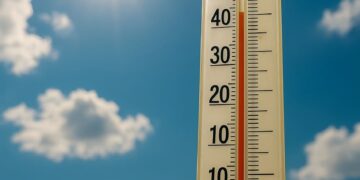
Before we delve into the specifics, let’s clarify what global warming really entails. Global warming refers to the ongoing increase in Earth’s overall temperature, primarily caused by the emission of greenhouse gases like carbon dioxide and methane. These gases trap heat in the atmosphere, which leads to various changes in the climate that can be harmful to living creatures.
How Does Global Warming Affect Wildlife?
Global warming can alter the natural environment of countless species, affecting their survival in several ways:
1. Loss of Habitat
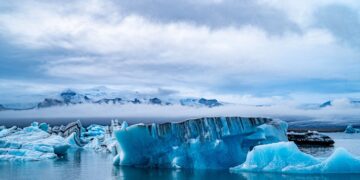
The melting of ice caps and glaciers and the rising sea levels are perhaps the most dramatic effects of global warming. This leads to the loss of habitat for polar bears, seals, and other Arctic wildlife, which rely on ice for essential activities like breeding, hunting, and resting.
2. Changes in Food Sources
As temperatures rise, the natural feeding patterns of many animals shift. Some species may find it difficult to source food if their primary sources diminish or migrate to cooler areas. For example, birds that rely on specific insects may struggle if these insects move to different areas due to changing climate conditions.
3. Disruption of Breeding Patterns
Many species breed based on seasonal changes. However, with the seasons becoming more unpredictable due to global warming, these patterns can be disrupted. This leads to lower birth rates and, in some cases, species decline.
4. Increased Vulnerability to Diseases
Warmer temperatures can also increase the prevalence of certain diseases. Wildlife may face new health threats as pathogens that were previously confined to specific temperature ranges begin to spread.
Endangered Species at Risk
Global warming affects numerous species globally, but some are more at risk than others. For instance:
Polar Bears
As ice habitats continue to shrink, polar bears are often cited as one of the most iconic examples of wildlife threatened by global warming. These majestic creatures depend on sea ice to hunt seals, and without it, their ability to find sufficient food is greatly reduced.
Marine Turtles
The rising temperatures impact marine turtles in multiple ways, notably through the warming of the sands where they lay their eggs. The temperature of the sand determines the sex of the hatchlings, with warmer sands producing more females, thus potentially skewing population dynamics.
Coral Reefs
Often referred to as the rainforests of the sea, coral reefs are critically affected by warming sea temperatures. Bleaching events, which occur when coral expels the algae living in their tissues due to stress caused by warm water, threaten their survival, disrupting ecosystems for various marine species.
What Can We Do to Help?
Understanding global warming’s implications is crucial, but taking action is even more critical. Here are ways we can all help mitigate these effects:
Reduce Carbon Footprint
Individual actions such as reducing vehicle emissions, conserving energy at home, and supporting sustainable products can collectively make a significant impact.
Support Conservation Efforts
Many organizations work tirelessly to protect wildlife. Supporting them through donations or volunteer work can contribute to their efforts in wildlife conservation.
Educate Others
Sharing knowledge about the effects of global warming with friends and family might inspire others to join in on the effort to help mitigate these adverse effects.
Conclusion
Global warming is not an isolated problem but a pervasive issue impacting wildlife populations worldwide. By taking informed actions and advocating for policies that protect our planet, we can help ensure a future where wildlife thrives in harmony with our changing global climate. Together, we can turn awareness into action, contributing to preserving these magnificent creatures and the beauty of nature for future generations.