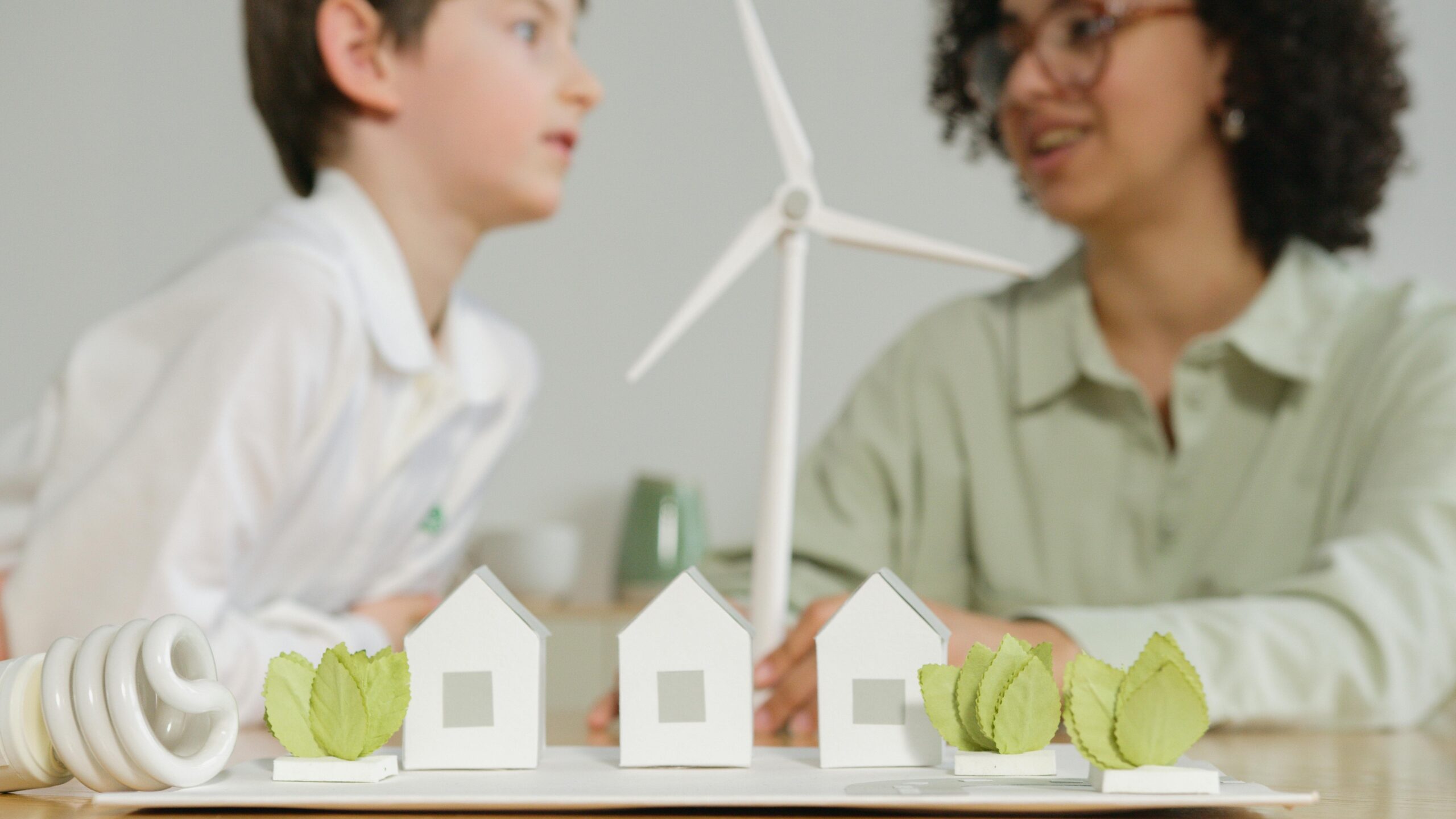
Exploring the Innovative Future of Green Buildings: Trends and Technologies
The push towards sustainability has ushered in a new era in the construction sector, significantly impacting how we design and construct buildings. Green buildings are not just a trend—they represent the future of architecture and construction. With technologies evolving rapidly, the potential for reducing carbon footprints and enhancing building efficiency is vast. In this article, we will delve into the current trends and technologies shaping the future of green buildings and how they might change our environment and lifestyle.
Understanding Green Buildings
Before diving into the details, let’s define what a green building is. A green building is designed to reduce the overall impact on human health and the natural environment through efficient use of energy, water, and other resources. Furthermore, such buildings promote recycling and the use of renewable energy sources, and they aim to improve air and water quality, along with ensuring eco-friendly material usage.
Importance of Green Buildings
The significance of green buildings extends beyond environmental preservation. Such establishments also offer economic and social benefits, including reduced energy costs, improved occupant health, and greater attraction of homebuyers and renters. Energy-efficient homes and workplaces mean lower utility bills and fewer greenhouse gas emissions, contributing directly to the mitigation of climate change.
Trends in Green Building
Net-Zero Energy Buildings
One of the most significant trends in green construction is the development of net-zero energy buildings. These structures produce as much renewable energy as they consume, leaving a net-zero energy consumption annually. Achieving this balance may involve solar panels, wind turbines, and other renewable energy sources integrated with highly efficient building designs and technologies.
Smart Green Buildings
Another emerging trend is the rise of smart green buildings, which utilize advanced IoT (Internet of Things) technologies to optimize energy use and maintain indoor environment quality. Smart sensors and meters monitor everything from energy consumption to air quality, automatically adjusting the building’s operations to improve efficiency and comfort.
Innovative Technologies Powering Green Buildings
Photovoltaic Glass
One of the exciting technologies in green buildings is photovoltaic glass, which turns windows into solar panels. This revolutionary technology not only helps with producing energy but also maintains transparency, allowing for natural light and visibility similar to traditional glass.
Geothermal Heating and Cooling
Geothermal technology is used for heating and cooling while significantly reducing energy use. This system works on the principle of earth’s stable underground temperature to heat or cool a building, offering a sustainable and efficient alternative to conventional methods.
Green Roofs and Walls
Green roofs and walls not only enhance a building’s aesthetics but also provide excellent insulation, reduce water runoff, and help combat the heat island effect in urban areas. They create extra green spaces that can be used for gardening, leisure, or agriculture.
Examples of Green Building Initiatives
Edge Amsterdam
Edge Amsterdam, known as the greenest building in the world, boasts an astonishing 98.4% score from BREEAM (Building Research Establishment Environmental Assessment Method). This smart office building uses natural light optimally, has a rainwater-flushing system, and is equipped with solar panels making it energy neutral.
Bullitt Center
Located in Seattle, the Bullitt Center is another exemplary green building. It operates completely on solar energy and has its water system and sewage treatment facility, setting a prime example of sustainable building practices.
How To Promote Green Building Practices
Promoting green building practices requires efforts from individuals, communities, and governments. Incentivizing green practices through subsidies and tax benefits, spreading awareness about the advantages of green buildings, and adopting stricter construction codes are just a few measures that can encourage the adoption of green architecture.
For individuals, simple steps like choosing energy-efficient appliances, supporting local sustainable construction projects, or consulting with green-building certified architects for new constructions can make a difference.
Conclusion: A Greener Future
The future of green buildings is not only innovative and exciting but also crucial for sustainable development. Through continuous advancements in technology and increased public awareness and governmental support, the transformation towards fully sustainable architecture can be achieved. As we forge ahead, let us all play our part, big or small, in shaping a healthier environment through smarter, greener building practices.