How Global Warming Is Shaping Our Future: Essential Facts for Students
As the globe heats up, so does the need for us to understand the serious impact of global warming. With implications for ecosystems, human safety, and our economies, understanding this global challenge is crucial for today’s students who will become tomorrow’s policymakers, scientists, and informed citizens.
The Science Behind Global Warming
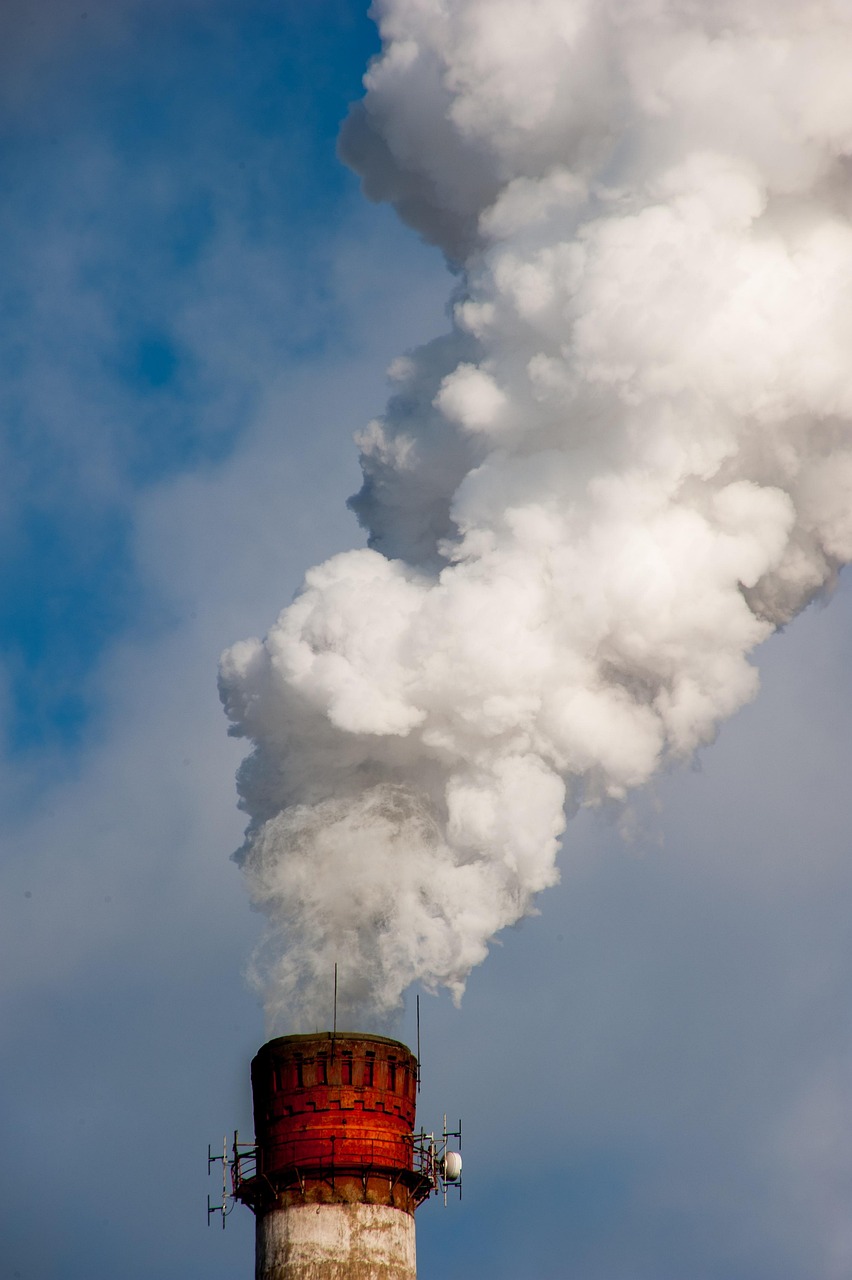
At its core, global warming refers to the earth’s rising surface temperatures, largely due to the increased emissions of greenhouse gases like carbon dioxide, methane, and nitrous oxide. These gases trap heat in the earth’s atmosphere, leading to what is known as the greenhouse effect. This natural process is essential for life on Earth because it keeps our planet warm enough to sustain life. However, human activities, particularly industrialization and deforestation, have exacerbated this effect, leading to higher temperatures.
Greenhouse Gases and Their Sources
The major contributors to greenhouse gas emissions are the burning of fossil fuels for electricity, heat, and transportation, along with certain practices in agriculture and deforestation. When forests are cleared, the stored carbon is released as carbon dioxide, which is the most prevalent greenhouse gas.
How Temperatures Have Changed
Over the past century, average global temperatures have increased by about 0.8 degrees Celsius (1.4 degrees Fahrenheit). This might not seem like much, but even slight increases in temperature can lead to significant changes in weather patterns and sea levels.
Impacts of Global Warming
The effects of global warming are vast and touch different parts of life on Earth.
Weather Patterns
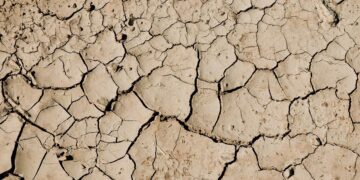
Increased temperatures can lead to more intense and frequent heatwaves, disrupt rainfall patterns, and lead to severe hurricanes and storms. These changes not only pose a risk to human lives but also affect agricultural productivity and water availability.
Rising Sea Levels
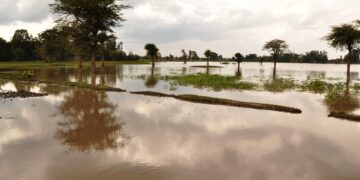
As polar ice melts and warmer water expands, sea levels rise, which can erode coasts, cause coastal flooding, and threaten the habitats of marine and terrestrial species, including humans. Cities near coasts are particularly vulnerable, with global hotspots such as Miami and Shanghai at risk of severe impacts.
Ecological Disruptions
Warmer temperatures have shifted wildlife populations and habitats, leading to mismatches in ecological timing, which can disrupt food webs. For example, if flowers bloom earlier than usual, the pollinators they depend on might not be available, leading to declines in both plant and insect populations. Such disruptions can cascade through ecosystems, leading to diminished biodiversity.
What Can Be Done?
Addressing global warming requires wide-scale action across various sectors. Students can play a significant role in this combat. Here’s how:
Education and Awareness
Understanding the causes and effects of global warming is the first step toward mitigation. As students, learning about sustainable practices and being informed can equip you to make better choices and potentially influence others.
Advocacy and Leadership
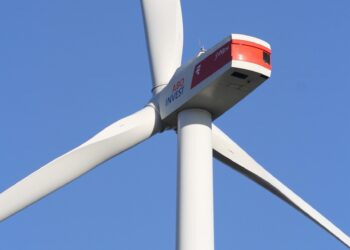
You can engage in or start campaigns to reduce carbon footprints at schools or local communities. By advocating for renewable energy use, sustainable transport, and waste reduction, you can help steer societal change.
Political Engagement
Supporting policies that mitigate global warming can make a big difference. This can range from voting (when eligible) to supporting campaigns or legislators who prioritize the environment.
Innovation and Careers
As future professionals, considering careers in renewable energies, climate science, or sustainable urban planning can directly contribute to mitigation strategies. Innovations in technology will be crucial to addressing the challenges posed by climate change.
Making a Difference Every Day
Every small action counts when it comes to global warming. You can reduce your carbon footprint by simple acts such as recycling, minimizing waste, using energy-efficient appliances, and reducing car travel. School projects and family initiatives, like planting trees or setting up a composting system, not only help the environment but also raise awareness among peers and communities.
Conclusion: A Call to Action
Understanding global warming is more than an academic exercise; it’s a crucial piece of knowledge for making informed decisions that will determine the future of our planet. Students have the unique potential to change habits, innovate solutions, and advocate for a healthier environment. By taking action today, you can ensure a sustainable world for yourself and future generations.