Unveiling the Secrets: Why Renewable Energy is Important for Economic Growth
As the world increasingly seeks sustainable solutions to meet its energy needs, renewable energy sources like solar, wind, and hydropower are taking center stage. These so-called ‘green’ energy options are not just good for the planet—they’re also powerful engines for economic growth. In this article, we’ll explore exactly why renewable energy is such a pivotal player in the global economy, address common questions, and offer practical examples of its economic benefits.
The Link Between Renewable Energy and Economic Growth
At first glance, the connection between renewable energy and economic growth might not be obvious. But, delve a little deeper and it becomes clear that the benefits of renewables extend far beyond reducing carbon emissions.
Job Creation
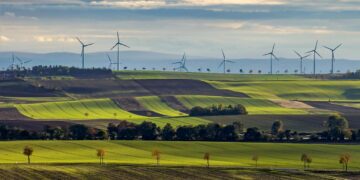
Renewable energy projects—be it a sprawling wind farm or rooftop solar panels—are labor-intensive. They require a multitude of skilled and unskilled workers, creating a myriad of jobs. For instance, according to the International Renewable Energy Agency (IRENA), the renewable energy sector employed around 12 million people worldwide as of 2020, and these figures are expected to increase as more countries adopt green energy solutions.
Enhancing Energy Security
Renewable energy reduces dependency on imported fuels, which can fluctuate wildly in price and availability. By investing in local wind, solar, and hydro resources, countries can stabilize their energy supplies and prices, contributing to economic stability and growth.
Innovation and Technology Development
The renewable energy sector drives technological innovation. To make renewable energy more efficient and cost-effective, constant research and development are necessary. This need for innovation stimulates growth in high-tech industries, potentially leading to breakthroughs applicable in other sectors.
Economic Benefits in Action: Real-World Examples
Seeing the economic impact of renewable energy in real-world scenarios underscores its importance. Below are some examples where renewables have significantly contributed to economic growth.
China: A Global Leader in Renewables
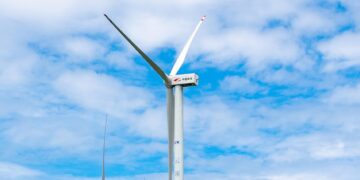
China is an excellent example of renewable energy driving economic growth. By focusing heavily on manufacturing solar panels and wind turbines, China has not only drastically reduced the costs of these technologies globally but has also established itself as a leader in the renewable hardware industry. This shift has created millions of jobs and has spurred economic growth at a local and global scale.
Germany: Energiewende and Economic Success
Germany’s energy transition, known as the ‘Energiewende’, aims to switch from coal and nuclear power to renewable energy. This ambitious move has made Germany a pioneer in renewable energy technologies, fostering a significant number of technological innovations and giving rise to thousands of new companies in the renewable sector. This has not only strengthened Germany’s economy but also placed it at the forefront of the global shift toward sustainable energy.
Addressing Common Questions
Isn’t Renewable Energy Too Expensive?
While it’s true that renewable energy technologies might have high initial costs, the long-term savings are substantial. Renewables such as solar and wind have minimal maintenance and operational costs, and the fuel (sunshine and wind) is free. Moreover, as technology advances, the costs are continually decreasing, making renewables more competitive with conventional energy sources.
Can Renewables Really Meet Our Energy Demands?
Yes, with ongoing advancements in technology and increased capacity, renewables can meet and even exceed our energy demands. Countries like Portugal and Costa Rica have successfully powered their entire nations on renewable energy for extended periods, proving that a transition to renewables is both feasible and beneficial.
Practical Tips for Individuals and Businesses
Understanding the importance of renewable energy is one thing; applying this knowledge is another. Here are some practical ways individuals and businesses can contribute:
- Switch to Green Energy Providers: Choose energy suppliers that source electricity from renewable sources like solar and wind.
- Invest in Renewable Technology: Consider installing solar panels or investing in local wind projects to reduce your carbon footprint and possibly even cut down on energy bills.
- Support Legislation: Advocate for policies that promote renewable energy development. This could include supporting subsidies for solar panel installations or other incentives for businesses to go green.
Conclusion: A Bright, Sustainable Future
The move toward renewable energy is not just a necessity for environmental preservation—it’s a strategic economic opportunity. With its potential for creating jobs, stabilizing energy prices, and fostering technological innovations, renewable energy is poised to play a crucial role in global economic growth. By embracing this green revolution, we are paving the way for a healthier planet and a robust economy for future generations.