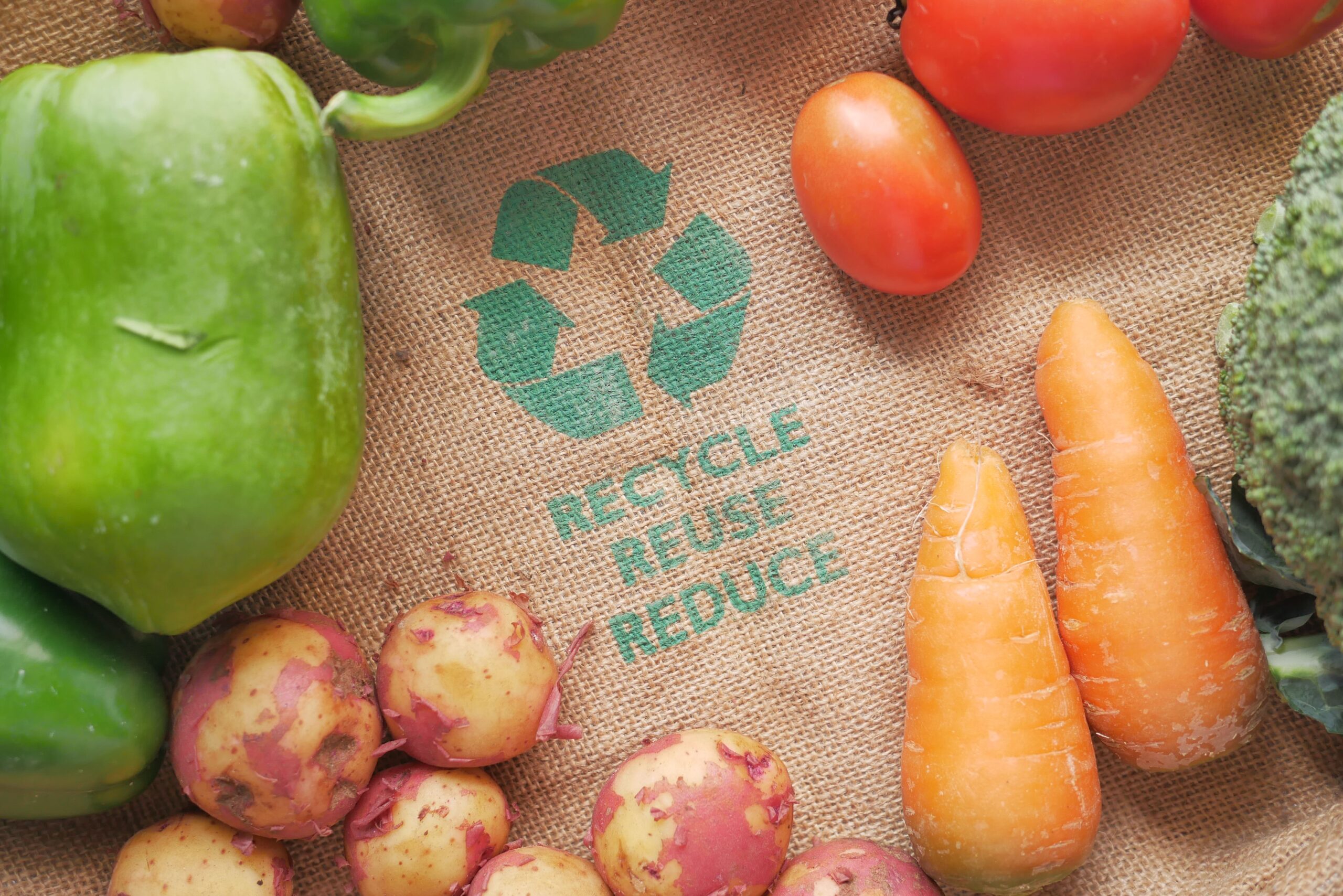
Transform Your Diet with Eco-Friendly Sustainable Food Choices
Embarking on a journey towards a more sustainable lifestyle doesn’t just mean recycling or turning off lights when they’re not in use. One of the most impactful ways to promote environmental health is by transforming our diets to be more eco-friendly. This change not only helps the planet but also benefits our health and supports local economies. Let’s dive into how making sustainable food choices can be a game-changer for both the environment and your health.
Understanding Sustainable Eating
What is Sustainable Eating?
Sustainable eating refers to choosing foods that are healthful to our environment and our bodies. It involves selecting food sources that minimize harm to the environment and enhance the social and economic benefits of our food system. Such practices include buying locally grown foods, opting for organic and fair-trade certified products, and reducing food waste.
Why Does Sustainable Eating Matter?
Every food choice we make has an environmental impact. For example, conventional farming practices often involve high levels of pesticide use, which can harm wildlife, water supplies, and even the farm workers. By choosing sustainable products, we reduce these harmful impacts. Additionally, sustainable eating supports local farmers, reduces greenhouse gas emissions from transportation, and promotes biodiversity.
Making Eco-Friendly Food Choices
1. Buy Local and Seasonal
One of the simplest ways to start eating sustainably is to buy local and seasonal foods. Foods grown locally are fresher, tastier, and have a smaller carbon footprint as they don’t need to be transported long distances. Visit your local farmers’ markets or consider joining a community-supported agriculture (CSA) group.
2. Choose Organic When Possible
Organic foods are grown without synthetic pesticides, genetically modified organisms (GMOs), and other artificial chemicals. While organic food can sometimes be more expensive, it’s worth considering for the benefits it offers to your health and the environment. Many stores now offer organic options, so they’re becoming more accessible.
3. Reduce Meat Consumption
The production of meat, especially beef and lamb, has a high environmental footprint, requiring large amounts of water and land, and generating significant greenhouse gases. Reducing your meat consumption can have a big impact on your carbon footprint. Try incorporating “Meatless Mondays” into your week or explore plant-based protein options like lentils, beans, and tofu.
4. Avoid Over-Packaged Products
Excess packaging, especially plastic, is a significant environmental issue. Opt for products with minimal or sustainable packaging to reduce waste. Bringing reusable bags to the store and buying in bulk are easy ways to start.
5. Plan and Reduce Food Waste
Around 30-40% of the food supply in the U.S. is wasted each year. Reducing food waste is crucial for sustainable eating. You can start by planning meals ahead, buying only what you need, storing food properly, and being creative with leftovers.
Benefits of Switching to a Sustainable Diet
Health Benefits
Eating a diet rich in organic fruits and vegetables, less meat, and more whole grains can lead to improved health outcomes, such as reduced risk of chronic diseases and better overall health. Moreover, organic foods are often free from harmful chemicals and preservatives, which helps in maintaining a cleaner diet.
Environmental Benefits
By adopting sustainable eating habits, you contribute to reduced deforestation, lesser water body pollution, lower air pollution, and decreased greenhouse gas emissions. Each sustainable choice helps in protecting the environment for future generations.
Economic Benefits
Supporting local businesses keeps money within the community and helps build stronger local economies. Small farm operations often provide a fairer income for their workers and can encourage community development.
Getting Started with Your Sustainable Diet
Starting your journey toward sustainable eating doesn’t have to be daunting. Here are a few simple steps:
- Begin by incorporating one or two meat-free meals per week.
- Gradually increase your purchase of organic and locally produced foods.
- Educate yourself about seasonal produce in your area and base your meals around them.
- Get involved in your community, perhaps by attending local food fairs or joining a local gardening club.
Changing your diet to include more sustainable choices is a powerful way to impact the world positively. Not only does it promote a healthier lifestyle, but it also encourages a more environmentally and economically viable food system. Every small change in your diet can lead to a big difference globally. Start making a difference today with these sustainable food choices!