Why Renewable Energy is Important for a Sustainable Future: A Deep Dive
In an era where climate change and environmental sustainability are pushing to the forefront of global discussions, the shift towards renewable energy sources has become more vital than ever. This article explores why renewable energy is crucial for a sustainable future, discussing its benefits, addressing common questions, and providing examples that illustrate its positive impact on our planet and daily lives.
The Basics of Renewable Energy
Before diving deeper, let’s define what renewable energy is. Renewable energy comes from natural resources that are constantly replenished such as sunlight, wind, water, and geothermal heat. These sources are in stark contrast to fossil fuels like coal, oil, and natural gas, which once used, take millions of years to form again.
Common Types of Renewable Energy
- Solar Energy: Generated by converting sunlight into electricity using solar panels.
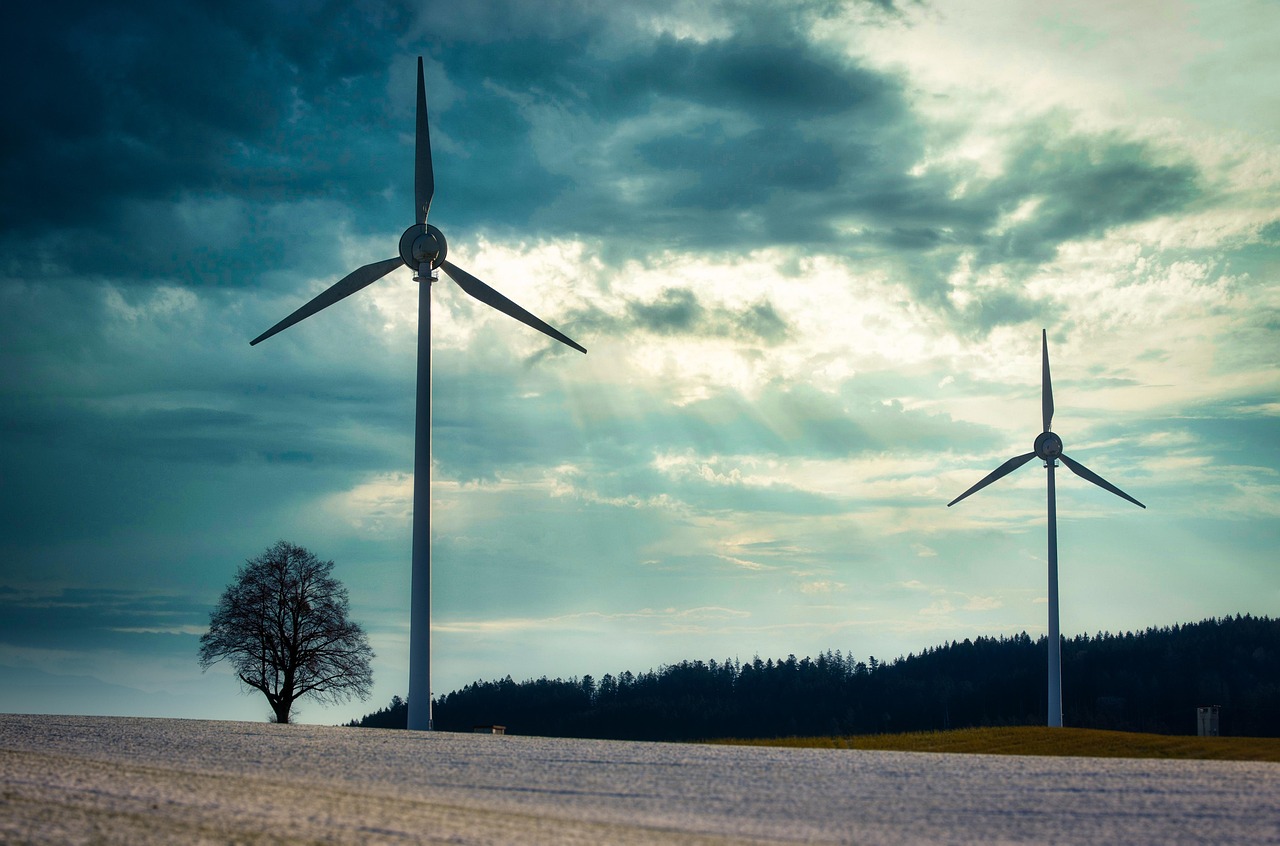
- Wind Energy: Produced through wind turbines that convert wind into electricity.
- Hydropower: Created by harnessing the power of water flow to generate electricity.
- Geothermal Energy: Derived from the heat below the earth’s surface to produce electricity.
- Biomass: Comes from organic materials like plants and animal waste to produce energy.
Why is Renewable Energy Important?
Renewable energy isn’t just a tool for generating electricity—it’s a pathway to a sustainable and prosperous future. Here’s why:
1. Environmental Benefits
Renewable energy sources significantly reduce pollutants and greenhouse gases—a primary cause of climate change—since they emit little to no greenhouse gases and pollutants into the atmosphere. This can result in improved air quality and a reduction in carbon emissions, directly benefitting the health of our planet.
2. Economic Advantages
Investing in renewable energy technologies also spurs economic growth. It creates jobs in manufacturing, installation, and more throughout the industry. Renewable energy projects often require labor, which can help boost local economies, particularly in rural areas.
3. Energy Security
By diversifying energy supply and reducing dependence on imported fuels, countries can protect and increase their energy security as well as decrease their vulnerability to foreign energy supply disruptions.
Addressing Common Questions
Is Renewable Energy Reliable?
Many wonder whether renewable sources can provide stable energy. While solar and wind energy depend on certain weather conditions, advances in energy storage and grid technologies have made renewable energy increasingly reliable and efficient. Energy can now be stored during periods of excess production and released when production drops or demand increases.
Can Renewable Energy Power the Whole World?
Technologically and theoretically, yes. Studies such as those conducted by Stanford University suggest that the entire world’s energy needs could be met with renewable sources by 2030 through a combination of energy efficiency and renewable generation.
How Does Renewable Energy Affect Jobs?
Transitioning to renewable energy is not only good for the environment but also for the economy. It generates new job opportunities, often at rates higher than those in the fossil fuel sector, including jobs in technology, manufacturing, and engineering fields.
Actionable Steps You Can Take
Understanding the impact and importance of renewable energy is the first step. Here’s how you can contribute to this necessary shift:
1. Educate Yourself and Others
Stay informed about renewable energy and environmental issues. Share your knowledge with friends, family, and through social media spread the word.
2. Support Green Policies and Companies
Vote for and support policies and leaders that prioritize renewable energy development. Choose to do business with companies committed to sustainable practices.
3. Consider Renewable Energy Solutions for Home
Look into installing solar panels, or switching to a green power supplier that sources electricity from renewable resources. Small changes can make a substantial overall difference.
Concluding Thoughts
Renewable energy stands at the forefront of addressing global warming and promoting a healthier, more sustainable future. By investing and supporting this shift, not only do we contribute to protecting the environment, but we also help usher in a wave of economic benefits and strengthen energy security. The transition to renewable energy isn’t just a necessity—it’s an opportunity to build a more resilient and sustainable world for generations to come.