Unlocking the Future: Exploring the Best Sources of Renewable Energy
As we step forward into a world increasingly aware of environmental issues, the quest for sustainable power solutions becomes more urgent. Renewable energy sources are key players in this quest, offering a blend of environmental sustainability and technological innovation. Let’s dive deep into the best renewable energy sources that not only promise a greener future but also are reshaping how we power our daily lives.
What is Renewable Energy?
Renewable energy comes from natural sources or processes that are constantly replenished. Unlike fossil fuels, such as coal and oil, renewable sources like sun, wind, and water can provide energy without the threat of depletion. Engaging with these energy sources reduces greenhouse gas emissions, a major factor in climate change.
Top Renewable Energy Sources
Each source of renewable energy comes with unique advantages and potential applications. We’ll explore some leading sources that are not only promising but also practical for widespread use.
Solar Power
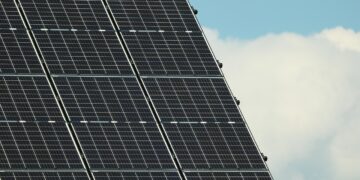
Solar energy is harvested by converting sunlight directly into electricity using solar panels. It is one of the most accessible sources of renewable energy. Households and businesses alike can install solar panels on their rooftops, benefiting from reduced electricity bills and lower carbon footprints. Larger-scale solar farms are also becoming a common sight in many regions, capable of powering thousands of homes.
Wind Energy
Wind energy is generated by converting the kinetic energy from wind into electrical power. Wind turbines are the most common technology used in this process. Ranging from small personal turbines to massive offshore wind farms, this energy source is remarkably efficient and increasingly cost-effective thanks to technological advancements and greater adoption rates.
Hydropower
Derived from the energy of moving water, hydropower is one of the oldest and most mature sources of renewable energy. Modern hydropower plants not only produce electricity but also provide water storage for irrigation and municipal use. Though installing new hydroelectric facilities can be environmentally disruptive, upgrading existing dams and water infrastructure can enhance energy output without additional environmental impact.
Geothermal Energy
Geothermal energy harnesses heat from beneath the earth’s surface. Utilizing steam that comes from the hot water reservoirs deep in the earth, it can power turbines which then generate electricity. This source is particularly potent in volcanic areas or regions with a lot of geothermal activity, such as Iceland and parts of New Zealand.
Biomass Energy
Biomass involves converting organic materials such as plants, wood, and waste into energy. Technologies can produce heat, electricity, or even fuel for transportation from biomass. It plays a crucial role in managing waste materials, though it must be used thoughtfully to ensure it actually offers a reduction in carbon emissions.
Benefits of Renewable Energy
The shift to renewable energy brings several impactful benefits:
- Environmental Conservation: Reduces dependence on fossil fuels, lowering greenhouse gas emissions and reducing ecological footprint.
- Energy Security: Diversity in energy sources enhances national security and resilience against geopolitical issues associated with fossil fuels.
- Economic Benefits: Creates jobs in new and emerging industries while decreasing the cost of energy over time.
- Health Improvements: Decreases pollution, resulting in better air quality and public health conditions.
Integrating Renewable Energy in Daily Life
Embracing renewable energy isn’t just for governments and large organizations; individuals can play a significant part too:
- Install Solar Panels: Consider installing solar panels on your home. Many areas offer financial incentives for solar panel installation.
- Choose Green Energy: When available, opt into green energy programs through your local utility provider, which use renewables as their source.
- Support Sustainable Practices: Support businesses and products that prioritize renewable resources.
- Educate and Advocate: Learn more about renewable energy and share this knowledge. Advocacy can drive community and governmental initiatives.
Final Thoughts: The Clean Energy Revolution
The trajectory toward renewable energy is not just inevitable; it is imperative for environmental sustainability and economic vitality. By understanding and investing in these technologies, we can unlock countless benefits ranging from ecological conservation to enhanced national security. The journey of exploring and utilizing these power sources is a collective venture where everyone’s participation counts. Together, we can charge towards a brighter, cleaner future, powered renewably and sustainably.