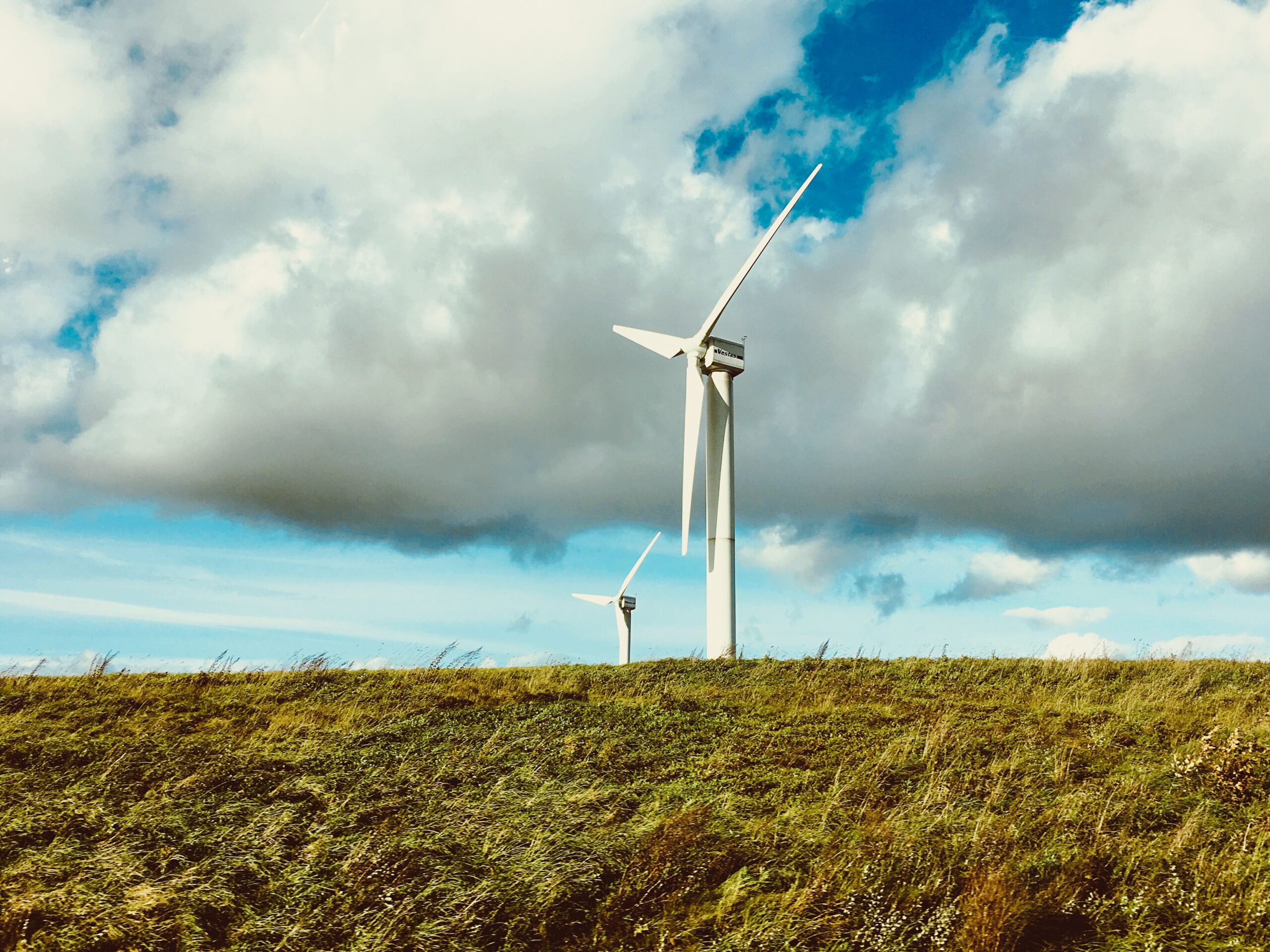
Unlocking the Potential of Small Scale Wind Energy: A Sustainable Revolution
Amidst increasing concerns over climate change and the insatiable demand for energy, the spotlight has shifted towards renewable energy sources. Among these, wind energy emerges as a beacon of sustainability and efficiency. While large wind farms are familiar sights for many, small-scale wind energy systems are gaining traction as a viable solution for individual and community-level power needs. These smaller systems offer a golden opportunity to harness the power of wind in a more localized and personal manner, effectively contributing to a greener planet.
Understanding Small Scale Wind Energy
What is Small Scale Wind Energy?
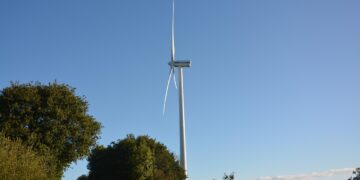
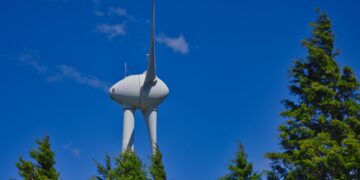
Small scale wind energy involves the use of compact wind turbines to generate electricity. Unlike their gigantic counterparts that power entire cities, these mini turbines are designed for individual homes, small businesses, farms, or small community projects. Typically, these turbines have a capacity of under 100 kW, making them perfect for use in off-grid or hybrid settings as well as grid-connected applications.
How Does it Work?
Small wind turbines convert the kinetic energy from wind into electrical energy. This process begins when wind moves the turbine’s blades, which spin a shaft connected to a generator. The generator then produces electricity that can either be used immediately, stored in batteries, or fed into the electricity grid.
Benefits of Small Scale Wind Energy
Adopting small-scale wind energy comes with a plethora of benefits that extend beyond just reducing carbon footprints. Here’s how these systems are making a difference:
Eco-Friendly Energy Production
Wind energy is clean, which means it generates electricity without emitting harmful pollutants or greenhouse gases. This characteristic is crucial in fighting global warming and promoting air quality.
Energy Independence
By generating their own power, individuals and communities can reduce their reliance on large utility companies and fossil fuels. This independence not only helps in reducing energy bills but also shields users from the volatility of traditional energy markets.
Cost-Effective in the Long Run
Though the initial set up costs can be relatively high, small wind turbines can lead to significant savings in energy costs over time. Many regions also offer incentives such as rebates or tax credits, making the installation of wind turbines financially appealing.
Implementing Small Scale Wind Energy
Is My Location Suitable?
The efficiency of a wind turbine largely depends on your location’s wind speed. Ideal sites for small wind turbines are typically rural or semi-rural areas, open fields, or hilltops where structures do not obstruct wind flow. Tools and resources like wind maps and anemometers can help determine the wind resource availability in your area.
Choosing the Right Turbine
Several factors determine the best turbine for your needs, including wind speed, available space, and energy requirements. Researching different models and consulting with professionals can ensure that you choose a turbine that matches your specific situation.
Regulations and Permissions
Before installation, it’s essential to check local zoning regulations and acquire necessary permits. Understanding these legalities can prevent future complications and help in smooth planning and implementation.
Real-Life Success Stories
Incorporating anecdotes and testimonials from individuals and communities that have successfully adopted small-scale wind energy can inspire others. For instance, a rural school district in Texas installed a small wind turbine that supplies power to their buildings and sells excess power back to the grid, demonstrating both environmental and economic benefits.
Making the Switch to Wind Energy
Transitioning to wind energy requires careful consideration and planning. Start by assessing your energy needs, understanding the wind resource, and exploring funding options. Reach out to local experts or wind energy associations for guidance and support and consider the long-term benefits over initial costs.
Conclusion: Powering the Future
Small scale wind energy holds immense potential in contributing to a sustainable energy future. By understanding and overcoming the barriers to adopting these systems, individuals and communities can participate in a critical movement towards environmental sustainability. Embrace this renewable solution and be part of the sustainable revolution.