Unveiling the Environmental Impact of Plastic: What You Need to Know
Plastic plays a significant role in daily life, from packaging our foods to manufacturing our cars. However, its convenience comes at a substantial ecological cost. This article explores the environmental impact of plastic, provides insights into its influence on ecosystems, and shares actionable tips to mitigate its effects.
Understanding the Scale of Plastic Pollution
Every year, billions of tons of plastic are produced globally, with a significant portion ending up in our oceans, soil, and even the air we breathe. The durability of plastic, which makes it so useful, also makes it incredibly harmful when discarded carelessly.
The Journey of Plastic Waste
Once plastic waste is discarded, it doesn’t simply disappear. It breaks down into smaller pieces, known as microplastics, which are difficult to manage. These microplastics can travel through waterways into the ocean, be ingested by wildlife, and even enter our food chain.
Impact on Wildlife and Ecosystems
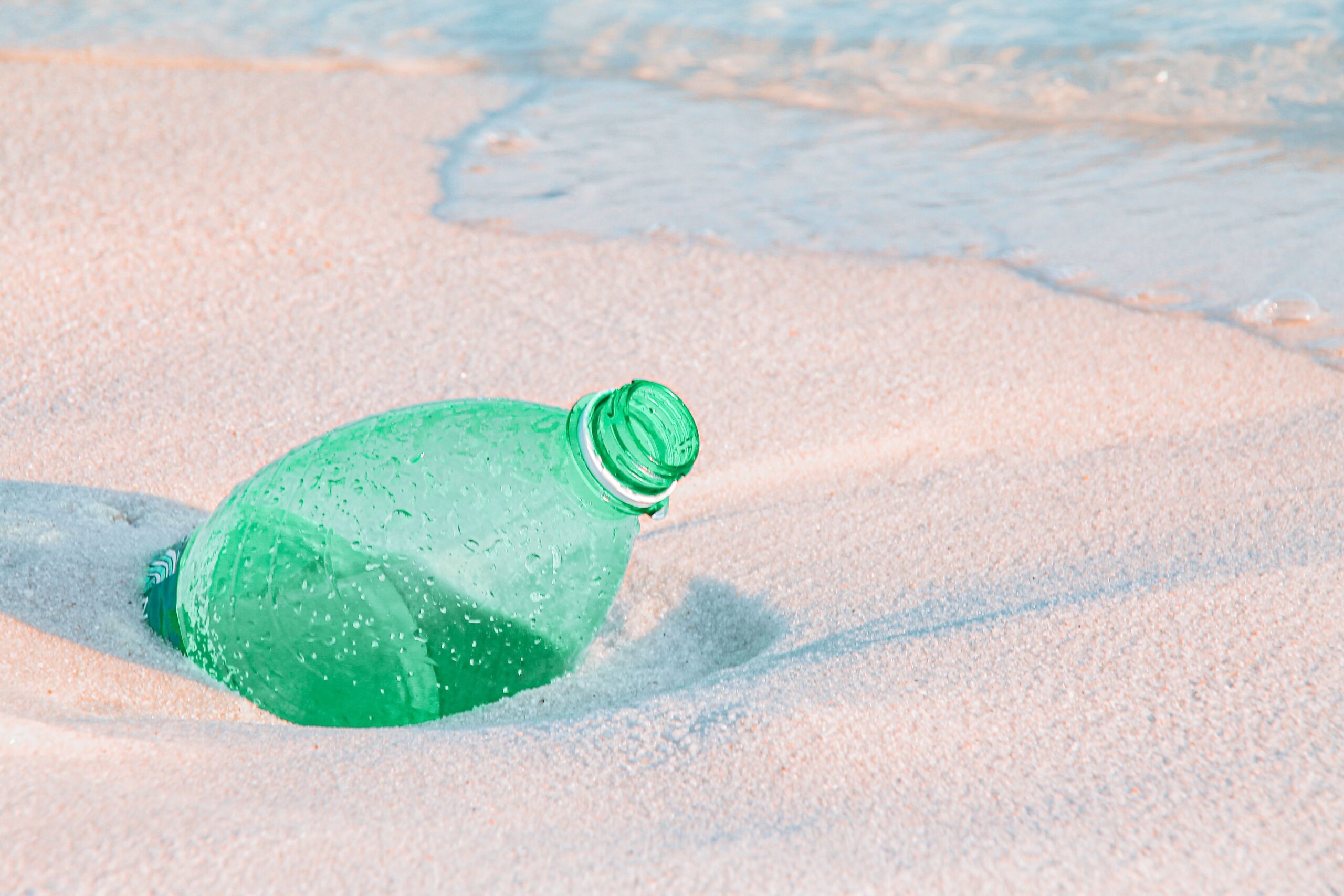
The picturesque image of a clear blue ocean is often marred by the reality of plastic pollution. Marine animals, such as turtles, seabirds, and fish, can mistake plastic items for food. Ingesting these materials can be fatal or cause severe distress to these creatures.
Case Studies of Affects on Animals
For instance, albatrosses, known for their vast wingspans, are often found to have stomachs full of plastic, which they mistake for food. This ingestion can lead to starvation or poisoning from the toxins in plastics.
The Chemical Threat of Plastics
Beyond the physical presence of plastics, they also pose chemical threats. Many plastics release harmful chemicals, such as bisphenol A (BPA) and phthalates, which have been linked to health problems in humans and animals alike.
Examples of Chemical Effects
In water bodies, chemicals from plastics can disrupt the hormonal systems of aquatic life, leading to reproductive issues and even population declines in affected species.
Reducing Your Plastic Footprint
Confronting the global crisis of plastic pollution may seem daunting, but individual actions can lead to collective environmental benefits. Here are simple, practical ways you can help reduce the impact of plastics.
Everyday Actions to Minimize Plastic Use
- Choose Reusable over Disposable: Opt for reusable bags, bottles, and containers to decrease reliance on single-use plastics.
- Support Legislation: Support policies and regulations that aim to reduce plastic production and consumption.
- Recycle Properly: Educate yourself on proper recycling techniques to ensure plastics don’t end up in landfills or oceans.
Frequently Asked Questions
Why is plastic harmful to the environment?
Plastic is harmful because it doesn’t biodegrade effectively. This results in long-lasting pollution that impacts wildlife and human health.
Can recycling plastics solve the pollution problem?
While recycling can help reduce the amount of waste, it’s not a complete solution. Reducing the production and consumption of plastic is equally vital.
How can schools and communities get involved?
Schools can implement educational programs about recycling and reducing plastic use, while communities can organize clean-up drives and advocate for local plastic bans.
Conclusions and Moving Forward
Understanding the devastating impact of plastics on the environment is just the first step. Taking action, both small and large, is crucial in making a difference. By making informed choices about plastic use and supporting broader legislative initiatives, everyone can contribute to a healthier, plastic-free environment.
It’s clear that the journey towards reducing plastic pollution starts with awareness and ends with action. Let’s choose a path that leaves a positive legacy for future generations.