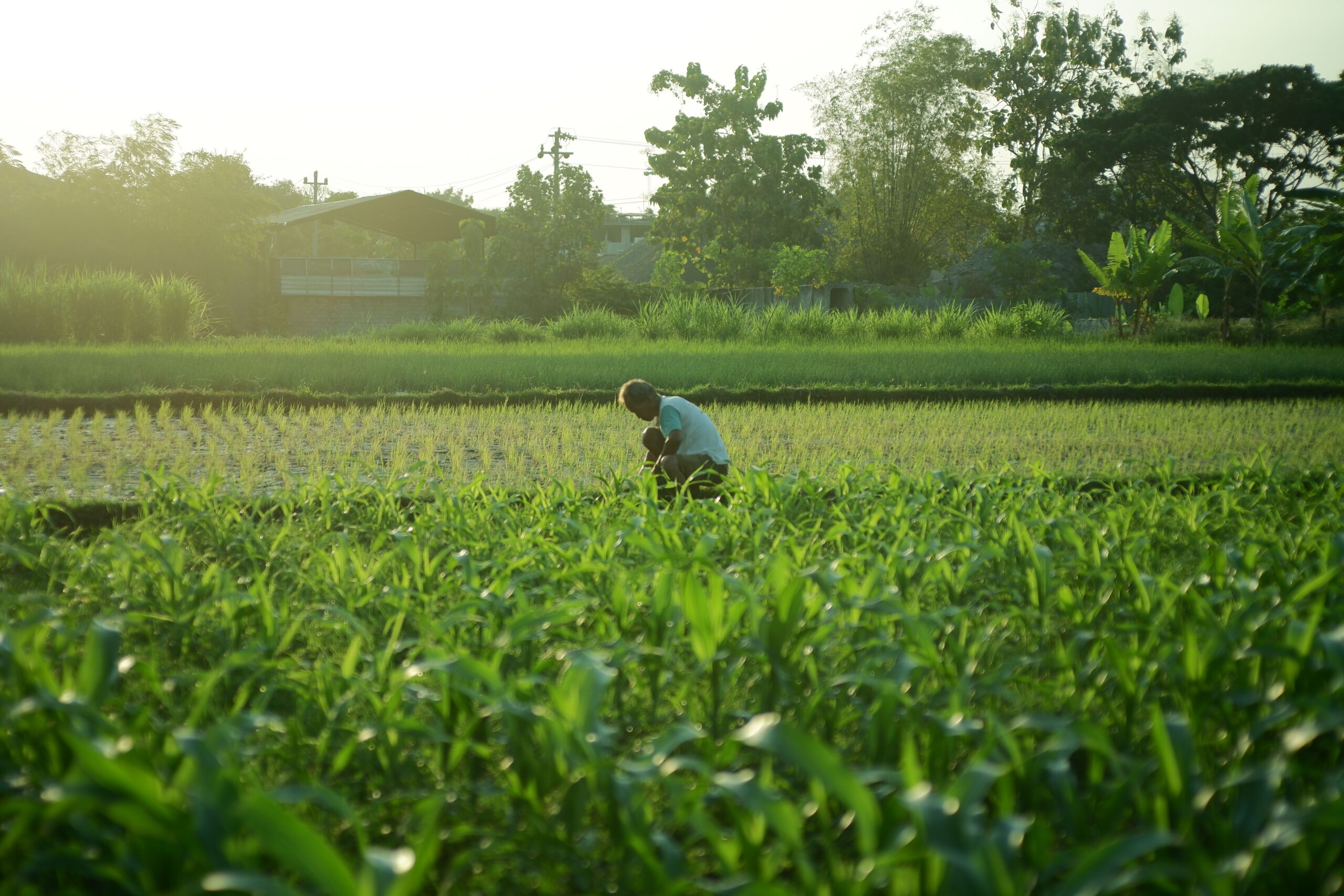
Thriving Crops in Warming Worlds: Innovations in Agriculture and Climate Change
As climates shift globally, agricultural practices are evolving to keep pace. This article explores the transformative strategies that farmers, scientists, and industry stakeholders are implementing to ensure sustainable crop production in the face of warming temperatures.
The Impact of Climate Change on Agriculture
Climate change is more than just a rise in temperatures; it alters precipitation patterns, extends growing seasons, and increases the frequency of extreme weather events. These changes challenge traditional farming practices and threaten food security globally.
Rising Temperatures and Crop Stress
In warmer conditions, many crops grow faster but mature more quickly, which can reduce their growing season. Heat stress can also lead to poor seed germination, stunted growth, and lower yields. However, innovations in farming practices and technologies are showing promising ways to adapt to these heats.
Changes in Precipitation Patterns
The shift in rain patterns can lead to either excessive soil moisture or severe droughts, each affecting crop health differently. Learning water management, therefore, becomes essential in maintaining productive agriculture in changing climates.
Innovative Agricultural Practices to Combat Climate Change
To meet the challenges posed by a warming climate, new agricultural techniques that promote resilience and sustainability are crucial. Here are some innovations that are making significant strides.
Developing Climate-Resilient Crop Varieties
Scientists are ingeniously breeding crop varieties that can withstand extreme conditions such as drought, heat, and saline soils. For example, drought-tolerant maize varieties have been developed, which use water more efficiently, maintaining productivity even in dry conditions.
Advanced Irrigation Technologies
Technologies such as drip irrigation and soil moisture sensors are optimizing water usage, ensuring that crops receive exactly what they need, minimizing waste, and conserving vital water resources.
Agroforestry and Interplanting Techniques
Integrating trees and shrubs with crop and animal farming, agroforestry systems provide shade and shelter to crops, enhance soil moisture, and help combat erosion. Interplanting, similarly, allows for more efficient use of space and resources while bolstering biodiversity, which improves soil health and resilience against pests.
Supporting Farmers in a Changing Climate
With the right tools and knowledge, farmers can effectively adapt to the uncertainties of climate change. Here’s how different stakeholders are contributing:
Government and Policy Maker Support
By offering subsidies for advanced agricultural equipment or funds for research into climate-resistant crops, governments can play a pivotal role in equipping farmers to deal with climate variability. Policies that incentivize sustainable practices are also critical.
Educational Programs and Resources
Extending knowledge about innovative farming techniques through training sessions, online resources, and community programs helps farmers implement and benefit from these methods. For example, learning about soil health management can lead to better crop yields and enhanced environmental stewardship.
Practical Tips for Farmers
Here are a few actionable steps farmers can take to immediate start adapting their practices:
Invest in Smart Technology
Utilizing smart agriculture technologies, such as precision farming tools and agricultural drones, can help monitor crop health, optimize water use, and enhance crop yields with less environmental impact.
Experiment with Crop Rotation and Diversity
Rotating crops and cultivating a diverse range of plant species can improve soil health, reduce pest cycles, and increase farm resilience against climatic shocks.
Join Agricultural Co-operatives
Being part of a co-operative can provide access to shared resources, collective bargaining power, and a supportive community. This can be invaluable in navigating the challenges of modern farming.
Conclusion: Planting the Seeds of Future Success
Innovative agricultural practices that adapt to climate change are not just beneficial; they are necessary for sustainable food production in our warming world. By embracing these changes, farmers and industry stakeholders can ensure that crops not only survive but thrive regardless of climatic conditions. Let’s continue to support and innovate within agriculture to feed our growing planet.