Unlock a Brighter Future: How to Switch to Solar Power in Your Home
Embracing solar power is a shining step towards a sustainable and cost-effective home. With the growing emphasis on environmental conservation and energy independence, transitioning to solar energy is not only an eco-friendly choice but also a wise investment in the long run. This article will guide you through the essential steps to switch to solar power in your home, ensuring you are well-informed and ready to make the switch.
Understanding the Basics of Solar Power
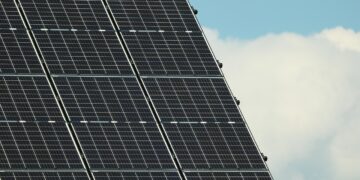
Solar power converts sunlight into electricity using solar panels typically installed on your home’s roof. These panels contain photovoltaic (PV) cells that capture sunlight and convert it into direct current (DC) electricity. An inverter then converts this DC into alternating current (AC) electricity, which powers your home appliances and lighting.
Benefits of Solar Energy
- Cost Savings: Solar power can significantly reduce your electricity bills by fulfilling part or all of your power needs.
- Environmental Impact: Solar energy is clean and renewable, helping reduce carbon footprint and dependency on fossil fuels.
- Increased Home Value: Homes with solar energy systems often enjoy higher market values and attractiveness to buyers.
Steps to Switch to Solar Power
The transition to solar power involves several key steps from initial assessment to installation and maintenance. Here’s how you can navigate the process:
1. Evaluate Your Energy Needs
Begin by assessing your current electricity usage, which you can find on your utility bills. Understanding your household’s energy consumption will help determine the size of the solar system needed.
2. Conduct a Home Energy Audit
A home energy audit can pinpoint areas where you may be losing energy and suggest improvements to make before installing solar panels. This ensures maximum efficiency of your solar power system.
3. Choose the Right Solar Provider
Selecting a reputable solar provider is crucial. Look for companies with strong track records, positive reviews, and necessary certifications. It’s important that they offer comprehensive services including consultation, installation, and after-sales support.
4. Understand Financing Options
Many homeowners find the upfront cost of solar panels daunting. Fortunately, various financing options are available, including leases, loans, and Power Purchase Agreements (PPAs). Some local governments also offer incentives like rebates or tax credits to reduce the financial burden.
5. Get a Site Assessment and Install Solar Panels
Your solar provider will perform a detailed assessment of your home to decide the best placement for maximum sunlight exposure. Following this, the installation of the solar panels, along with necessary electrical systems and a meter for net metering, if applicable, will be completed.
6. Maintenance and Monitoring
While solar systems require minimal maintenance, regular checks will ensure they are operating smoothly and efficiently. Most solar providers offer monitoring systems that allow you to track your system’s performance and energy production.
Frequently Asked Questions
How long do solar panels last?
Solar panels typically have a life expectancy of 25 to 30 years. They are designed to withstand harsh weather conditions, ensuring durability and long-term benefits.
Will solar panels work on cloudy days?
Yes, solar panels can still generate power on cloudy days, though the output may be lower than on sunny days. The exact impact depends on the density and coverage of the clouds.
Can I go off-grid with solar panels?
Going off-grid is possible but requires a significant number of solar panels and a substantial battery storage system to manage your energy needs without reliance on the utility grid.
Embracing a Sunny Outlook
Switching to solar power in your home not only contributes to a greener earth but also offers long-term financial benefits. By understanding the basics, analyzing your energy needs, and following the steps outlined, you can confidently move towards a brighter, more sustainable future. Remember, the sun is a powerful source of energy, and harnessing its power is one of the smartest decisions you can make for your home and the environment.